
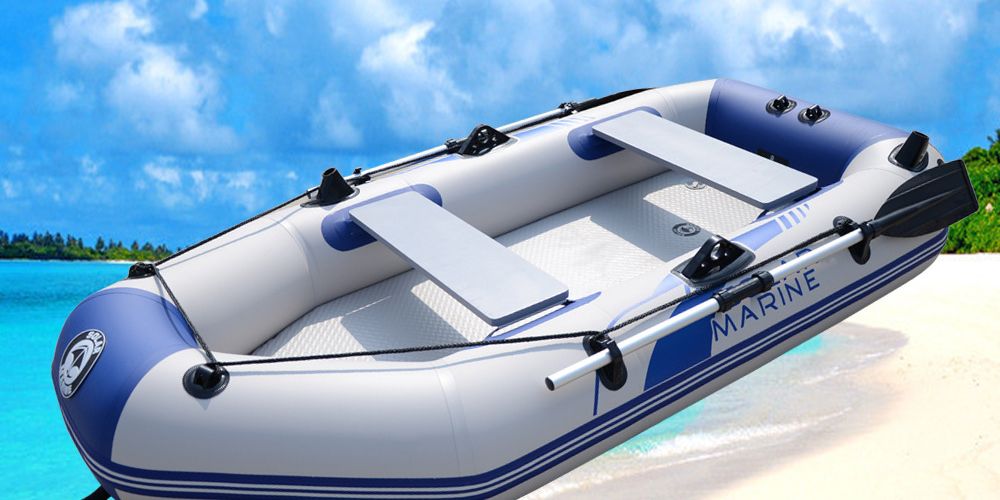
The main structure of inflatable water boats (such as inflatable boats and drift boats) mostly adopts PVC-containing materials, and its heat sealing process needs to meet core requirements such as air tightness, tensile strength and weather resistance.
I. Principle of Heat Sealing Technology: High-frequency dielectric heating is the mainstream
The heat sealing of inflatable water boats mainly relies on high-frequency dielectric heating technology, and its principle is as follows:
High-frequency electromagnetic field excitation: An alternating electromagnetic field is generated through a high-frequency generator (typically with a frequency of 27.12MHz or 40.68MHz), causing the polar groups in PVC molecules to oscillate at high speed (millions of times per second).
Molecular frictional heat generation: Oscillation causes intense friction between molecules, converting electrical energy into thermal energy, causing PVC to melt within 0.5 to 3 seconds, with a temperature reaching 150 to 220 degrees Celsius.
Precise control of welding: By adjusting power (15-75kW), pressure (0.1-5MPa), and time (0.5-3 seconds), a balance between welding strength and material adaptability is achieved.
Technical advantages
Penetrating heating: It can weld PVC film materials with a thickness of 0.1 to 5mm, ensuring simultaneous melting of the inside and outside.
Energy concentration: The heating power per unit area reaches 10-30kW/cm ³ / sup ². The efficiency is 5 to 8 times higher than that of traditional heat conduction.
Material compatibility: Applicable to pure PVC, PVC/PU composite films and mixed materials containing more than 20% PVC.
Ii. Typical Types of Heat Sealing Equipment
According to the specifications and production requirements of inflatable water boats, heat sealing equipment can be classified into the following three categories:
1. High-frequency heat sealing machine (high-frequency machine)
Application scenarios: Welding of PVC membrane materials for small inflatable boats, rafting boats, inflatable beds, etc.
Technical features
Vacuum tube output: Stable power, adjustable output time from 1 to 10 seconds.
Spark protection system: Highly sensitive spark protection device with a sensitivity of 0.1ms, preventing mold damage.
Pressure regulation: Pneumatic or hydraulic systems provide pressure ranging from 0.1 to 400KGS, adapting to membrane materials of different thicknesses.
Typical equipment
Puxiong high-frequency G-type heat sealing machine: Power 15kW, suitable for small area welding of inflatable boats, life jackets, etc.
Puxiong high-power drift boat high-frequency machine: Four-column gantry design, supporting continuous welding of large inflatable boats.
2. Rail-mounted automatic heat sealing machine
Application scenarios: Long-distance welding requirements for large inflatable boats, membrane structure buildings, etc.
Technical features
Servo motor drive: The welding head moves automatically along the track, with a speed adjustable from 1 to 7 meters per minute.
Closed-loop feedback control: Parameters are adjusted in real time through an infrared thermometer (with an accuracy of ±2℃) and a pressure sensor to ensure the stability of welding quality.
Multi-scenario adaptation: Supports straight line, arc and 3D curved surface welding, with a daily welding volume of up to 800 square meters.
Typical equipment
Puxiong Professional heat sealing Equipment: In aerospace engineering, it achieves welding of 200-meter ultra-long tracks, with joint air tightness ≤0.3L/(m&sup ²). ·h)."
.jpg)
In the construction field, the heat-sealing production methods for different new membrane materials vary depending on…
.jpg)
In the construction field, the heat-sealing of PVDF membrane materials is mainly achieved through processes such…
.jpg)
Due to its unique molecular structure and excellent overall performance, PVDF (polyvinylidene fluoride) membrane material is…
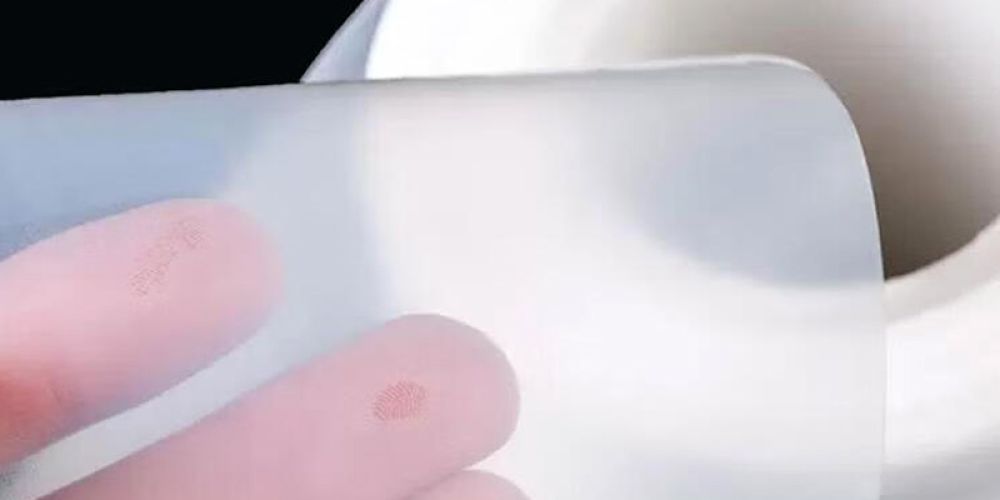
Chemical Inertness: Virtually unreactive with almost all chemical substances; resistant to acids, alkalis, and organic solvents…
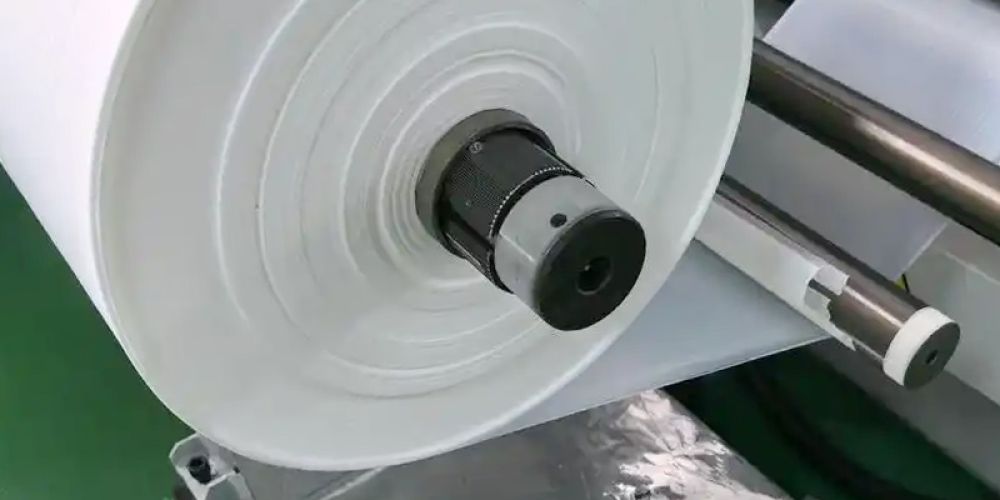
PTFE (polytetrafluoroethylene) film is a high-performance engineering plastic film renowned for its excellent chemical stability, high-temperature…
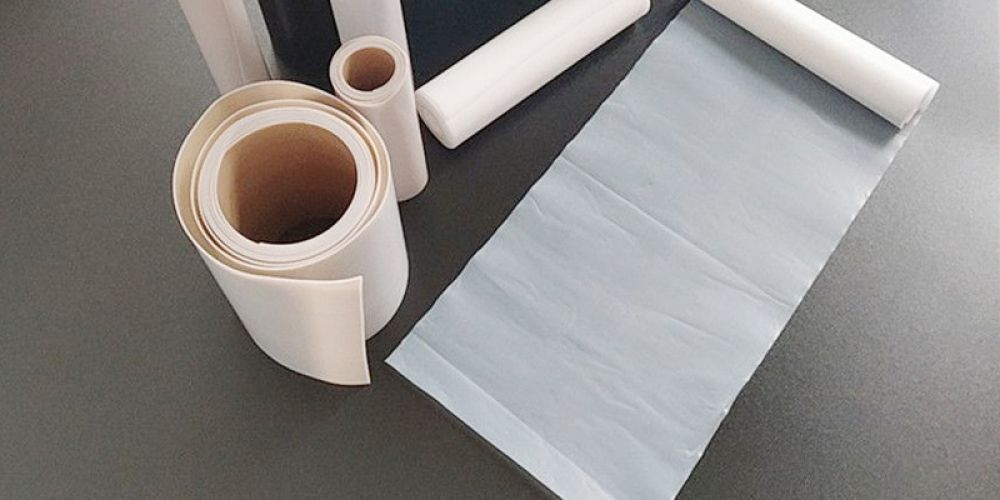
Microporous Structure Porosity exceeds 85%, with 1.4 billion micropores per square centimeter and pore sizes ranging…