
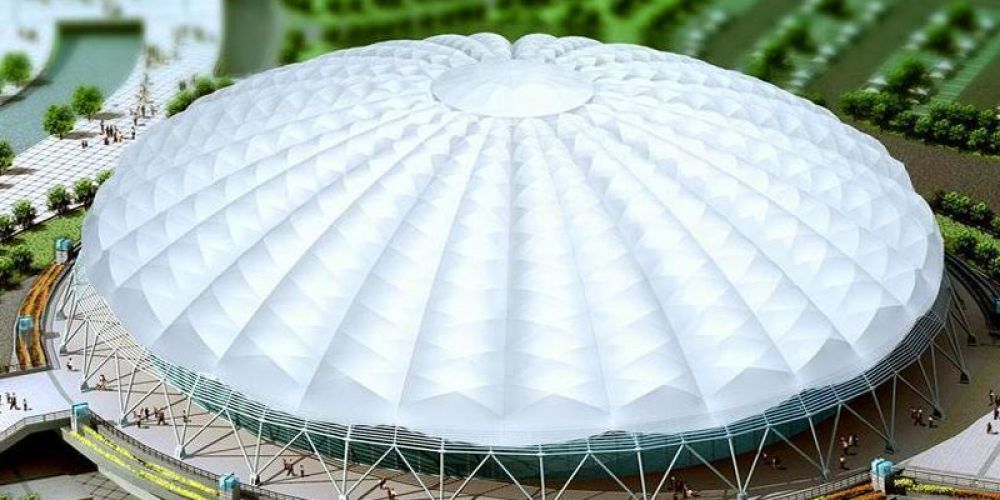
In the field of construction, heat sealers have become the core equipment to promote material innovation and structural upgrades, and their application scenarios cover multiple dimensions from large public buildings to environmental protection projects. Through high-frequency vibration, hot air welding and other technologies, heat sealers achieve efficient sealing and structural strengthening of membrane materials, waterproof rolls, thermal insulation materials, etc., redefining the performance boundaries of modern buildings.
1. Membrane structure buildings: "invisible skeletons" from stadiums to temporary facilities
Membrane structure buildings are known for their lightweight, high strength and artistic shape, and heat sealers are key equipment to achieve their structural integrity. Taking the high-frequency membrane structure welding machine as an example, it uses a high-frequency electric field to polarize and heat the molecules of polyester fiber base fabrics or PVC/PVDF coated fabrics to achieve seamless splicing. This technology has three major advantages:
Millimeter-level precision control: Using PLC human-machine interface and servo drive system, the welding speed reaches 5-10 meters per minute, and the seam flatness error is less than 0.1mm, which meets the stringent requirements of large stadiums, airport terminals and other scenes.
Cross-material compatibility: By changing the mold size, it can adapt to different materials such as ETFE membrane, PTFE membrane, space membrane, and even realize double-layer or multi-layer continuous knife-joining process to improve the durability of the structure.
Safety protection system: The built-in flower protection system and European square high-frequency oscillation box prevent mold damage while ensuring welding stability, extending the life of the membrane structure to 12-50 years.
Typical case: Beijing's "Bird's Nest" National Stadium uses high-frequency heat sealing technology to splice ETFE membrane structure to achieve a dynamic balance between light transmittance and thermal insulation performance; Shanghai Disney's "Storm Bay" Theater successfully resists the test of a 12-level typhoon through the PTFE membrane material processed by the heat sealing machine.
2. Waterproofing project: "Seamless shield" from roof to basement
In the field of building waterproofing, the heat sealing machine achieves molecular-level sealing of waterproof membranes through hot air welding or high-frequency welding technology, which completely solves the problem of easy aging and leakage of traditional adhesive processes. Its technological breakthroughs include:
Breakthrough in air tightness level: Taking PVC waterproofing membrane as an example, heat-sealing welding increases the strength of the joint by 40%, and the air tightness reaches the IP68 standard, which is 3 times longer than the adhesive process.
Adaptation to complex structures: Through customized molds, the heat-sealing machine can complete the seamless welding of special-shaped nodes such as yin and yang corners and through-wall pipes, reducing the risk of leakage by more than 90%.
Improved construction efficiency: Automated heat-sealing equipment can achieve a welding area of 5,000 square meters per day, which is 10 times more efficient than manual gluing, while reducing labor costs by 40%.
Industry data: Statistics from the China Building Waterproof Association show that the leakage rate of construction projects using heat-sealing technology has dropped from 15% to below 2%, and the maintenance cost has been reduced by 60%.
.jpg)
In the construction field, the heat-sealing production methods for different new membrane materials vary depending on…
.jpg)
In the construction field, the heat-sealing of PVDF membrane materials is mainly achieved through processes such…
.jpg)
Due to its unique molecular structure and excellent overall performance, PVDF (polyvinylidene fluoride) membrane material is…
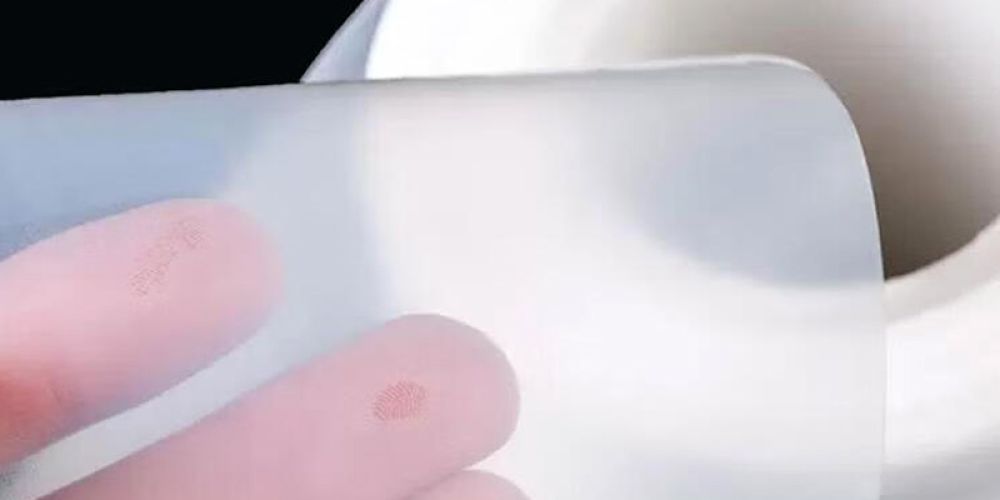
Chemical Inertness: Virtually unreactive with almost all chemical substances; resistant to acids, alkalis, and organic solvents…
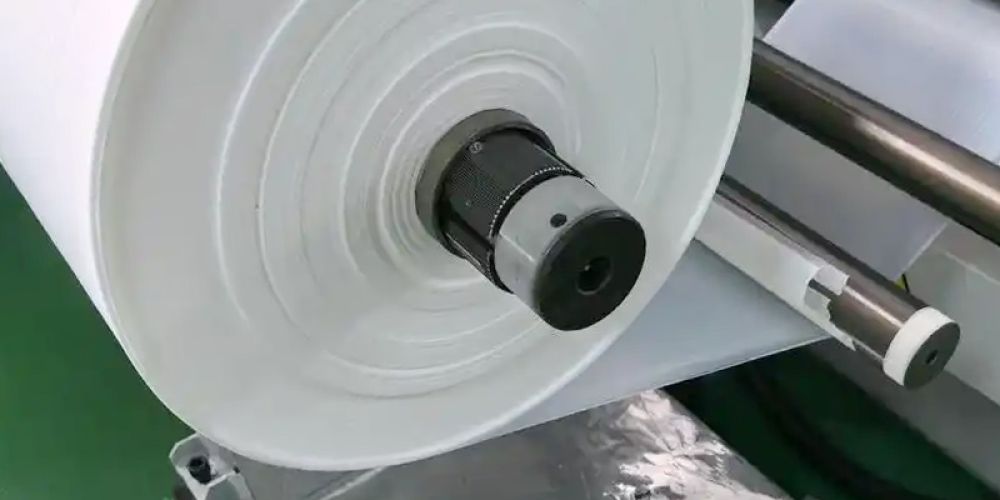
PTFE (polytetrafluoroethylene) film is a high-performance engineering plastic film renowned for its excellent chemical stability, high-temperature…
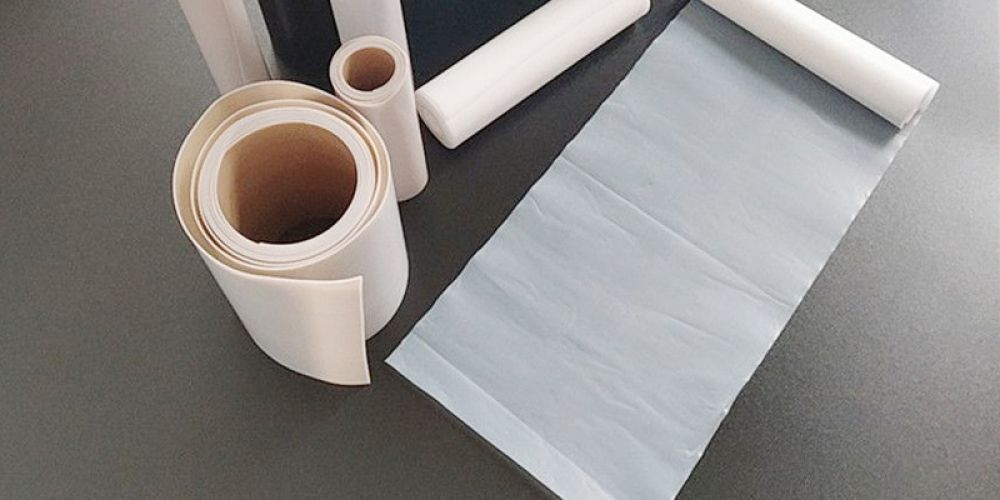
Microporous Structure Porosity exceeds 85%, with 1.4 billion micropores per square centimeter and pore sizes ranging…