
.jpg)
Heat Sealing Machines: Redefining the Processing Boundaries of Membrane Materials
As membrane materials transition from laboratory research to large-scale applications, heat sealing machines—as critical process equipment—are reshaping the processing capabilities of membranes through core technologies such as high-frequency vibration and intelligent control. Their applications span over a dozen industries, including construction, new energy, healthcare, and logistics, serving as an "invisible engine" driving the upgrade of the membrane materials industry.
I. Architectural Membrane Structures: From the Bird's Nest to Canopies, Heat Sealers Define Spatial Aesthetics
In construction, membrane structures are renowned for their lightweight design, high strength, and artistic forms. Heat sealing machines ensure structural integrity. For instance, high-frequency (HF) membrane welding equipment uses electric fields to polarize molecular structures in polyester fiber substrates or PVC/PVDF-coated fabrics, enabling seamless bonding. Key technical advantages include:
Millimeter-Level Precision Control:
Cross-Material Compatibility:
Safety Protection Systems:
Case Studies:
II. New Energy & Environmental Protection: Heat Sealing Technology Powers Sealing Revolution
In new energy applications, membrane sealing directly determines device longevity and safety. Heat sealers provide critical support through molecular-level welding:
Hydrogen PEM Membranes:
Lithium Battery Separators:
Environmental Innovations:
Data Highlights:
.jpg)
In the construction field, the heat-sealing production methods for different new membrane materials vary depending on…
.jpg)
In the construction field, the heat-sealing of PVDF membrane materials is mainly achieved through processes such…
.jpg)
Due to its unique molecular structure and excellent overall performance, PVDF (polyvinylidene fluoride) membrane material is…
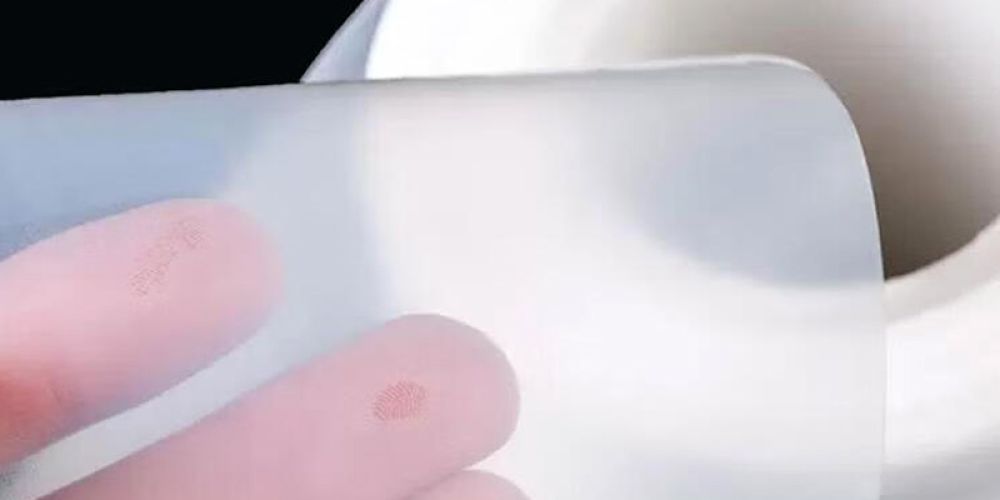
Chemical Inertness: Virtually unreactive with almost all chemical substances; resistant to acids, alkalis, and organic solvents…
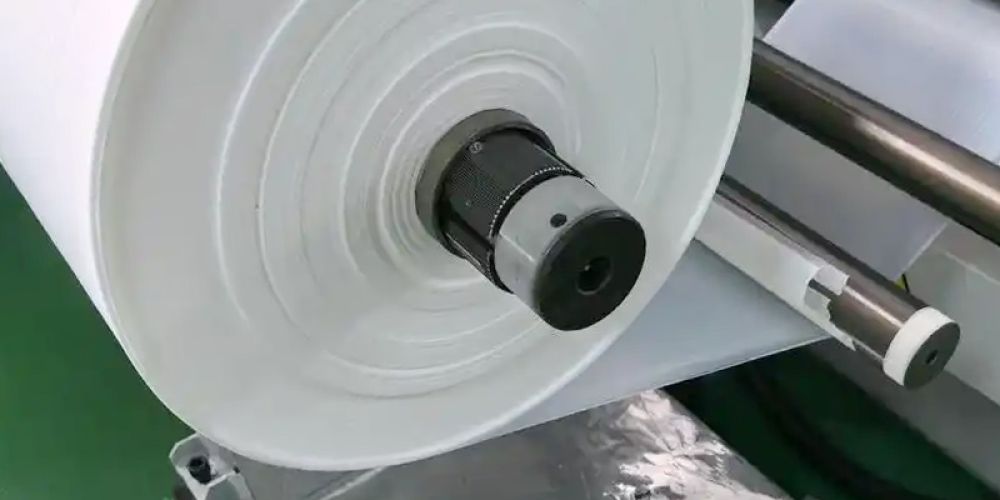
PTFE (polytetrafluoroethylene) film is a high-performance engineering plastic film renowned for its excellent chemical stability, high-temperature…
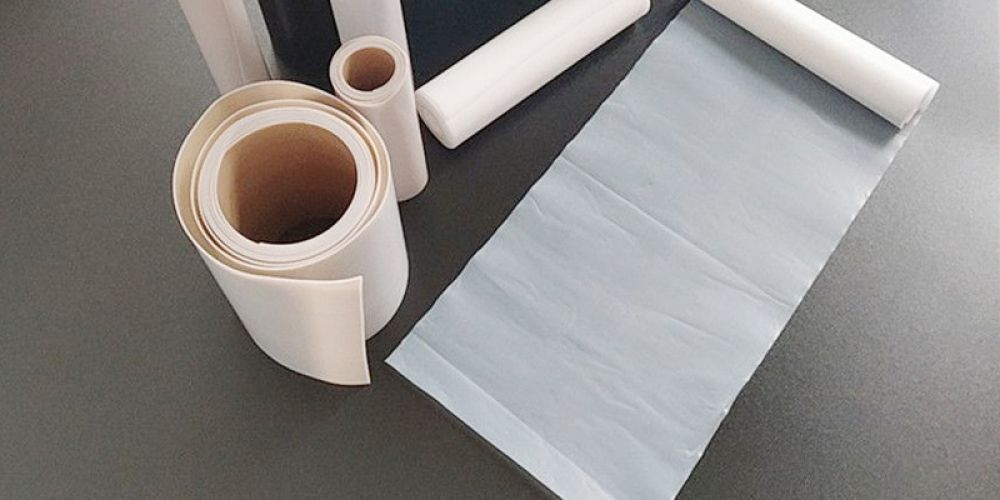
Microporous Structure Porosity exceeds 85%, with 1.4 billion micropores per square centimeter and pore sizes ranging…