

Ultra-high-temperature membrane heat sealing machines, such as the Shanghai Puxiong Polyimide Heat Sealing Machine/PTFE Membrane Heat Sealing Machine, achieve temperatures exceeding 400°C. Designed specifically for heat-sealing ultra-high-temperature membranes (e.g., polyimide films and PTFE membranes), these machines operate by generating heat through high-frequency electromagnetic fields. This technology induces rapid molecular motion and friction within the material, enabling precise melting or embossing. Key features of ultra-high-temperature membrane heat sealing machines include:
High-Frequency Heating System
Rapid Heating, High Thermal Efficiency, and Energy Concentration
Uniform Temperature Distribution
Intelligent Temperature Control System
Precision Pressure Adjustment System
High Automation
Smart Fault Diagnosis and Warning System
| Aspect | Ultra-High-Temperature Machine | Traditional Machine |
|---|---|---|
| Heating Method | High-frequency electromagnetic field (rapid, efficient, concentrated) | Conduction/convection (slower, lower efficiency) |
| Temperature Control | Intelligent real-time monitoring and adjustment | Less precise, prone to overheating/weak bonds |
| Pressure Adjustment | Precision pressure tuning for material compatibility | Limited accuracy, compromising strength/sealing |
| Automation Level | Fully automated workflow for high productivity | Manual operation dominates, reducing efficiency |
| Fault Detection | Real-time diagnostics with alerts and solutions | Minimal/no fault detection capabilities |
.jpg)
In the construction field, the heat-sealing production methods for different new membrane materials vary depending on…
.jpg)
In the construction field, the heat-sealing of PVDF membrane materials is mainly achieved through processes such…
.jpg)
Due to its unique molecular structure and excellent overall performance, PVDF (polyvinylidene fluoride) membrane material is…
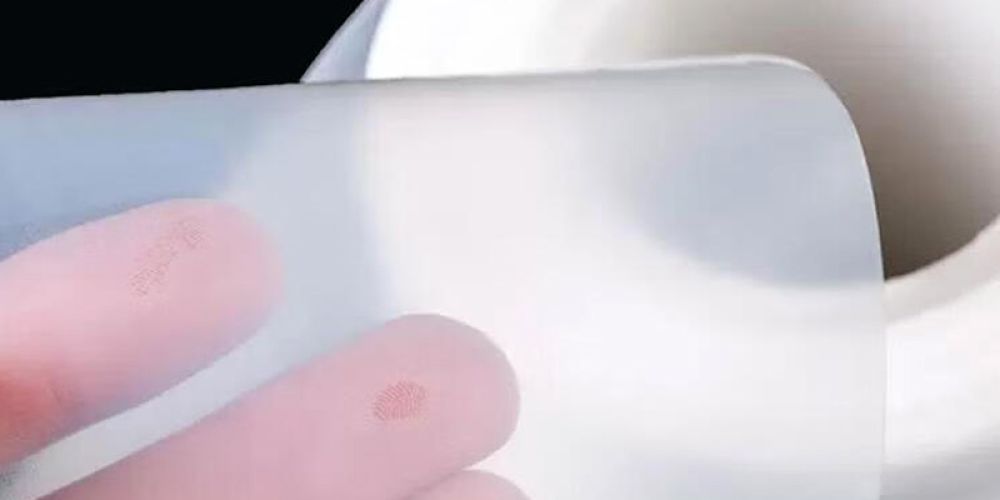
Chemical Inertness: Virtually unreactive with almost all chemical substances; resistant to acids, alkalis, and organic solvents…
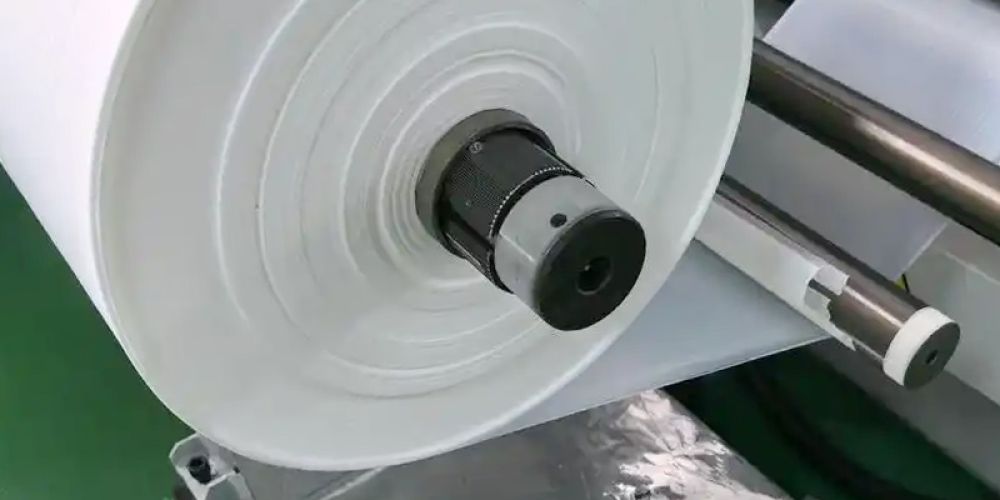
PTFE (polytetrafluoroethylene) film is a high-performance engineering plastic film renowned for its excellent chemical stability, high-temperature…
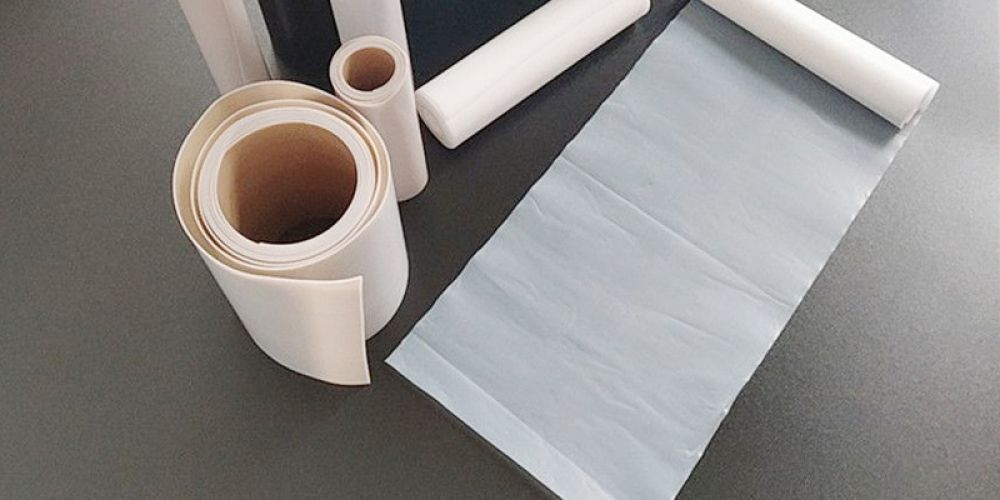
Microporous Structure Porosity exceeds 85%, with 1.4 billion micropores per square centimeter and pore sizes ranging…