
.jpg)
1. PTFE/PVC Polyester Fiber Membrane
A polyester fiber membrane with PTFE coating on one side and PVC coating on the other, produced by Germany’s Duraskin Membrane Materials Company. It combines the self-cleaning properties of PTFE membranes with the flexibility of PVC membranes, significantly enhancing performance.
2. Pure PTFE Membrane
A membrane coated with PTFE on a PTFE base fabric, using entirely PTFE materials. Highly flexible and foldable, it employs the same splicing method as PTFE glass fiber membranes while achieving a light transmittance of 40%.
3. ETFE Membrane
Available in fully transparent or translucent forms, ETFE membranes lack a base fabric and are typically used in inflatable double-layer structures. With 95% light transmittance and strong impact resistance, it is often called "soft glass."
4. PTFE-Laminated Glass Fiber Membrane
A composite material formed by laminating two layers of PTFE membranes onto glass fiber mesh under high temperature and pressure. With over 50% light transmittance, it is ideal for light-transmitting engineering projects.
5. Acoustic Membrane
Uses specially woven glass fiber mesh with surface treatments to provide sound absorption and noise insulation.
6. Building Insulation Film
Features high thermal insulation efficiency, blocking outdoor heat and UV rays to maintain indoor comfort. Energy-efficient and eco-friendly, it reduces air conditioning usage, lowering energy costs for homes and businesses.
7. Roofing Film
Offers excellent waterproofing and UV resistance, preventing water leakage and protecting roofs from weather damage. Suitable for waterproofing roofs, rooftop gardens, terraces, and balconies.
8. Floor Moisture Barrier
Effectively blocks ground moisture to prevent floor warping, mold, and deformation. Also provides slip resistance and durability, ensuring a safe, healthy indoor environment.
9. Geomembrane
Boasts high tensile strength, elongation, and corrosion resistance. Prevents soil erosion, water loss, and groundwater infiltration, ensuring stability in infrastructure projects like roads, bridges, tunnels, and dams.
10. Greenhouse Film
Combines light transmittance, thermal insulation, and durability to regulate temperature, humidity, and light in greenhouses. Enhances crop yield and quality for vegetables, fruits, and flowers.
11. Glass Fiber-Silicone Resin Membrane
Silicone resin provides extreme temperature resistance, water repellency, and oxidation resistance. This membrane offers high tensile strength, elasticity, and light transmission.
12. Synthetic Rubber Membrane
Features flexibility, stability against sunlight/ozone/heat aging, abrasion/chemical resistance, and flame retardancy. Typically used in dark coatings due to yellowing tendencies.
13. Non-Woven Composite Membrane
Made by combining non-woven fabric with microporous films (e.g., PTFE). In construction, polyether-based microporous composites act as waterproof yet breathable exterior materials.
.jpg)
In the construction field, the heat-sealing production methods for different new membrane materials vary depending on…
.jpg)
In the construction field, the heat-sealing of PVDF membrane materials is mainly achieved through processes such…
.jpg)
Due to its unique molecular structure and excellent overall performance, PVDF (polyvinylidene fluoride) membrane material is…
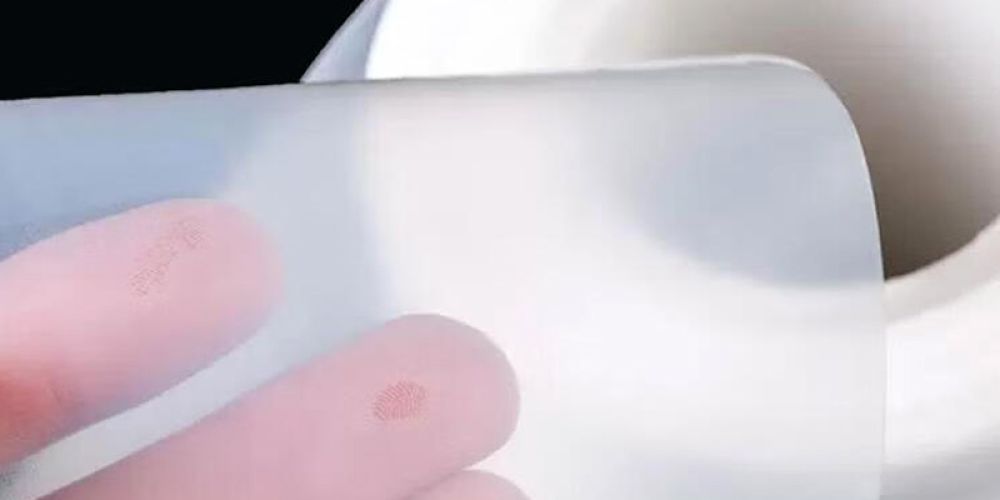
Chemical Inertness: Virtually unreactive with almost all chemical substances; resistant to acids, alkalis, and organic solvents…
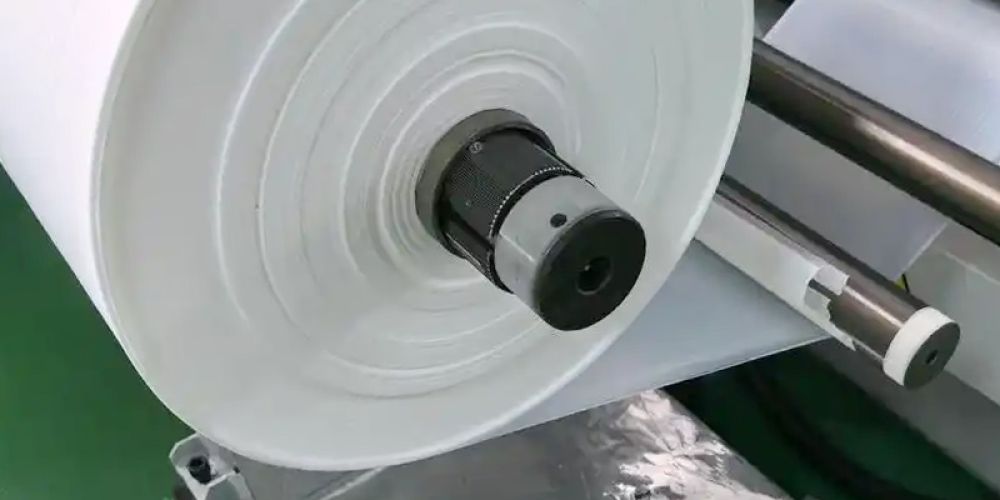
PTFE (polytetrafluoroethylene) film is a high-performance engineering plastic film renowned for its excellent chemical stability, high-temperature…
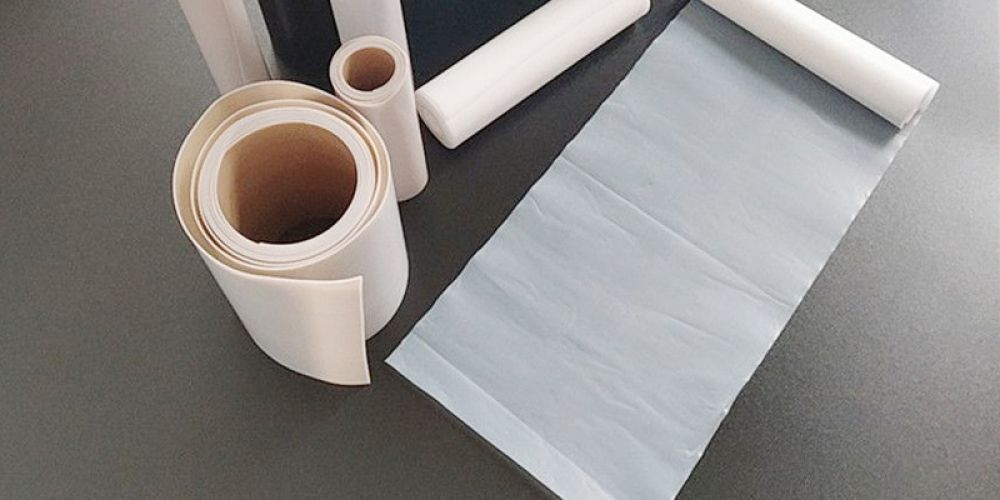
Microporous Structure Porosity exceeds 85%, with 1.4 billion micropores per square centimeter and pore sizes ranging…