
I. Introduction
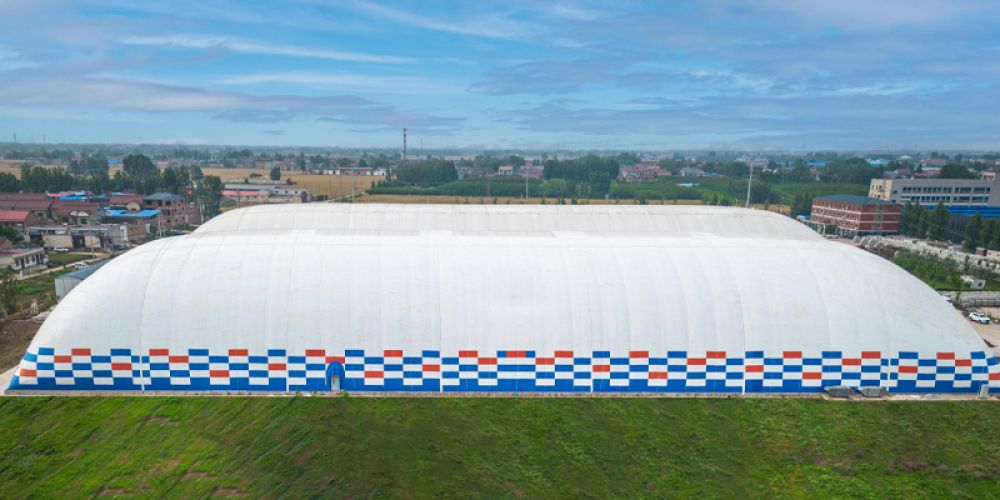
Polytetrafluoroethylene (PTFE) membranes are widely used in chemical, environmental, and construction industries due to their excellent chemical resistance, high-temperature stability, and low friction coefficient. However, PTFE’s inherent drawbacks, such as low thermal conductivity and high hardness, often lead to insufficient welding strength and thermal damage during hot-press welding processes. This study explores the innovative application of a cold-hot switching blade technology to address these challenges, aiming to improve the welding quality and efficiency of PTFE membranes.
II. Challenges in Hot-Press Welding of PTFE Membranes
Low Thermal Conductivity
High Hardness
Thermal Damage
III. Innovative Application of Cold-Hot Switching Blade Technology
Technical Principle
Process Advantages
IV. Experimental Study and Results Analysis
Methods
Results
Analysis
V. Conclusion
This study demonstrates the effectiveness of cold-hot switching blade technology in addressing PTFE membrane welding challenges. Experimental results validate its superiority over traditional methods in enhancing weld strength and reducing material loss, offering robust technical support for efficient PTFE welding. Future work should focus on optimizing process parameters to further improve quality and efficiency, broadening its industrial applicability.
.jpg)
In the construction field, the heat-sealing production methods for different new membrane materials vary depending on…
.jpg)
In the construction field, the heat-sealing of PVDF membrane materials is mainly achieved through processes such…
.jpg)
Due to its unique molecular structure and excellent overall performance, PVDF (polyvinylidene fluoride) membrane material is…
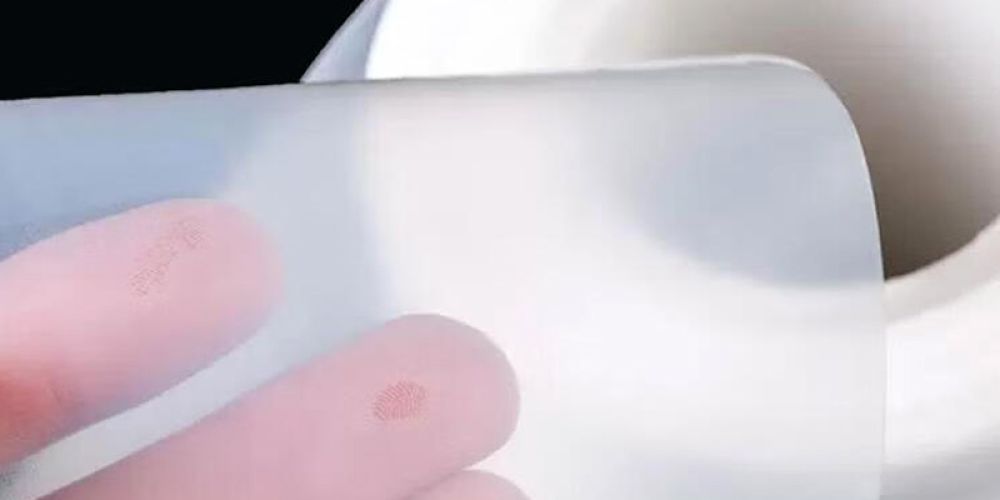
Chemical Inertness: Virtually unreactive with almost all chemical substances; resistant to acids, alkalis, and organic solvents…
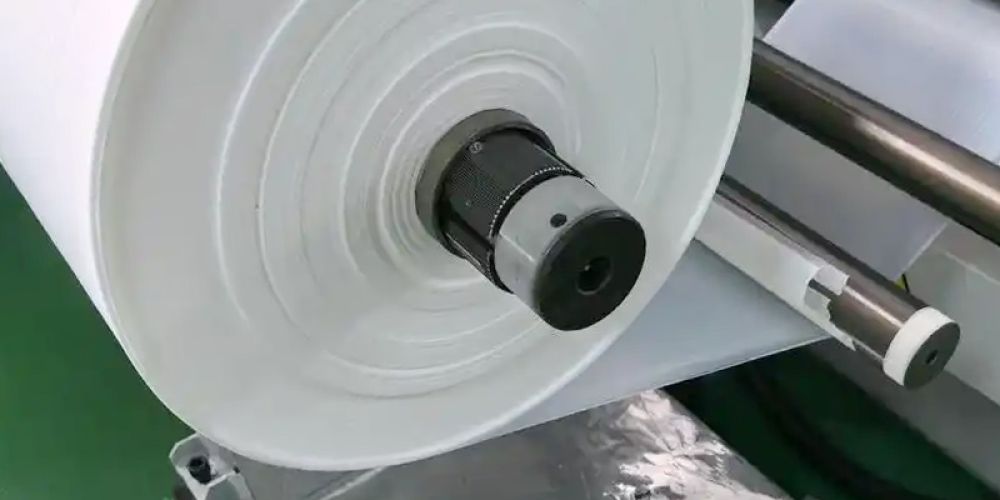
PTFE (polytetrafluoroethylene) film is a high-performance engineering plastic film renowned for its excellent chemical stability, high-temperature…
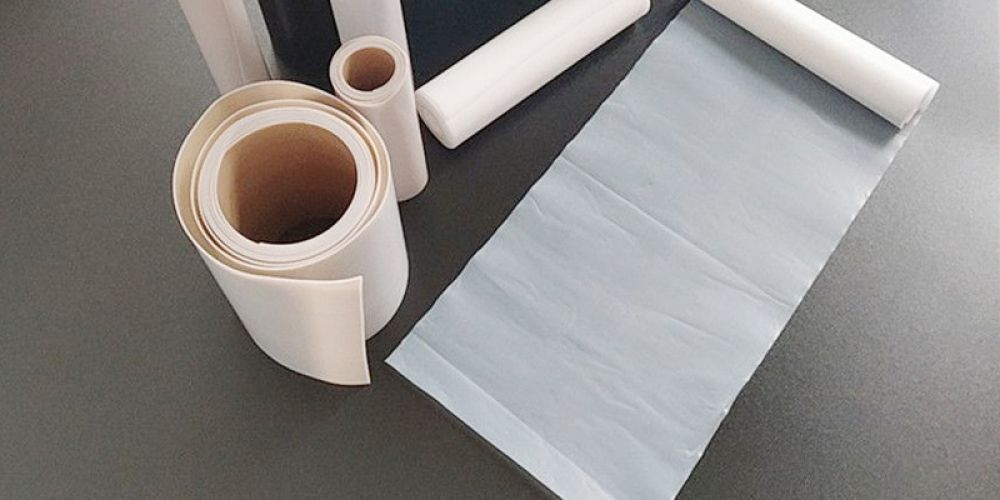
Microporous Structure Porosity exceeds 85%, with 1.4 billion micropores per square centimeter and pore sizes ranging…