
.jpg)
I. Welding Characteristics of PVC Membrane Material
PVC (Polyvinyl Chloride) membrane is a thermoplastic material, and its welding requires adherence to the following critical parameters:
II. Applicable Equipment Analysis
1. High-Frequency Welding Machine (High-Frequency Induction Welder)
Working Principle:
Utilizes a high-frequency electromagnetic field (above 20,000 Hz) to generate eddy currents within the PVC, achieving fusion through friction-induced heat. Welding methods include fusion welding, embedded welding, and riveting, catering to complex process requirements.
Advantages:
Applicable Scenarios:
Industrial-scale production, particularly ideal for films, soft PVC, and composite materials.
.jpg)
In the construction field, the heat-sealing production methods for different new membrane materials vary depending on…
.jpg)
In the construction field, the heat-sealing of PVDF membrane materials is mainly achieved through processes such…
.jpg)
Due to its unique molecular structure and excellent overall performance, PVDF (polyvinylidene fluoride) membrane material is…
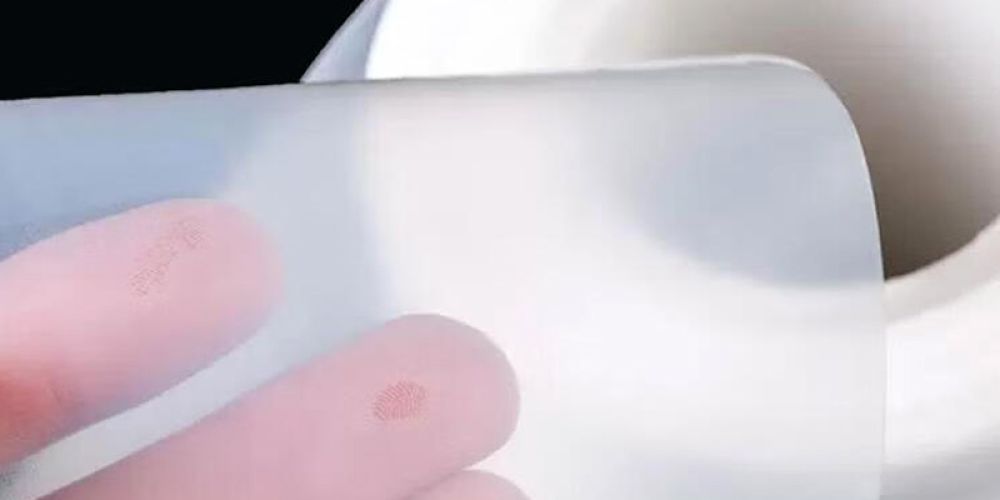
Chemical Inertness: Virtually unreactive with almost all chemical substances; resistant to acids, alkalis, and organic solvents…
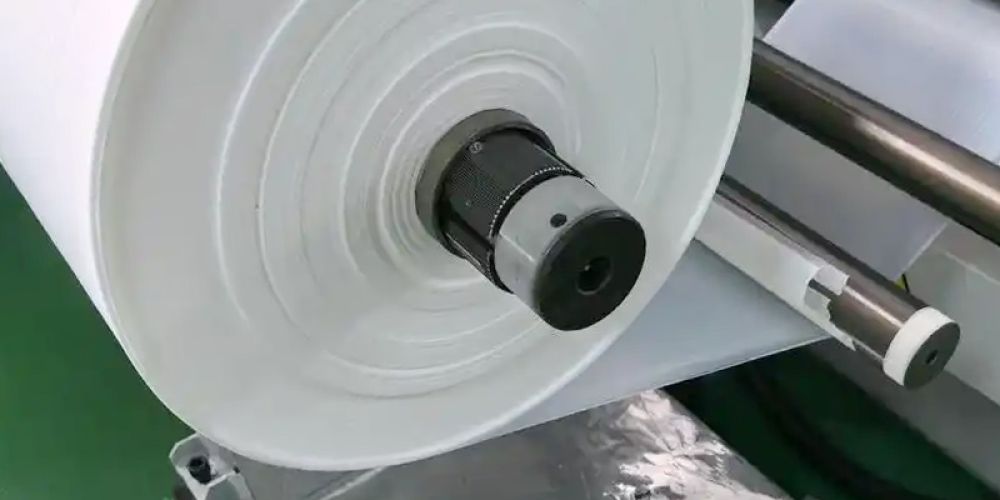
PTFE (polytetrafluoroethylene) film is a high-performance engineering plastic film renowned for its excellent chemical stability, high-temperature…
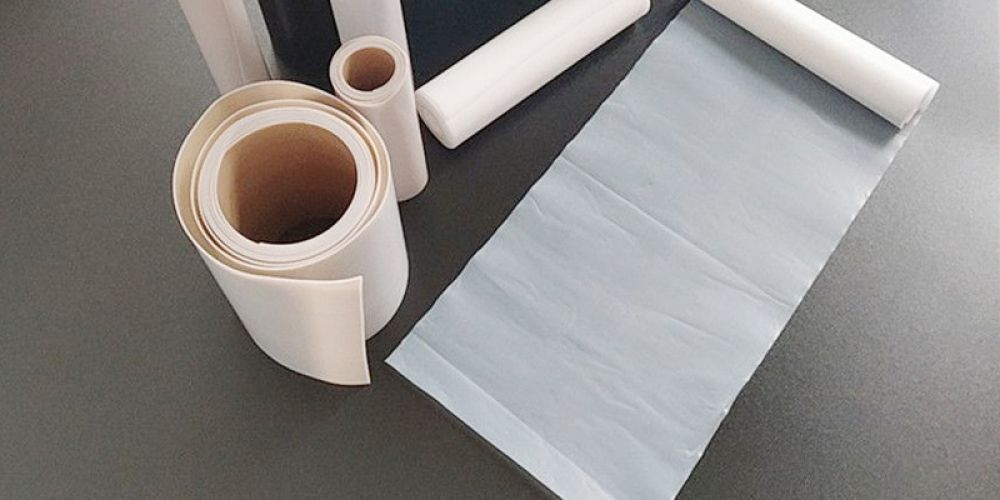
Microporous Structure Porosity exceeds 85%, with 1.4 billion micropores per square centimeter and pore sizes ranging…