
.jpg)
PVC Membrane Material, valued for its weather resistance, tear resistance, and plasticity, is widely used in construction, environmental engineering, industrial applications, and more. Its welding process relies on specialized equipment such as high-frequency welding machines (high-cycle welding machines), which utilize high-frequency electromagnetic fields to generate heat through molecular friction, achieving seamless fusion. Below, we analyze the core value and technical advantages of PVC membrane welding equipment through practical application scenarios.
Applications: Stadium roofs (e.g., the ETFE membrane structure of the "Water Cube"), airport terminals, exhibition centers, landscape installations (e.g., tensile membrane sculptures).
Technical Requirements:
Applications: Red-membrane biogas digesters, flexible biogas bags, industrial wastewater treatment tanks, rainwater harvesting systems.
Technical Requirements:
Applications: Military tents, medical isolation tents, disaster-relief shelters, inflatable temporary structures.
Technical Requirements:
Applications: Dust covers for mining coal yards, chemical tank linings, salt field evaporation ponds, port cargo tarps.
Technical Requirements:
.jpg)
In the construction field, the heat-sealing production methods for different new membrane materials vary depending on…
.jpg)
In the construction field, the heat-sealing of PVDF membrane materials is mainly achieved through processes such…
.jpg)
Due to its unique molecular structure and excellent overall performance, PVDF (polyvinylidene fluoride) membrane material is…
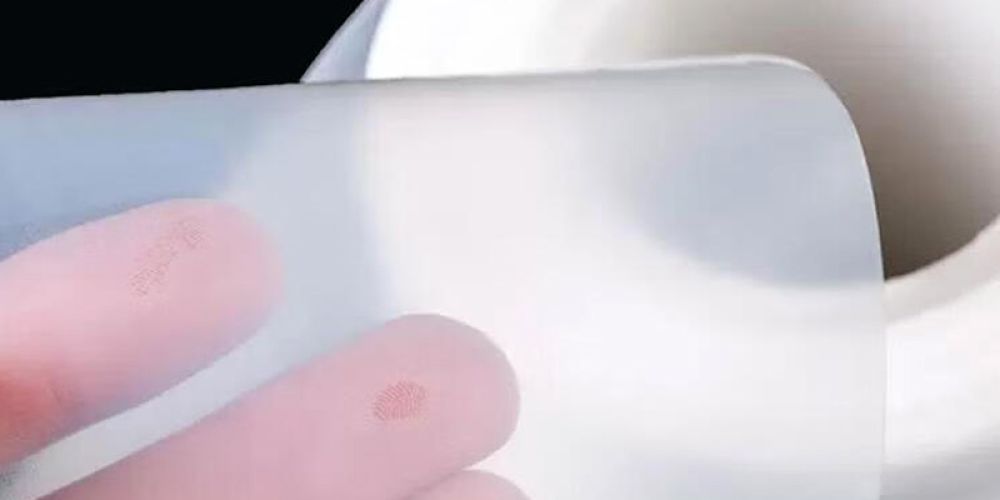
Chemical Inertness: Virtually unreactive with almost all chemical substances; resistant to acids, alkalis, and organic solvents…
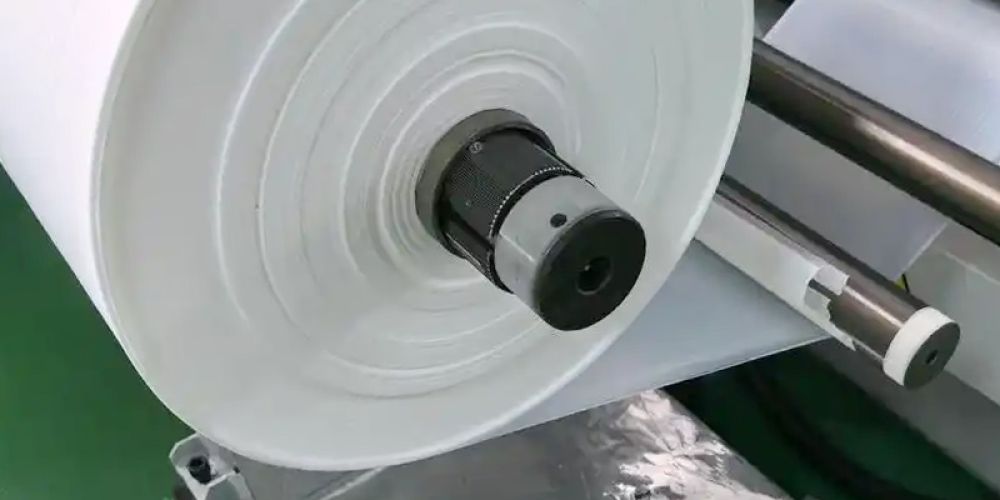
PTFE (polytetrafluoroethylene) film is a high-performance engineering plastic film renowned for its excellent chemical stability, high-temperature…
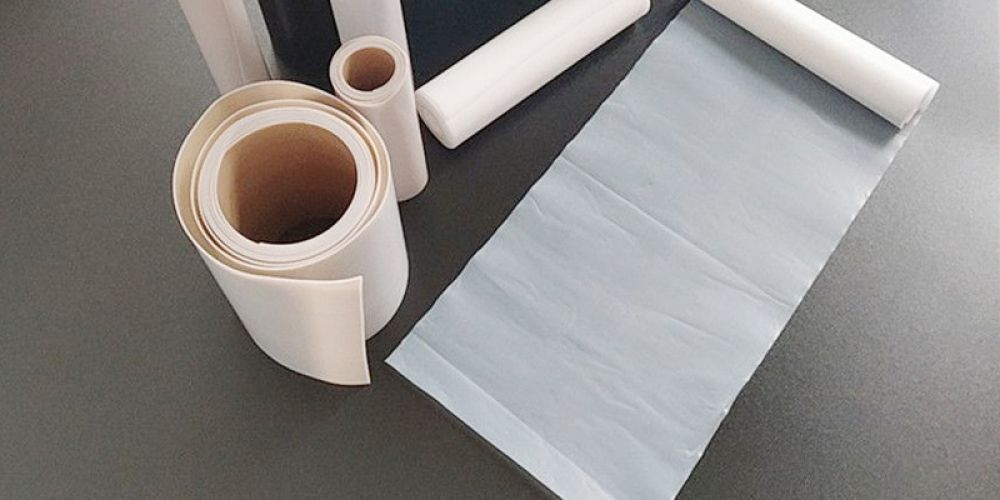
Microporous Structure Porosity exceeds 85%, with 1.4 billion micropores per square centimeter and pore sizes ranging…