
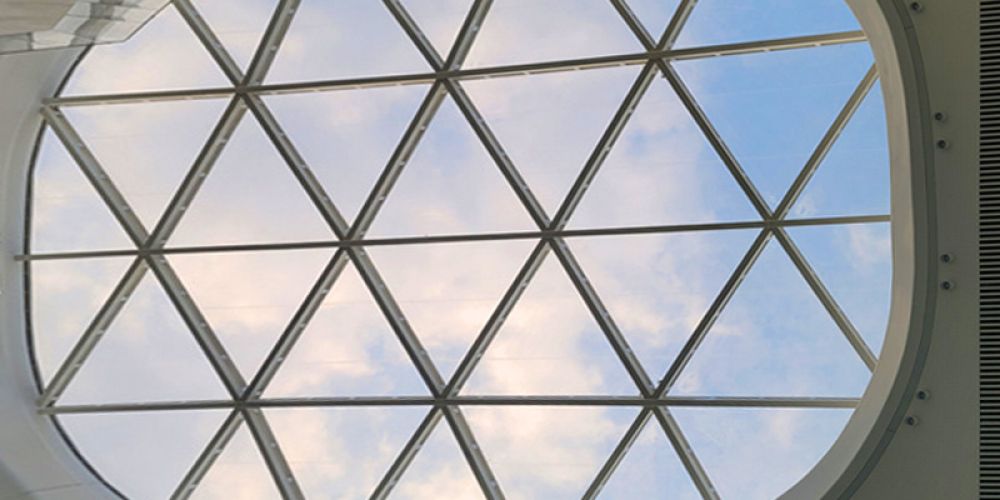
Applications of ETFE Membrane in Building Curtain Walls and Walls
The use of ETFE membrane in building curtain walls and walls is extensive and diverse, as demonstrated in the following aspects:
Lightweight and High Light Transmittance
ETFE membrane is lightweight, weighing only 0.15–0.35 kg per square meter, approximately 1/100th the weight of glass panels of the same size. This significantly reduces demands on support structures and the main building framework. Additionally, its excellent light transmittance (over 95% visible light transmission) and controllable light diffusion make it ideal for curtain wall systems. ETFE curtain walls can be combined with glass, stone, or aluminum panel walls to create unique aesthetics while delivering superior performance.
Flexibility and Creativity
As a fully flexible material, ETFE membrane forms continuous connections with support structures, ensuring high safety. Pneumatic cushion units can span dozens of square meters or more, enabling clean geometries and diverse architectural forms. Visually, ETFE curtain walls break free from the rigidity of traditional systems, offering architects unparalleled creative freedom.
Durability and Self-Cleaning Properties
ETFE membrane exhibits exceptional aging resistance and self-cleaning capabilities. Its anti-adhesive surface repels dirt, and rainwater alone is often sufficient to remove most contaminants, minimizing maintenance. With a service life of 25–35+ years, it reduces long-term maintenance costs for buildings.
Real-World Examples
ETFE pneumatic cushion curtain walls are widely used in stadiums, swimming pools, greenhouses, exhibition halls, and transportation hubs in Europe and the U.S. For instance, The Shed at Hudson Yards features a 120-foot retractable ETFE membrane shell, designed to create the "world’s most flexible cultural institution."
Light Transmission and Thermal Insulation
While ETFE membrane is unsuitable for tensile structural systems due to creep deformation, when used as air-isolating pneumatic cushions, it provides excellent thermal insulation. Its high light transmittance also reduces artificial lighting needs, lowering energy consumption.
Adaptability and Versatility
ETFE membrane can be tailored to varying thicknesses to meet project load requirements. Light and UV transmittance can be adjusted via printed shading layers or membrane thickness modifications, catering to diverse environmental and thermal needs.
Real-World Examples
ETFE is ideal for structures requiring simulated natural environments, such as botanical gardens and sports venues. The UK’s Eden Project employs ETFE walls to optimize plant growth conditions. In China, projects like Yexing Hangzhou Yin Tai Plaza ETFE Membrane Canopy (near West Lake) and Yexing Guigang High-Speed Rail Station Plaza ETFE Canopy showcase its versatility in walls and roofing.
.jpg)
In the construction field, the heat-sealing production methods for different new membrane materials vary depending on…
.jpg)
In the construction field, the heat-sealing of PVDF membrane materials is mainly achieved through processes such…
.jpg)
Due to its unique molecular structure and excellent overall performance, PVDF (polyvinylidene fluoride) membrane material is…
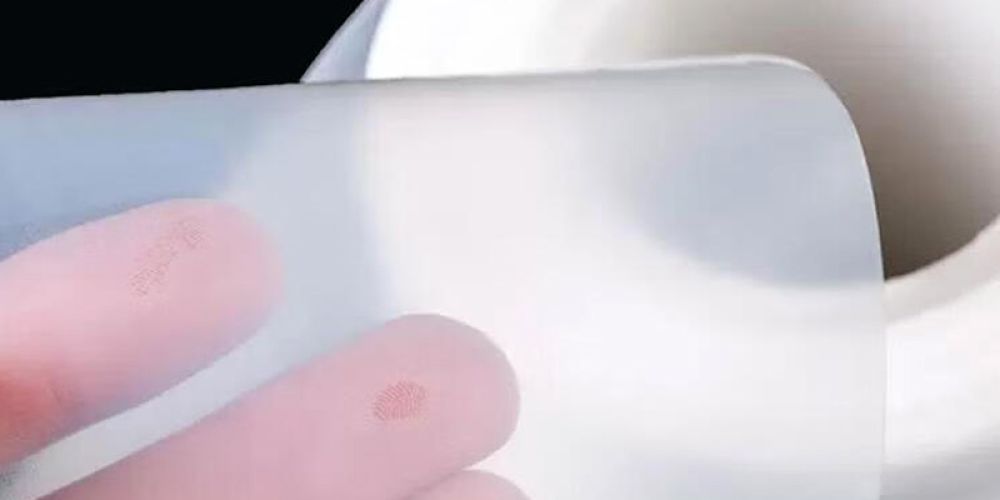
Chemical Inertness: Virtually unreactive with almost all chemical substances; resistant to acids, alkalis, and organic solvents…
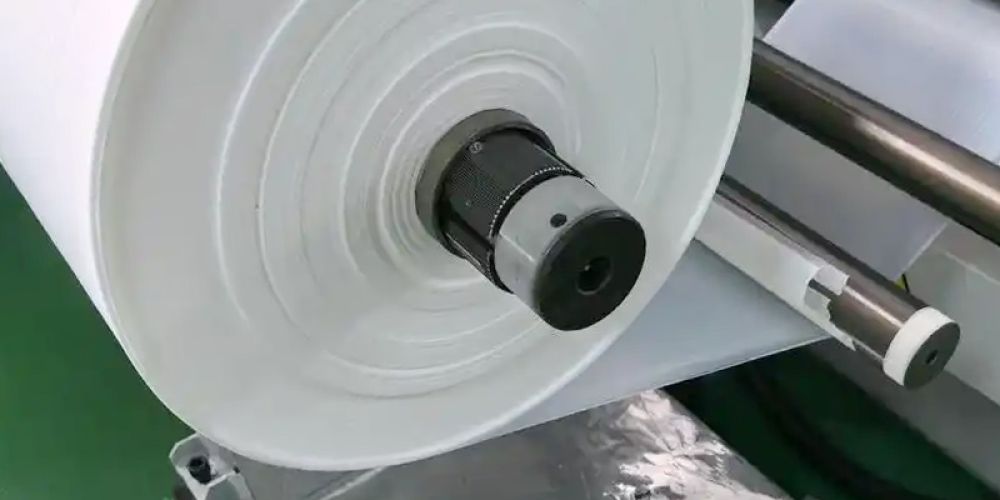
PTFE (polytetrafluoroethylene) film is a high-performance engineering plastic film renowned for its excellent chemical stability, high-temperature…
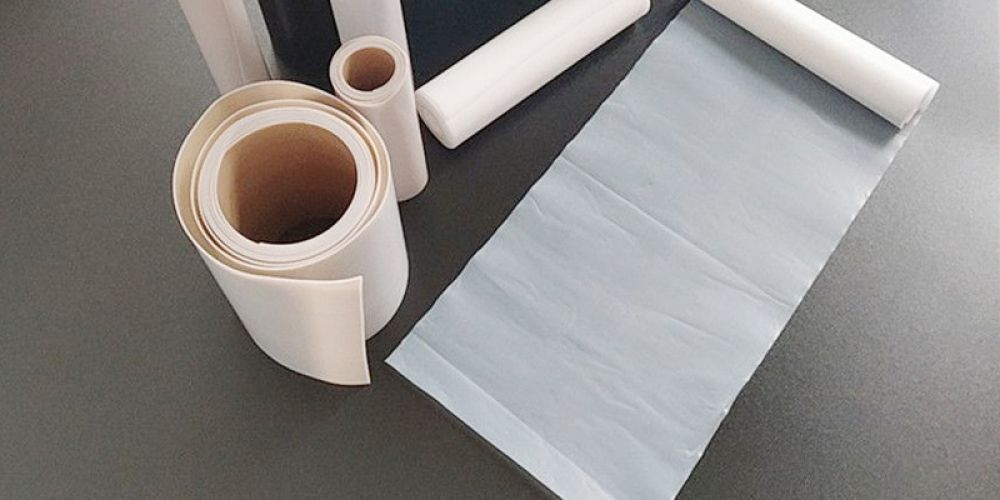
Microporous Structure Porosity exceeds 85%, with 1.4 billion micropores per square centimeter and pore sizes ranging…