
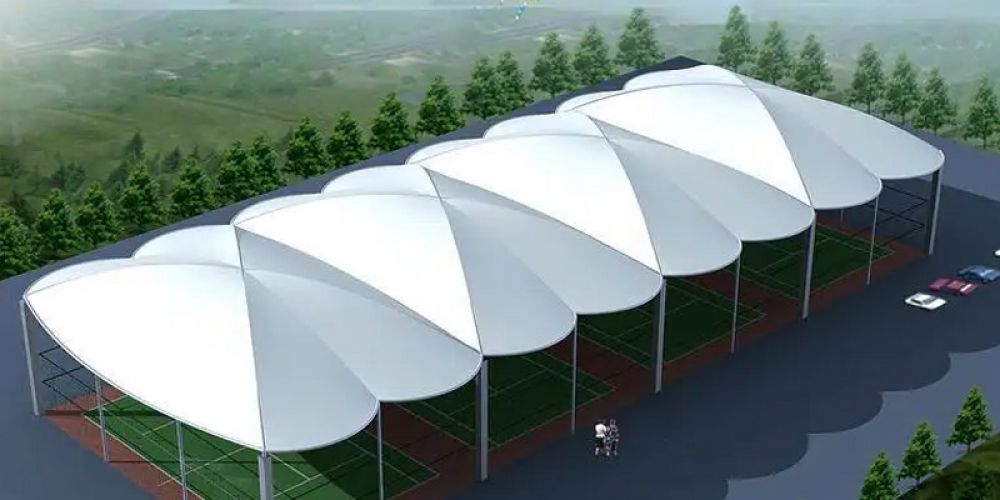
PVDF Cable-Membrane Structures: A Revolutionary Architectural Solution
Introduction
With the advancement of technology and the growing pursuit of architectural aesthetics, traditional building materials can no longer meet the demands of modern construction. Against this backdrop, PVDF cable-membrane structures have emerged as an innovative architectural solution. Combining unique advantages, they are gradually reshaping the landscape of the construction industry.
I. Concept of PVDF Cable-Membrane Structures
PVDF cable-membrane structures are a novel composite material composed of polymer films and fibers. The polymer film is primarily made of polyvinylidene fluoride (PVDF), characterized by exceptional tensile strength, weather resistance, and chemical corrosion resistance. The fibers, typically polyester or glass fibers, provide excellent flexibility and elasticity. The design philosophy integrates the film and fibers into a tightly bonded system, forming a structural framework with remarkable stability and durability.
II. Characteristics of PVDF Cable-Membrane Structures
III. Applications of PVDF Cable-Membrane Structures
Although still relatively niche in the construction sector, PVDF cable-membrane structures hold immense potential. Key applications include:
IV. Conclusion
PVDF cable-membrane structures represent a groundbreaking innovation in building materials, unlocking new possibilities for architecture. While their current adoption is limited, ongoing technological advancements and evolving aesthetic preferences suggest a promising future. It is reasonable to anticipate that PVDF cable-membrane systems will play an increasingly vital role in shaping tomorrow’s architectural horizons.
.jpg)
In the construction field, the heat-sealing production methods for different new membrane materials vary depending on…
.jpg)
In the construction field, the heat-sealing of PVDF membrane materials is mainly achieved through processes such…
.jpg)
Due to its unique molecular structure and excellent overall performance, PVDF (polyvinylidene fluoride) membrane material is…
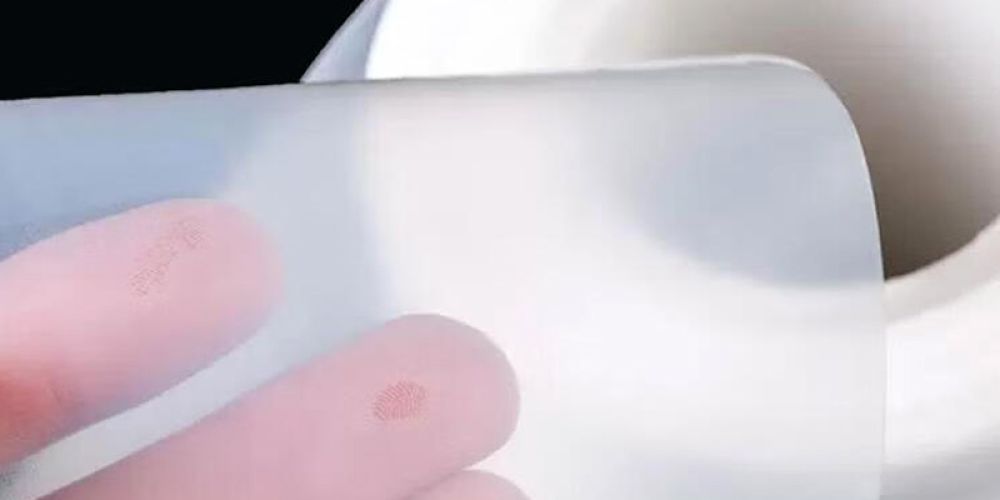
Chemical Inertness: Virtually unreactive with almost all chemical substances; resistant to acids, alkalis, and organic solvents…
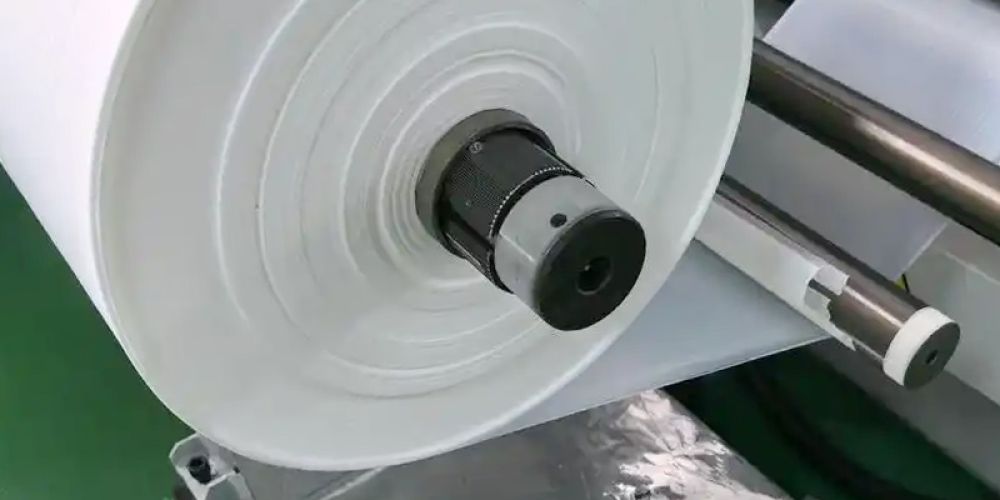
PTFE (polytetrafluoroethylene) film is a high-performance engineering plastic film renowned for its excellent chemical stability, high-temperature…
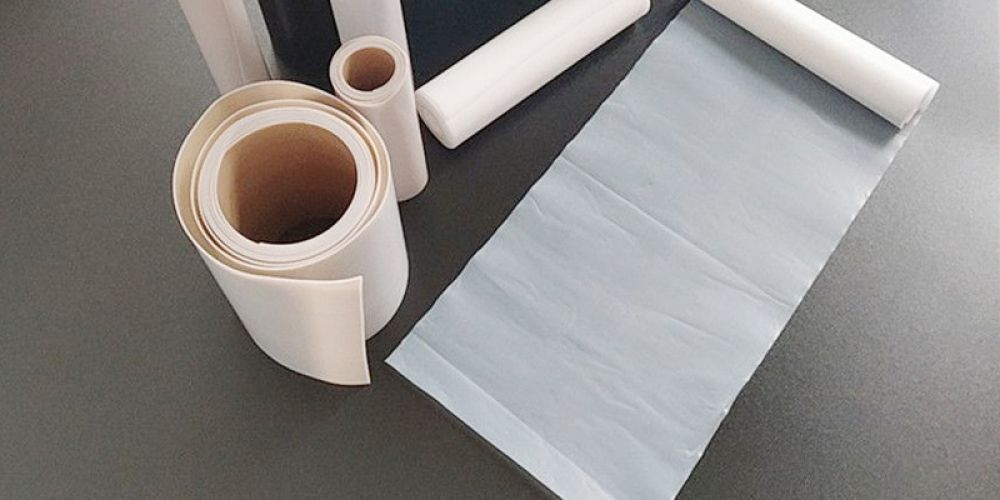
Microporous Structure Porosity exceeds 85%, with 1.4 billion micropores per square centimeter and pore sizes ranging…