
.jpg)
Introduction
With the continuous development of the construction industry, cable-membrane technology, among numerous building techniques, has emerged as a groundbreaking force in the field of architecture due to its unique advantages. This article provides a comprehensive overview of the principles, materials, and applications of cable-membrane technology, aiming to equip readers with a thorough understanding of its significance.
I. Principles of Cable-Membrane Technology
Cable-membrane technology, also known as tensioned membrane technology, is a structural system that utilizes prestress to achieve self-supporting large-span structures. Its fundamental principle involves laying a polymer membrane over a steel support system and applying prestress to generate sufficient tensile force, thereby stabilizing the shape and dimensions of the entire structure. This approach effectively addresses challenges in large-span self-supporting systems while offering advantages such as rapid construction, cost efficiency, and aesthetic appeal.
II. Materials for Cable-Membrane Technology
Polymer Membranes
Polymer membranes are the core material of this technology, responsible for bearing prestress and transferring loads to the support structure. Typically made from high-performance materials such as polyethylene (PE) or polyvinyl chloride (PVC), these membranes exhibit excellent flexibility, durability, and weather resistance. Additionally, they possess fire-retardant properties, reducing fire hazards.
Steel Cables
Steel cables act as load-bearing connectors between the membrane and the support structure, transmitting tensile forces. Constructed from high-strength steel wire ropes or stainless steel plates, these cables offer superior tensile strength and toughness. Their diameter, spacing, and arrangement significantly influence structural stability and safety, necessitating meticulous design and construction oversight.
Support Structures
The support system forms the foundation of the technology, comprising columns, beams, trusses, and other components. Its design must account for prestress magnitude and distribution to ensure structural integrity. During construction, precise coordination between the membrane, cables, and support structure is critical for optimal performance.
III. Applications of Cable-Membrane Technology
Cable-membrane technology has gained widespread adoption in the construction sector, with prominent applications including:
Sports Venues: Ideal for large-span roof systems in stadiums or aquatic centers, this technology enables dynamic deformation control through prestress adjustments, enhancing seismic resilience and indoor comfort. Notable examples include Beijing’s National Stadium (Bird’s Nest) and Shanghai’s World Swimming Center (Water Cube).
Exhibition Halls: The technology creates expansive, visually striking roofs, as seen in Shenzhen’s Ping An Financial International Center Convention and Exhibition Center.
Urban Landscapes: Applied in large-span urban installations like park pavilions or plaza facades, it allows dynamic aesthetic transformations. For instance, Guangzhou’s Baiyun Mountain Scenic Area features a landmark cable-membrane landscape wall.
Commercial Complexes: Utilized in shopping malls, hotels, and mixed-use developments, it optimizes spatial layouts and functional zoning. Shenzhen’s MixC World is a prime example of this integration.
Conclusion
As an innovative architectural technique, cable-membrane technology has proven successful in numerous projects. With advancements in material science and growing demands for aesthetic and functional excellence, it is poised to play an increasingly vital role in shaping the future of construction.
.jpg)
In the construction field, the heat-sealing production methods for different new membrane materials vary depending on…
.jpg)
In the construction field, the heat-sealing of PVDF membrane materials is mainly achieved through processes such…
.jpg)
Due to its unique molecular structure and excellent overall performance, PVDF (polyvinylidene fluoride) membrane material is…
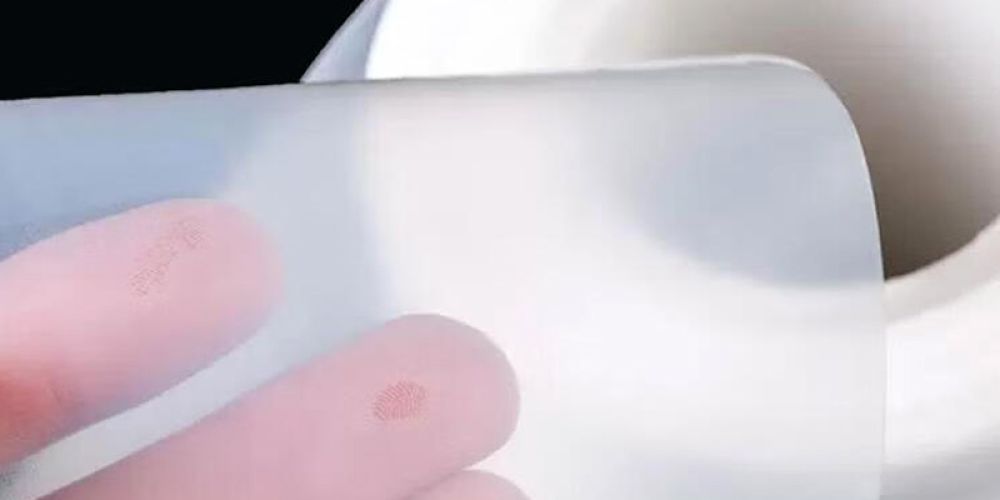
Chemical Inertness: Virtually unreactive with almost all chemical substances; resistant to acids, alkalis, and organic solvents…
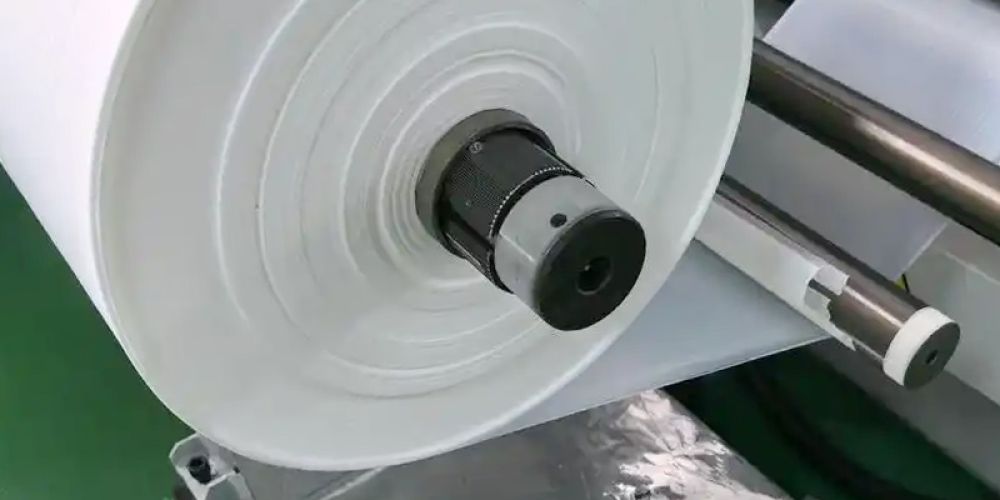
PTFE (polytetrafluoroethylene) film is a high-performance engineering plastic film renowned for its excellent chemical stability, high-temperature…
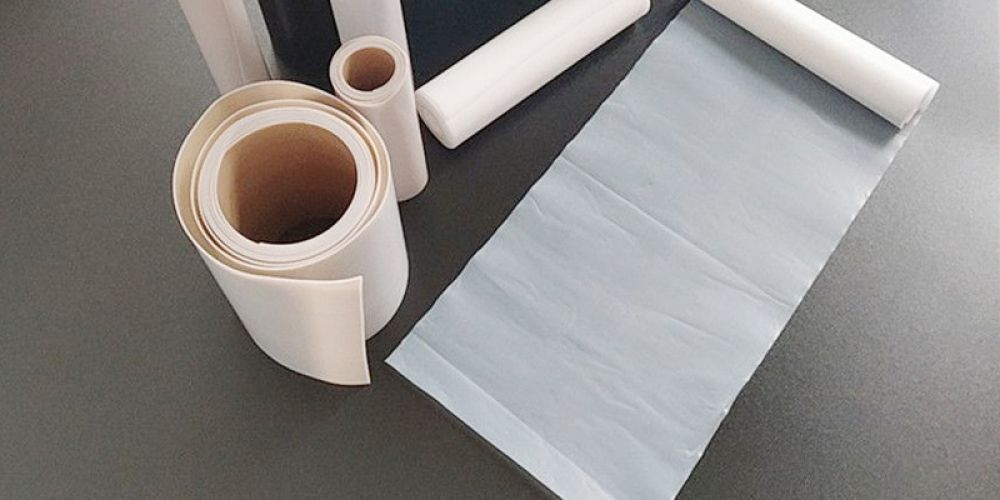
Microporous Structure Porosity exceeds 85%, with 1.4 billion micropores per square centimeter and pore sizes ranging…