
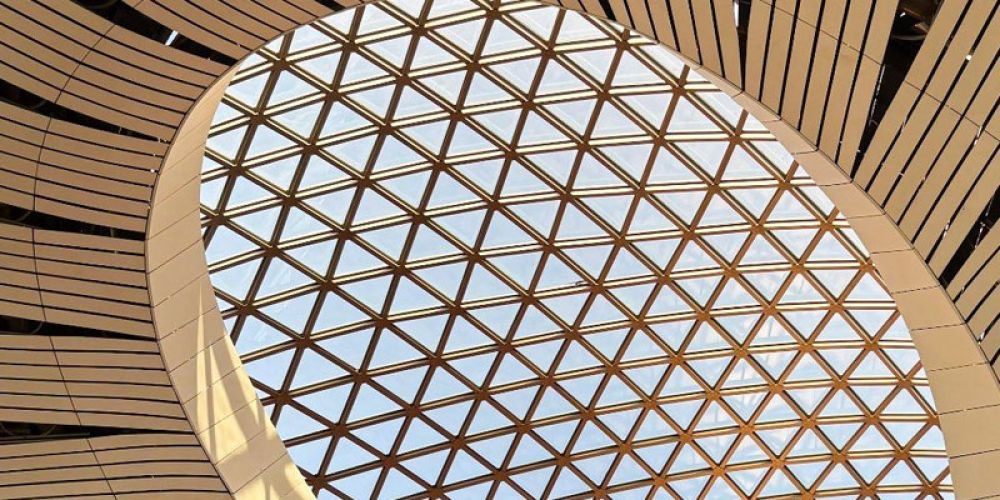
When people stand in the departure hall of Beijing Daxing International Airport and look up at the enormous skylight made of ETFE membrane material, they are often awestruck by the soft and even natural light. This seemingly thin material is quietly sparking a "lightweight revolution" in the construction industry, not only changing the appearance of buildings but also profoundly impacting their ecological performance and construction methods.
The greatest contribution of ETFE membrane structures to building ecology lies in their outstanding sustainability. From a material lifecycle perspective, the energy consumption for producing ETFE membrane materials is far lower than that of traditional glass curtain walls; their extremely light weight reduces the load on the main structure, thus saving on basic building materials; and their high light transmittance of up to 95% maximizes the use of natural light, reducing building lighting energy consumption. More importantly, ETFE membrane materials themselves have a recyclability rate of over 90%, truly realizing a "cradle-to-cradle" circular design concept.
In terms of energy-saving design, the multi-layered ETFE air cushion system creates a unique "greenhouse effect." In winter, the air within the air cushion interlayer forms an insulation layer, reducing heat loss; in summer, solar radiation heat gain can be effectively controlled by adjusting the air pressure within the air cushion or using a shading printed layer. This adaptive capability enables ETFE buildings to significantly reduce heating and cooling energy consumption. The transparent roof of Berlin Central Station in Germany is a successful example, achieving an approximately 30% reduction in annual energy consumption through the intelligent design of the ETFE membrane structure.
ETFE membrane structures also promote harmonious coexistence between architecture and nature. Their high light transmittance creates conditions for indoor plant growth, giving rise to numerous architectural practices of "vertical forests" and indoor ecosystems. While the Milan "Vertical Forest" apartment building does not directly use ETFE, its design concept is highly compatible with ETFE technology; and the "Sky Forest City" project in Chongqing, China, directly uses the ETFE membrane structure as a protective layer for plant growth, transforming the building into a living ecosystem.
From the perspective of construction innovation, ETFE membrane structures have brought a new paradigm to building industrialization. The prefabrication of membrane materials in factories and on-site assembly significantly shortens the construction cycle and reduces on-site work and construction waste. The installation of the ETFE membrane structure on the roof of Wembley Stadium in the UK took only half the time of traditional glass curtain walls; and the replacement of ETFE air cushions at the Harbin Institute of Technology Sports Center could be completed quickly without affecting normal use, demonstrating the maintainability advantages of this material system.
However, the widespread adoption of ETFE membrane structures still faces challenges. High initial investment costs, high requirements for specialized design and construction, and the need for special designs to meet fire resistance requirements have limited its application in certain fields. But with technological advancements and large-scale production, these obstacles are gradually being overcome. In recent years, breakthroughs have been made in the research and development of domestically produced ETFE membrane materials, reducing costs by approximately 40%, creating conditions for wider application.
Looking to the future, ETFE membrane structures will be deeply integrated with smart technologies. New ETFE membrane materials integrating sensors and microprocessors can monitor structural status in real time and automatically adjust performance; intelligent inflation systems combined with the Internet of Things can adjust air cushion pressure in advance based on weather forecasts to cope with extreme weather; and even "chameleon" membrane materials that can change light transmittance or color according to changes in indoor and outdoor environments may emerge.
ETFE membrane structures represent not only a new material, but also a new way of thinking—architecture can be light, adaptable, and in dialogue with nature. It breaks away from the heavy image of traditional architecture, creating the greatest spatial experience with minimal materials, truly realizing the architectural philosophy of "less is more." As more and more buildings don this transparent and light cloak, we see not only formal innovation, but also a significant shift in the relationship between architecture and the Earth: from resource consumers to participants in the ecological cycle. This light revolution is quietly reshaping our architectural ecology and sustainable future.
.jpg)
In the construction field, the heat-sealing production methods for different new membrane materials vary depending on…
.jpg)
In the construction field, the heat-sealing of PVDF membrane materials is mainly achieved through processes such…
.jpg)
Due to its unique molecular structure and excellent overall performance, PVDF (polyvinylidene fluoride) membrane material is…
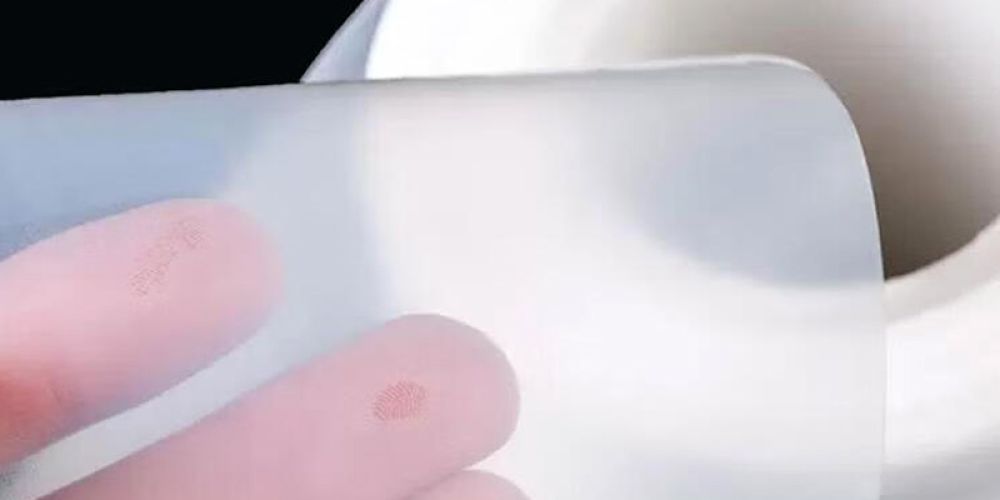
Chemical Inertness: Virtually unreactive with almost all chemical substances; resistant to acids, alkalis, and organic solvents…
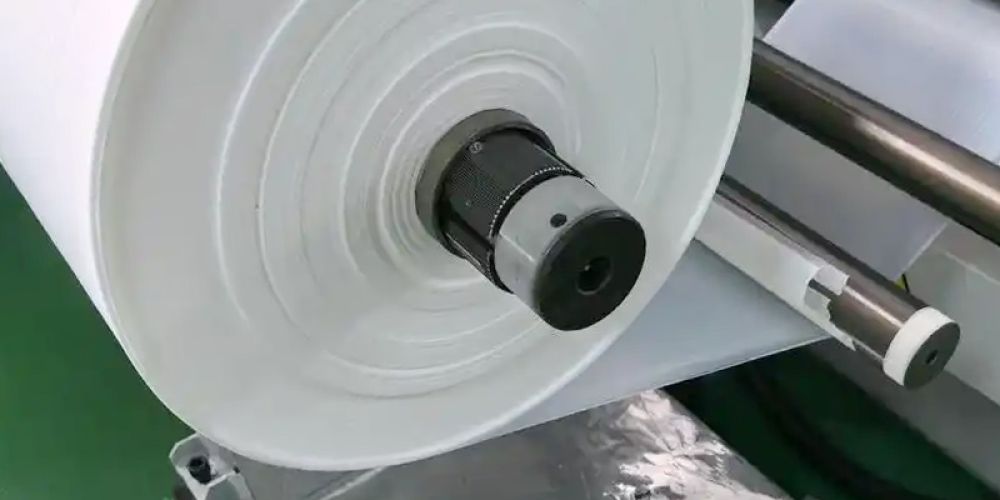
PTFE (polytetrafluoroethylene) film is a high-performance engineering plastic film renowned for its excellent chemical stability, high-temperature…
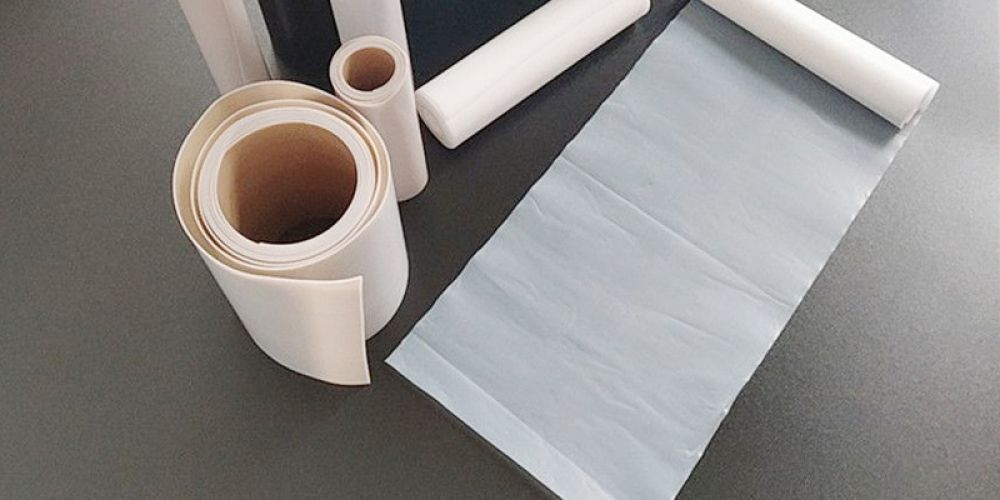
Microporous Structure Porosity exceeds 85%, with 1.4 billion micropores per square centimeter and pore sizes ranging…