
.jpg)
Extraordinary durability:
The designed service life is ≥ 25 years. Many early PTFE buildings have been in use for over 40 years and are still in good condition.
UV resistance: Completely immune to UV degradation.
High and low temperature resistance: Adaptable to an extreme temperature range from -70℃ to +250℃.
Chemical resistance: Resistant to almost all strong acids, strong alkalis and organic solvents.
Ultimate fire safety:
The material grade is A-level non-combustible (Chinese standard). Both the base fabric (glass fiber) and the coating (PTFE) are non-combustible. When exposed to fire, they only melt and shrink without dripping or generating toxic smoke, making it a membrane material with very high life safety performance.
Outstanding self-cleaning property:
After the initial "self-cleaning period", the surface becomes extremely smooth, hydrophobic and oleophobic. Dust and contaminants cannot adhere to it, and rainwater can clean it, reducing maintenance and cleaning costs.
Excellent optical and thermal performance:
Transparency: The natural light transmission rate is approximately 10% to 20%, creating soft and uniform diffused light without glare. It can eliminate shadows and is highly suitable for lighting in sports venues.
Heat reflectivity: It has a high reflectivity and low absorption rate for solar thermal radiation (infrared rays), and features excellent heat insulation performance, making the interior of buildings cooler.
High strength and stability:
It has an extremely high strength-to-weight ratio, a large tensile strength, and very little creep relaxation. This means that after tensioning and forming, the prestress loss is minimal and the shape remains stable for decades.
.jpg)
In the construction field, the heat-sealing production methods for different new membrane materials vary depending on…
.jpg)
In the construction field, the heat-sealing of PVDF membrane materials is mainly achieved through processes such…
.jpg)
Due to its unique molecular structure and excellent overall performance, PVDF (polyvinylidene fluoride) membrane material is…
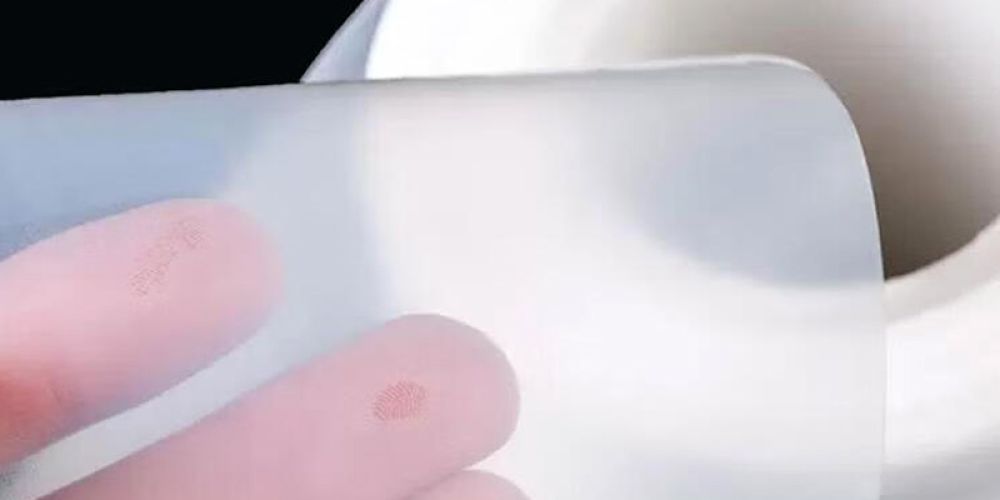
Chemical Inertness: Virtually unreactive with almost all chemical substances; resistant to acids, alkalis, and organic solvents…
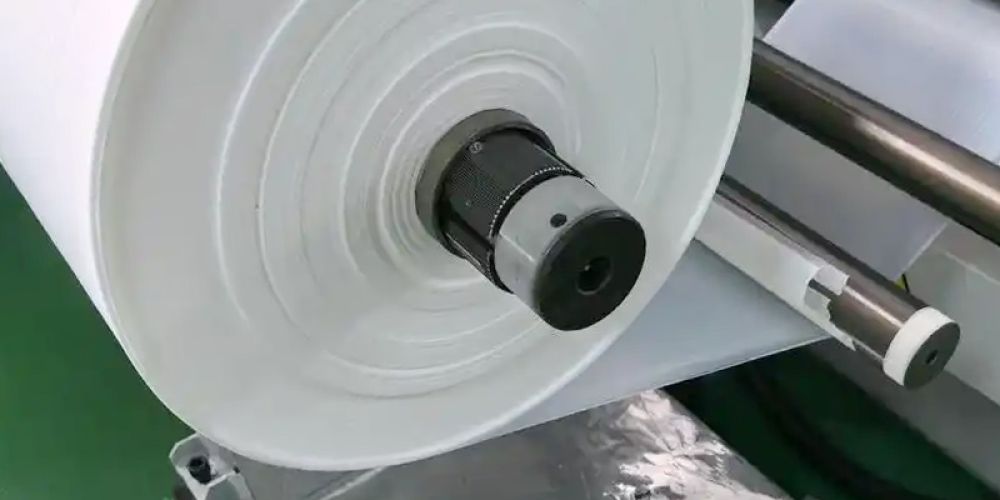
PTFE (polytetrafluoroethylene) film is a high-performance engineering plastic film renowned for its excellent chemical stability, high-temperature…
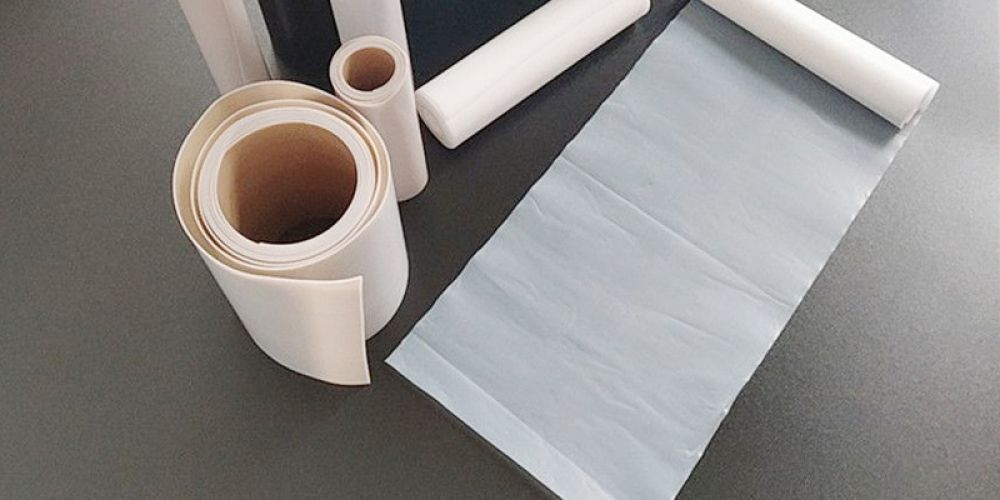
Microporous Structure Porosity exceeds 85%, with 1.4 billion micropores per square centimeter and pore sizes ranging…