
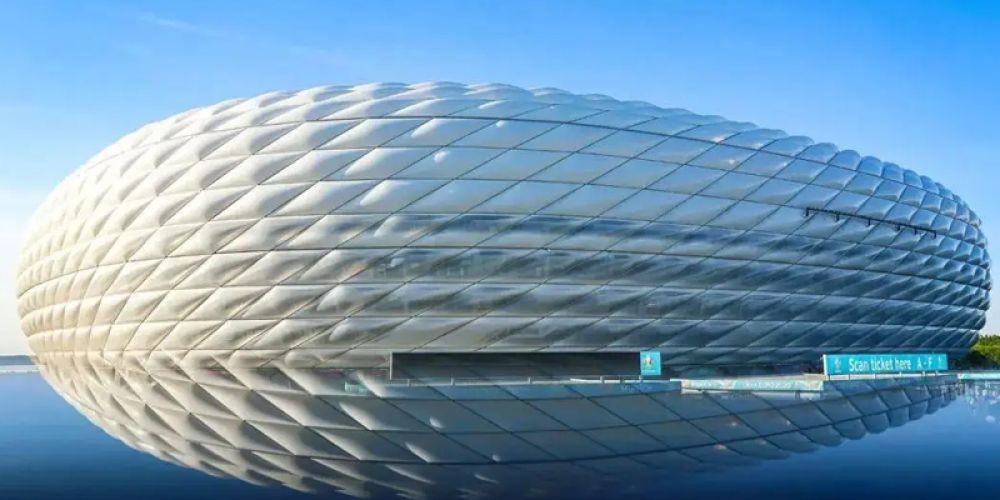
On the facade of the National Aquatics Center "Water Cube" at the 2008 Beijing Olympics, a lightweight and transparent material created a stunning visual effect. This material is ETFE membrane, which has now become an indispensable innovative element in modern architecture, hailed as a "second skin" for buildings.
ETFE (ethylene tetrafluoroethylene copolymer) membrane is a high-performance fluoropolymer film, originally developed by DuPont in the 1970s. Compared to traditional building materials, ETFE membrane has significant advantages: it weighs only 1% of glass of the same area, has a light transmittance of up to 95%, and possesses excellent weather resistance, self-cleaning properties, and chemical corrosion resistance. These characteristics make it an ideal choice for the building envelope of large-span structures.
The basic unit of an ETFE membrane structure is an air cushion system—two or three layers of ETFE membrane fixed by an aluminum alloy frame, sealed at the edges, and filled with low-pressure air to form a stable air cushion. These air cushions can automatically adjust the internal air pressure according to external climatic conditions, maintaining structural stability. The connection between the air cushions forms a continuous skin, giving the building a unique soft texture and play of light and shadow.
In terms of mechanical properties, ETFE membrane materials exhibit excellent tensile strength and ductility, capable of withstanding extreme deformation without cracking. Their service life can reach over 25 years, requiring virtually no maintenance. More uniquely, ETFE films can control solar radiation through surface printing patterns or adjusting transparency, achieving energy efficiency in buildings. For example, the ETFE membrane structure of the Allianz Arena in Munich can change its exterior color according to different events, becoming a model of the integration of architecture and technology.
The application scope of ETFE membrane structures has expanded from sports stadiums to commercial complexes, transportation hubs, ecological greenhouses, and many other fields. The "Eden Project" ecological greenhouse in Cornwall, UK, uses ETFE air cushions as its enclosure structure, creating a large, suitable environment for plant growth; Singapore Changi Airport's "Jewel Changi Airport" combines an ETFE membrane roof with an indoor forest, creating a unique travel experience.
From a technological development perspective, innovation in ETFE membrane structures never stops. In recent years, researchers have begun exploring the integration of photovoltaic cells into ETFE films, developing "smart membrane materials" capable of generating electricity; progress has also been made in the research and development of self-healing ETFE materials, which can automatically repair minor damage through their inherent properties. Furthermore, the application of parametric design and digital manufacturing technologies enables ETFE membrane structures to achieve more complex curved forms, expanding the possibilities of architectural design.
ETFE membrane structures not only change the appearance of buildings but also redefine the functional boundaries of building skins. They are no longer passive barriers isolating the interior and exterior but rather active interfaces capable of responding to environmental changes, regulating indoor climate, and even generating energy. This lightweight yet powerful material is shaping the face of contemporary architecture in its unique way, foreshadowing a more flexible and sustainable architectural future.
.jpg)
In the construction field, the heat-sealing production methods for different new membrane materials vary depending on…
.jpg)
In the construction field, the heat-sealing of PVDF membrane materials is mainly achieved through processes such…
.jpg)
Due to its unique molecular structure and excellent overall performance, PVDF (polyvinylidene fluoride) membrane material is…
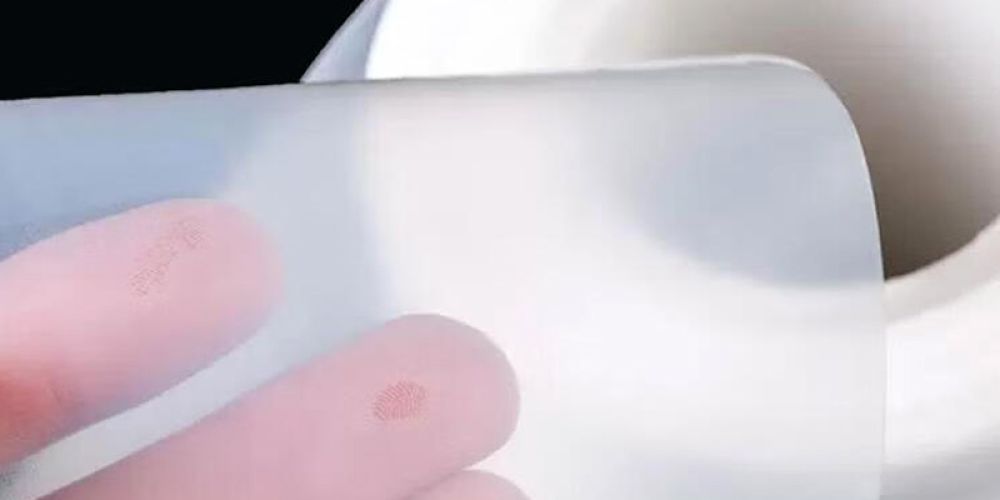
Chemical Inertness: Virtually unreactive with almost all chemical substances; resistant to acids, alkalis, and organic solvents…
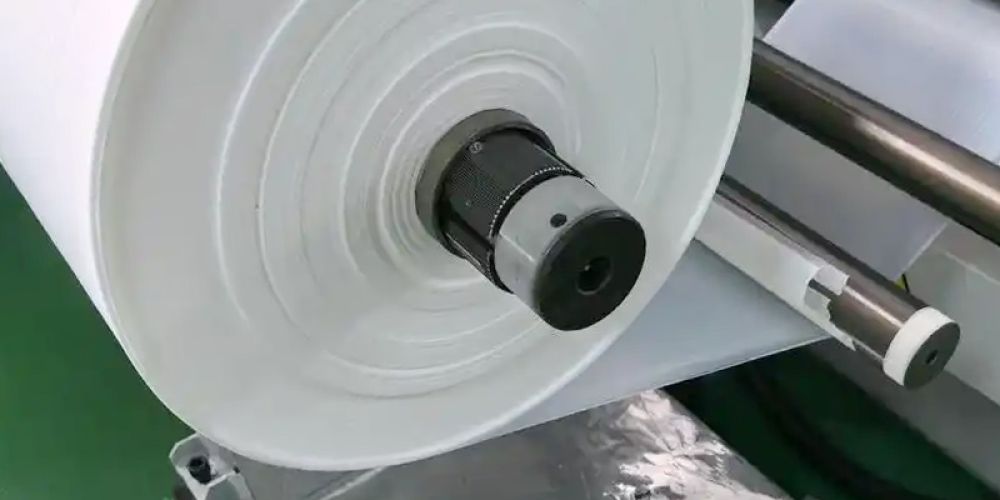
PTFE (polytetrafluoroethylene) film is a high-performance engineering plastic film renowned for its excellent chemical stability, high-temperature…
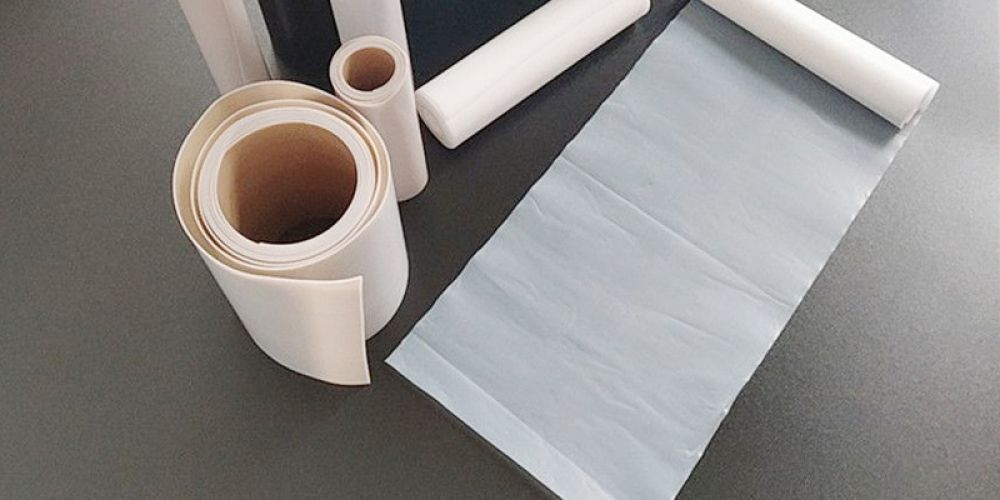
Microporous Structure Porosity exceeds 85%, with 1.4 billion micropores per square centimeter and pore sizes ranging…