
.jpg)
The exterior walls and roof of the Allianz Arena in Munich, Germany, primarily utilize a material called ETFE membrane structure.
ETFE stands for Ethylene-Tetrafluoroethylene, an advanced polymer architectural membrane material. Its core characteristics include:
- Lightweight and High-Strength: ETFE membranes are extremely thin (typically 0.1-0.35 mm thick), weighing only about 1% of traditional glass, yet possessing a tensile strength of up to 52 N/mm².
- High Light Transmittance: With a light transmittance of up to 95%, it provides ample natural light to the stadium interior.
- Self-Cleaning and Durability: Its smooth surface provides self-cleaning capabilities, and it has a lifespan of 25-35 years, while being 100% recyclable.
- Air Cushion Structure: The membrane material is typically used in the form of multi-layered inflatable cushions (air cushions). By adjusting the air pressure, light transmittance and thermal insulation performance can be controlled, achieving a thermal conductivity (K-value) of up to 2.0 W/m²K.
The Allianz Arena's exterior walls are composed of 2,874 diamond-shaped ETFE membrane structure units. These units change color at night through an internal LED lighting system: red for Bayern Munich home games, blue for 1860 Munich matches, and white for German national team matches, turning the stadium into a giant "color-changing beacon."
Furthermore, the ETFE membrane structure possesses fire-resistant, waterproof, and thermal insulation properties, maintaining a constant internal pressure of 350 Pascals to ensure structural stability. The large-scale application of this material in the Allianz Arena makes it the world's first large-scale sports stadium to use ETFE as its primary exterior wall material, and a landmark project marking the first large-scale application of polymer membrane materials in the construction field.
.jpg)
In the construction field, the heat-sealing production methods for different new membrane materials vary depending on…
.jpg)
In the construction field, the heat-sealing of PVDF membrane materials is mainly achieved through processes such…
.jpg)
Due to its unique molecular structure and excellent overall performance, PVDF (polyvinylidene fluoride) membrane material is…
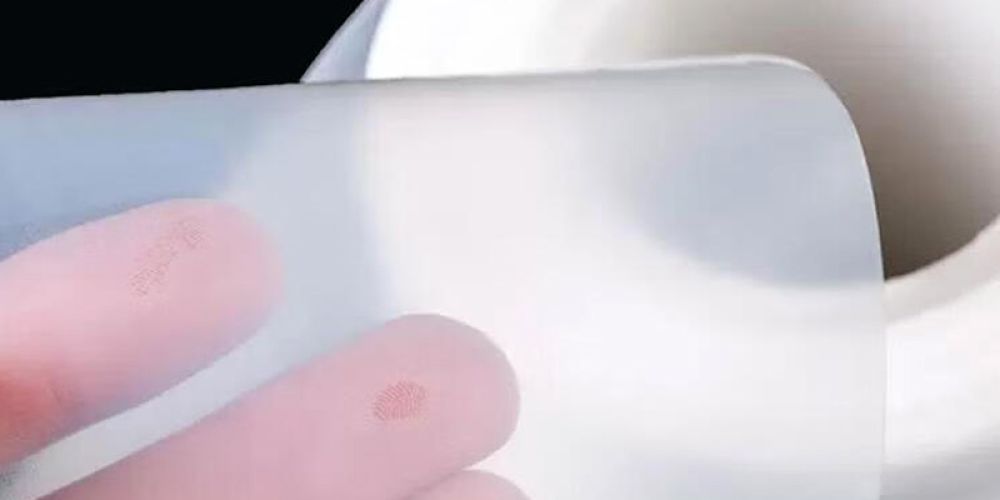
Chemical Inertness: Virtually unreactive with almost all chemical substances; resistant to acids, alkalis, and organic solvents…
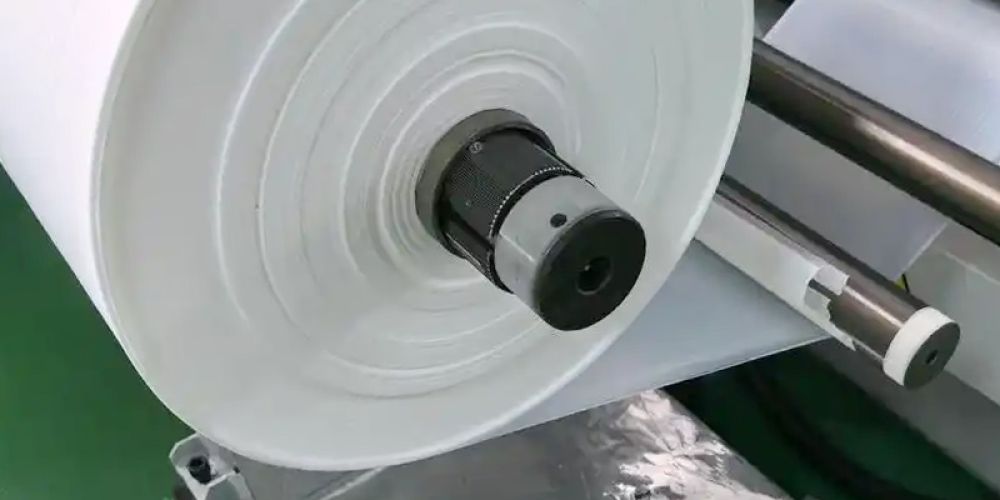
PTFE (polytetrafluoroethylene) film is a high-performance engineering plastic film renowned for its excellent chemical stability, high-temperature…
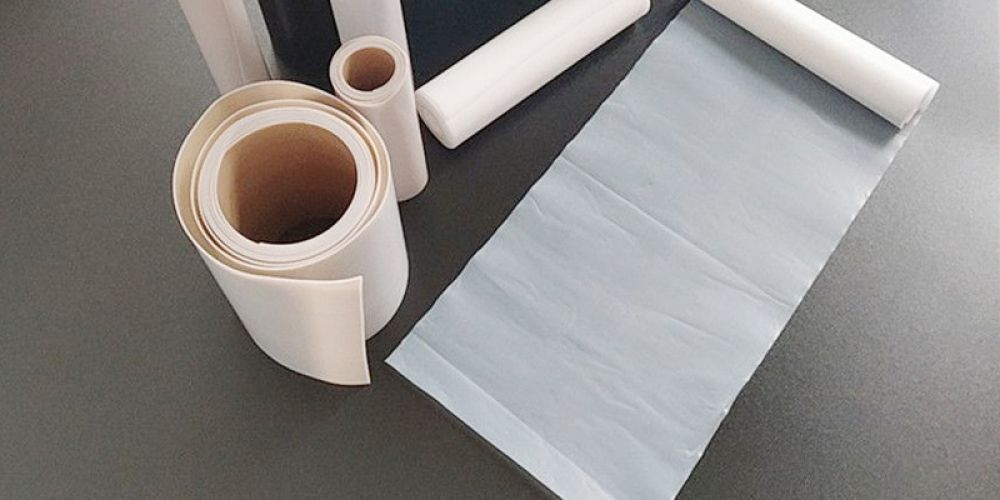
Microporous Structure Porosity exceeds 85%, with 1.4 billion micropores per square centimeter and pore sizes ranging…