
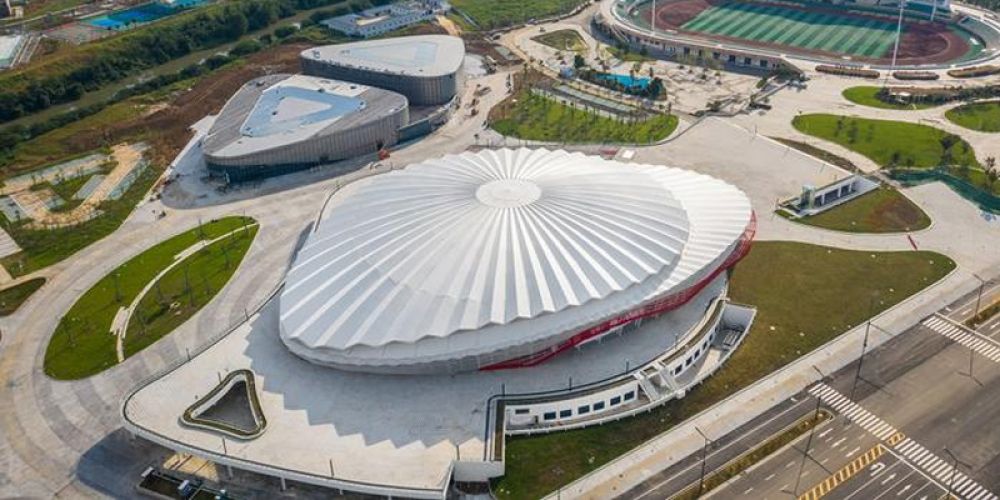
In membrane structure architecture, heat-sealing technology for PTFE membrane materials is a critical process for ensuring structural performance and functionality. This technology is outlined below in terms of application scenarios, technical advantages, and typical case studies:
Application Scenarios
Membrane splicing and edge sealing: Since individual rolls of PTFE membrane material have limited widths (typically 3–5 meters), heat-sealing is required to join them into large-area coverings (such as stadium roofs spanning over 100 meters). Edge sealing prevents rainwater infiltration and air leakage, which is particularly crucial for maintaining the pressure stability of pneumatic membrane structures.
Technical Advantages
High weld strength: PTFE membrane materials exhibit high strength after welding.
Excellent airtightness: Capable of meeting the continuous pressure requirements of pneumatic membrane structures.
Weather resistance and self-cleaning properties: PTFE membranes are fire-resistant, UV-resistant, and age-resistant, typically offering a service life of over 25 years.
Typical Case Study
Shanghai Stadium (formerly known as the "80,000-Person Stadium"): This project marked the first use of PTFE membrane material for a large-scale permanent structure (completed in 1997). It features a saddle-shaped cantilevered roof covering an area of 36,000 square meters.
In summary, through precise process control, PTFE membrane heat-sealing technology resolves the challenges of splicing and sealing in membrane architecture, successfully combining functionality with aesthetic appeal.
.jpg)
In the construction field, the heat-sealing production methods for different new membrane materials vary depending on…
.jpg)
In the construction field, the heat-sealing of PVDF membrane materials is mainly achieved through processes such…
.jpg)
Due to its unique molecular structure and excellent overall performance, PVDF (polyvinylidene fluoride) membrane material is…
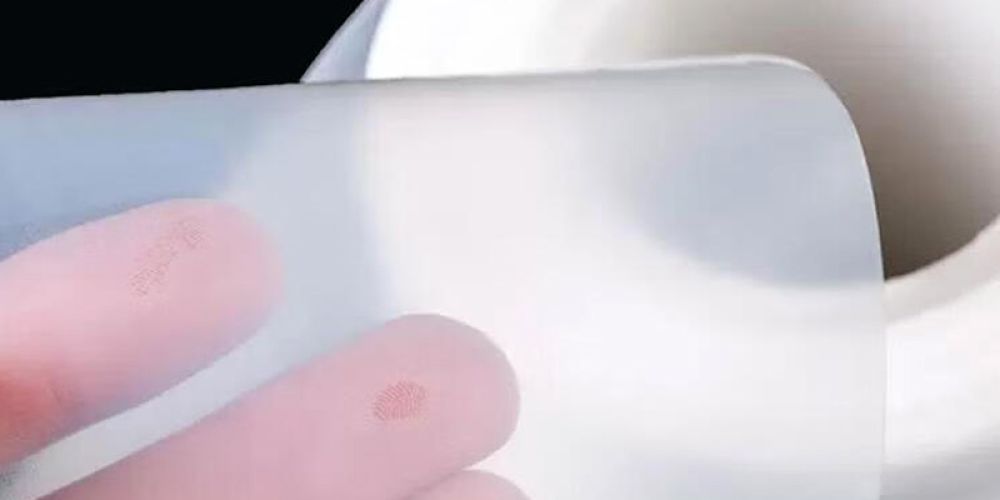
Chemical Inertness: Virtually unreactive with almost all chemical substances; resistant to acids, alkalis, and organic solvents…
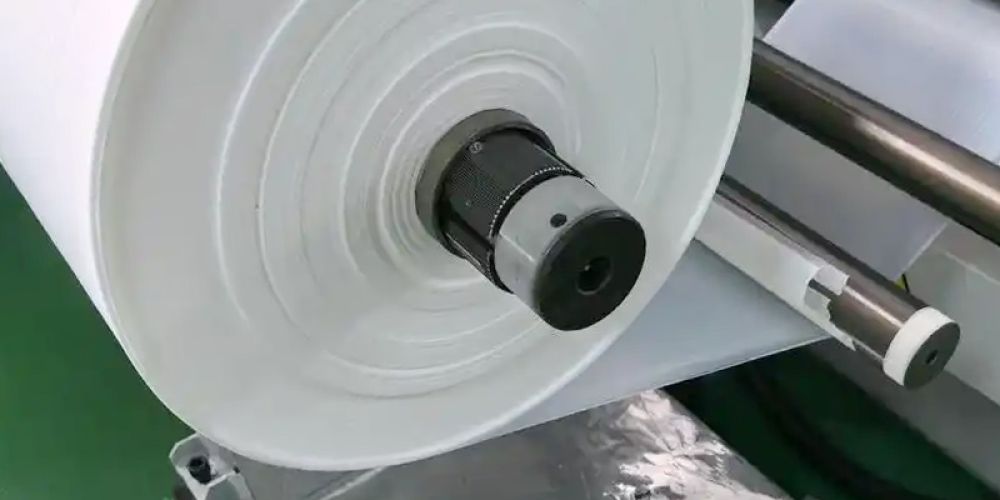
PTFE (polytetrafluoroethylene) film is a high-performance engineering plastic film renowned for its excellent chemical stability, high-temperature…
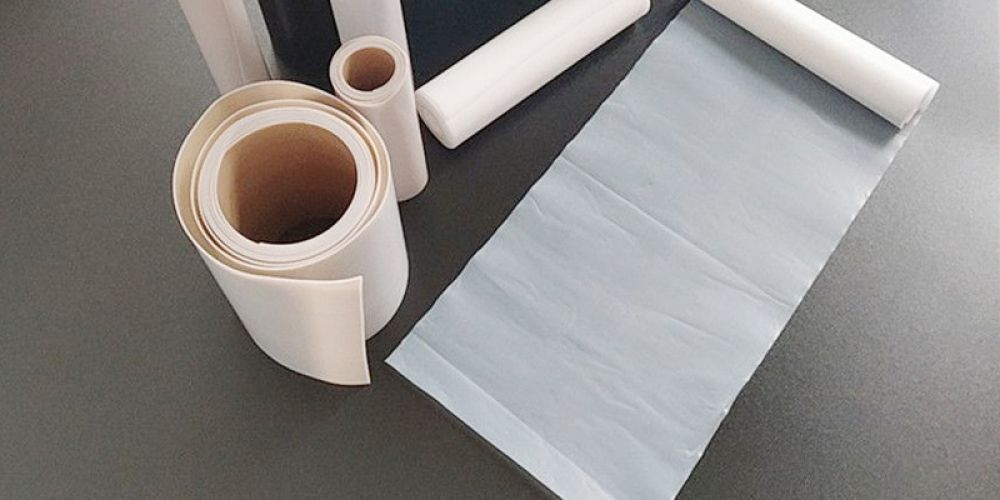
Microporous Structure Porosity exceeds 85%, with 1.4 billion micropores per square centimeter and pore sizes ranging…