
.jpg)
Both ETFE and PTFE are highly durable materials, but in terms of overall durability, PTFE exhibits superior stability in extreme environments, while ETFE boasts a longer lifespan and easier maintenance under normal climatic conditions.
The "durability" you're concerned about actually encompasses multiple dimensions: anti-aging, temperature resistance, corrosion resistance, and mechanical strength. Considering Shanghai's humid, rainy, and occasionally salty fog climate, let's break it down in detail:
I. Weather Resistance and Anti-aging: PTFE has a slight advantage
PTFE: Its molecular structure is a perfluorocarbon chain, making it extremely chemically inert and almost unreacted to any substance. Long-term exposure to ultraviolet light, moisture, and ozone results in minimal performance degradation, with weather resistance exceeding 30 years. It also remains stable in coastal high-salt-fog environments.
ETFE: Although it has high light transmittance and good self-cleaning properties, its copolymer structure may exhibit slight yellowing under continuous strong ultraviolet radiation. While this does not affect mechanical properties, its aging rate is slightly faster than PTFE under extreme climatic conditions.
✅ Conclusion: If the project is located in a near-shore area, PTFE has stronger resistance to salt spray and UV rays, making it more durable.
II. Temperature Resistance: PTFE is the clear winner
PTFE: Continuous operating temperature range is -80℃ to 260℃, and it can withstand short-term high temperatures of 300℃, making it suitable for high-temperature conditions (such as equipment heat dissipation areas).
ETFE: Operating temperature is -100℃ to 150℃, and it begins to soften above 180℃, making it unsuitable for high-temperature environments.
✅ Conclusion: If there are localized high-temperature heat sources in the building structure (such as equipment rooms or areas with concentrated sunlight), PTFE is more heat-resistant and safer.
III. Mechanical Strength and Impact Resistance: ETFE is superior
ETFE: Tensile strength can reach 50MPa, elongation at break exceeds 300%, and it has strong tear and impact resistance, making it suitable for large-span, high-dynamic-load structures.
For example, the ETFE air cushions in the "Water Cube" can withstand hail impacts without breaking.
PTFE: While strong, it is relatively brittle and exhibits a "cold flow" phenomenon (slowly deforming under prolonged pressure), requiring higher precision in construction.
✅ Conclusion: If the structure needs to withstand wind vibration, snow load, or personnel contact risks, ETFE is more robust.
IV. Self-cleaning and Maintenance Costs: ETFE Wins
ETFE: Extremely smooth surface, easily cleaned by rainwater, requiring almost no manual cleaning, resulting in extremely low maintenance costs.
PTFE: While also self-cleaning, its microporous surface may attract dust, requiring regular cleaning after long-term use to maintain light transmittance.
✅ Conclusion: In terms of ease of maintenance, ETFE is more suitable for rainy environments with complex air quality.
.jpg)
In the construction field, the heat-sealing production methods for different new membrane materials vary depending on…
.jpg)
In the construction field, the heat-sealing of PVDF membrane materials is mainly achieved through processes such…
.jpg)
Due to its unique molecular structure and excellent overall performance, PVDF (polyvinylidene fluoride) membrane material is…
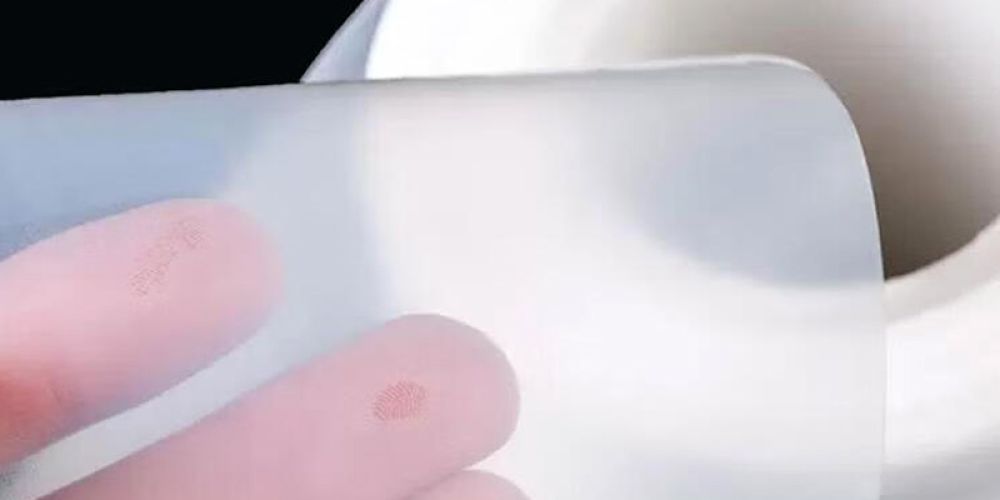
Chemical Inertness: Virtually unreactive with almost all chemical substances; resistant to acids, alkalis, and organic solvents…
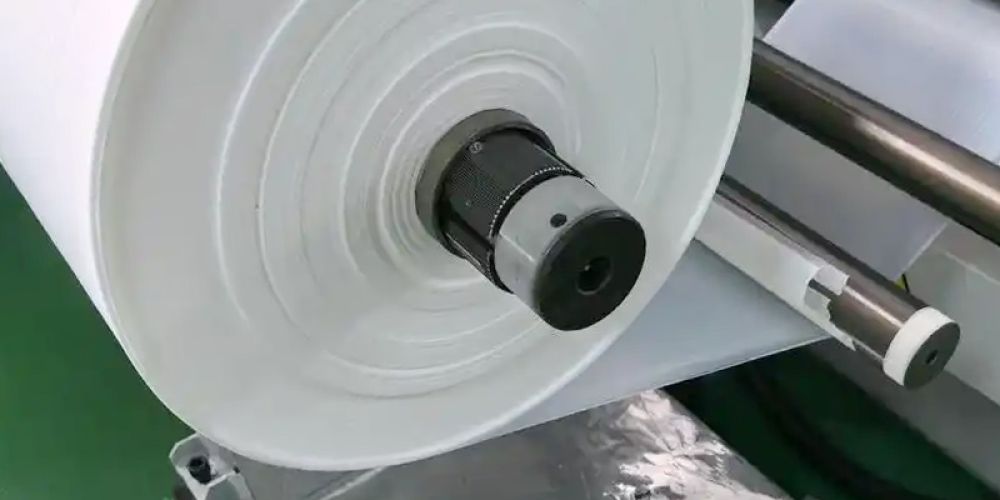
PTFE (polytetrafluoroethylene) film is a high-performance engineering plastic film renowned for its excellent chemical stability, high-temperature…
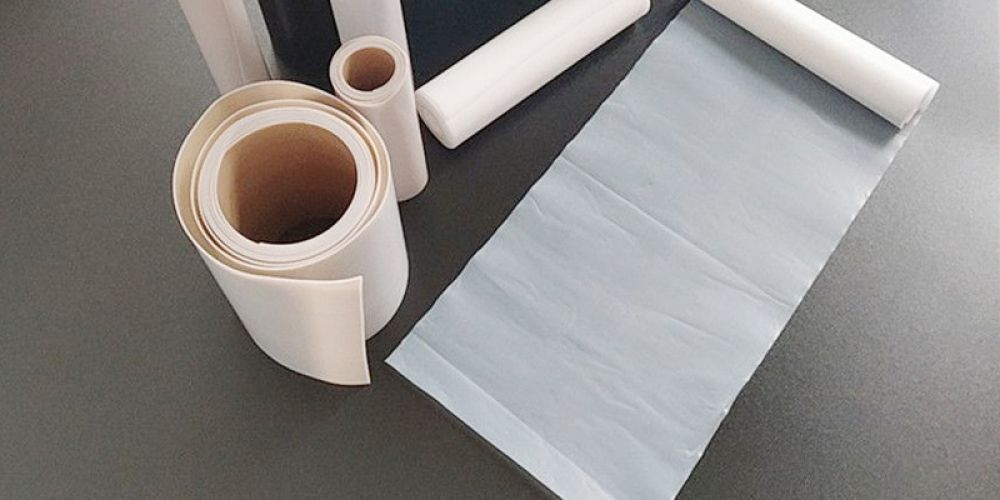
Microporous Structure Porosity exceeds 85%, with 1.4 billion micropores per square centimeter and pore sizes ranging…