
.jpg)
High-frequency (HF) welding machines for composite membrane materials utilize high-frequency electromagnetic fields to generate heat through molecular friction, enabling welding or embossing processes. They are suitable for a wide range of thermoplastic and composite materials. Key material types and specific application scenarios include:
I. Thermoplastics
PVC (Polyvinyl Chloride)
Characteristics: Flexible, highly transparent, and chemically resistant, though heat resistance is relatively low.
Applications:
Packaging: Food bags, pharmaceutical packaging, and blister-to-card sealing.
Construction: Membrane structure tents, awnings, and inflatable bounce houses.
Automotive: Seat covers, window seals, and sun visors.
TPU (Thermoplastic Polyurethane)
Characteristics: Highly elastic, wear-resistant, oil-resistant, eco-friendly, and non-toxic.
Applications:
Medical: IV bags, drainage bags, and surgical gloves.
Sports: Inflatable mattresses, swim rings, and protective sports gear.
Apparel: Waterproof/breathable fabrics and smart wearable devices.
EVA (Ethylene-Vinyl Acetate Copolymer)
Characteristics: Soft, with good cushioning properties and excellent low-temperature toughness.
Applications:
Packaging: Shoe liners and protective cushioning for electronics.
Medical: Medical dressings and hot/cold packs.
Solar Energy: Encapsulation films for photovoltaic modules.
PE (Polyethylene) & PP (Polypropylene)
Characteristics: PE is flexible and low-temperature resistant; PP is high-temperature resistant but rigid.
Applications:
Packaging: Plastic film heat sealing and food wrap.
Agriculture: Mulch film and greenhouse film.
Industry: Anti-corrosion coatings for chemical pipelines.
APET & PETG
Characteristics: APET offers high transparency; PETG is eco-friendly and degradable.
Applications:
Packaging: Cosmetic boxes and pharmaceutical trays.
Advertising: Display stands and light box inserts.
II. Composite Materials
Blended materials containing >30% PVC
Characteristics: Combine the advantages of PVC with other materials (such as nylon or polyester) to enhance strength or wear resistance.
Applications:
Industry: Conveyor belts and waterproof membranes.
Automotive: Composite layers for interior fabrics. Polyester-based Composite Materials
Characteristics: Polyester fiber substrate coated with PVC or TPU; combines strength with flexibility.
Applications:
Architecture: Tensile membrane structures, spatial membrane structures.
Outdoor: Tents, parasol fabrics.
PVDF/PVF-Coated Fabrics
Characteristics: High weather resistance and UV resistance; commonly used for high-end architectural membranes.
Applications:
Architecture: ETFE/PTFE membrane structures, stadium domes.
Aviation: Airship skin materials.
III. Specialty Functional Materials
Eco-friendly APET Film/Sheet
Characteristics: Recyclable, non-toxic, and compliant with EU RoHS standards.
Applications:
Food Packaging: Transparent boxes, blister trays.
Medical: Disposable instrument packaging.
Flexible Filament Materials
Characteristics: Fine filament-like materials requiring high-precision welding.
Applications:
Apparel: Underwear elastic bands, decorative threads for sportswear.
Medical: Catheter fixation lines, surgical sutures.
Air-cushion Membrane Materials
Characteristics: Multi-layer composite structure; inflated internally to form a cushioning structure.
Applications:
Logistics: Inflatable column bags for express packaging.
Architecture: Temporary inflatable tents, inflatable disaster-relief cushions.
.jpg)
In the construction field, the heat-sealing production methods for different new membrane materials vary depending on…
.jpg)
In the construction field, the heat-sealing of PVDF membrane materials is mainly achieved through processes such…
.jpg)
Due to its unique molecular structure and excellent overall performance, PVDF (polyvinylidene fluoride) membrane material is…
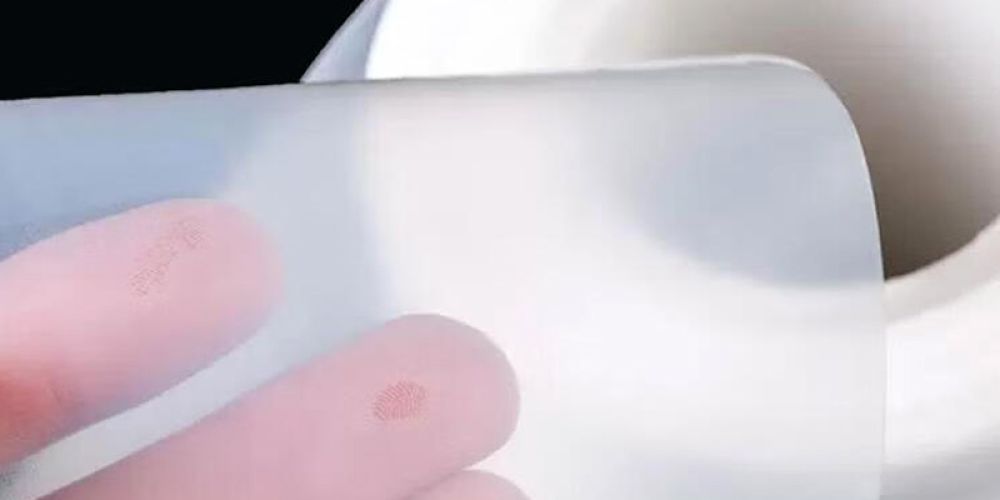
Chemical Inertness: Virtually unreactive with almost all chemical substances; resistant to acids, alkalis, and organic solvents…
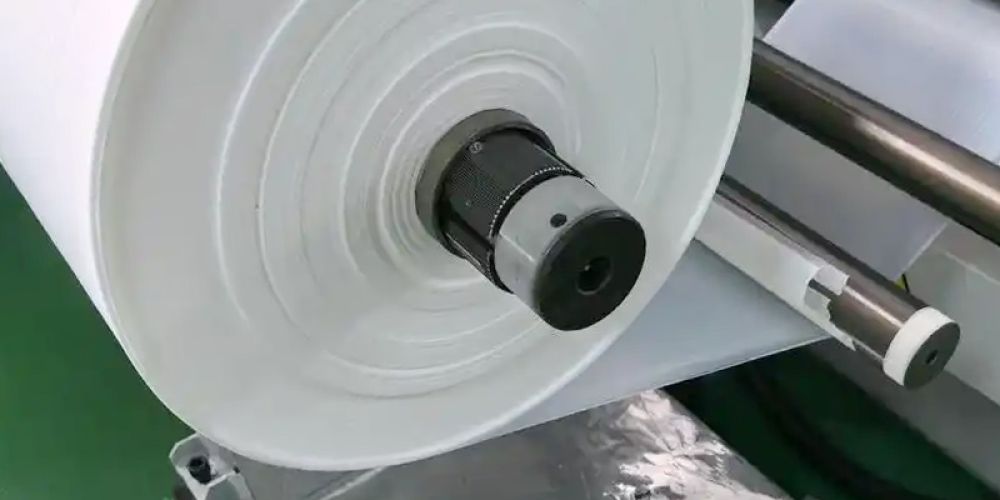
PTFE (polytetrafluoroethylene) film is a high-performance engineering plastic film renowned for its excellent chemical stability, high-temperature…
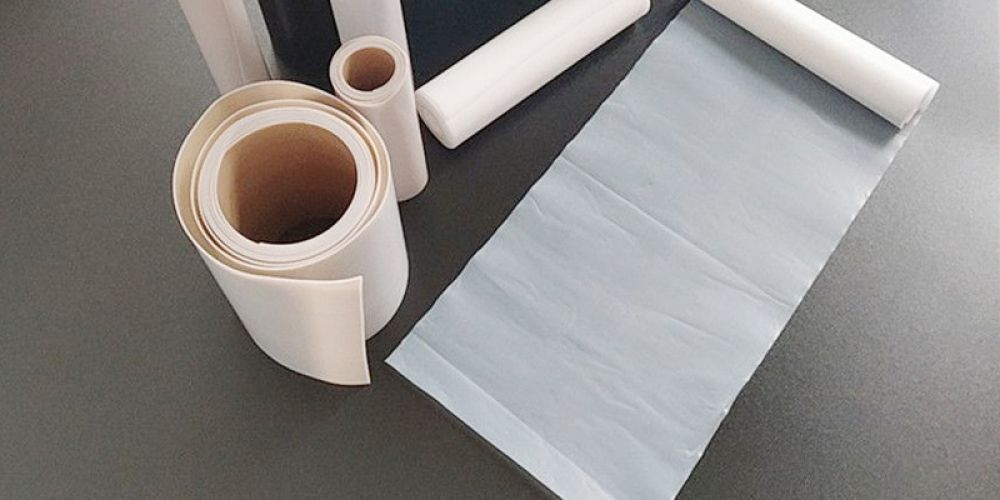
Microporous Structure Porosity exceeds 85%, with 1.4 billion micropores per square centimeter and pore sizes ranging…