
.jpg)
Membrane structure joining is achieved through advanced technologies such as high-frequency welding machines. It offers significant advantages—including high efficiency, environmental friendliness, and aesthetic appeal—and is widely used in large-scale architecture, public facilities, and temporary structures. Below is a detailed overview of its specific applications:
**Scope of Application for Membrane Structure Joining**
**Large-scale Sports Venues and Exhibition Centers**
Core applications: Roof membrane structures, grandstand shading canopies, entrance marquees, etc.
Typical case: The "Bird's Nest" stadium at the Beijing Olympics utilized ETFE membrane joining, achieving high welding efficiency and strong seams.
**Transportation Hubs and Public Facilities**
Application scenarios: Airport terminals, railway stations, light rail platform shading, etc.
Advantages: Welded seams offer high wind-pressure resistance and withstand harsh outdoor environments.
**Commercial and Cultural Buildings**
Core applications: Shopping mall atriums, theater roofs, exhibition hall membrane structures, etc.
Design flexibility: Supports curved and irregular shapes, meeting architects' creative requirements.
**Temporary Structures and Emergency Facilities**
Application scenarios: Post-disaster temporary housing, medical tents, event marquees, etc.
Advantages: Fast welding speeds allow for rapid assembly and robust structural integrity.
**Environmental and Landscape Engineering**
Core applications: Wastewater treatment plant covers, artificial lake impermeable liners, landscape shading canopies, etc.
Environmental friendliness: The welding process is pollution-free and meets environmental standards.
**Industrial and Logistics Sectors**
Application scenarios: Warehouse air-supported structures, logistics tents, industrial belt welding, etc.
Advantages: High weld strength, suitable for demanding industrial environments.
**Specialized Environments**
Polar regions and deserts: Excellent seam sealing prevents erosion from wind and sand, as well as low-temperature brittleness in polar climates.
Offshore platforms: Resistant to salt spray corrosion; seams offer strong resistance to seawater penetration.
.jpg)
In the construction field, the heat-sealing production methods for different new membrane materials vary depending on…
.jpg)
In the construction field, the heat-sealing of PVDF membrane materials is mainly achieved through processes such…
.jpg)
Due to its unique molecular structure and excellent overall performance, PVDF (polyvinylidene fluoride) membrane material is…
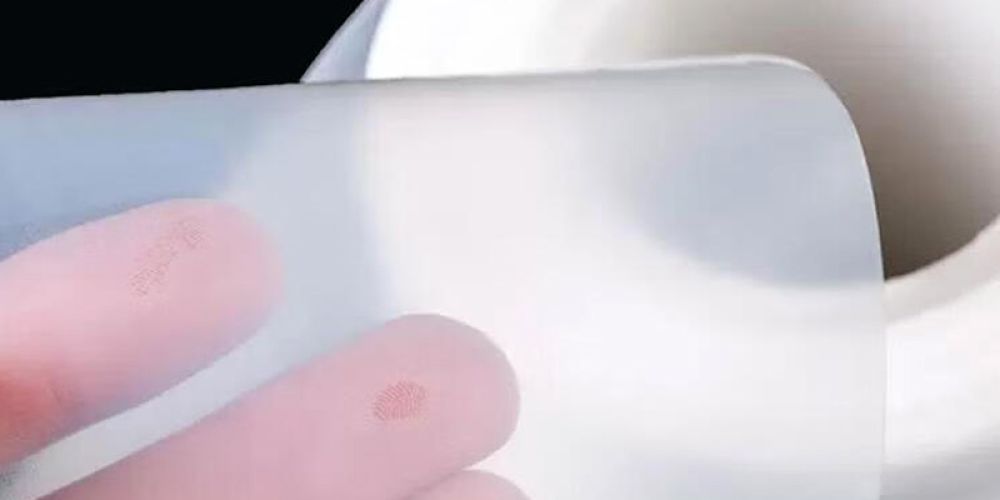
Chemical Inertness: Virtually unreactive with almost all chemical substances; resistant to acids, alkalis, and organic solvents…
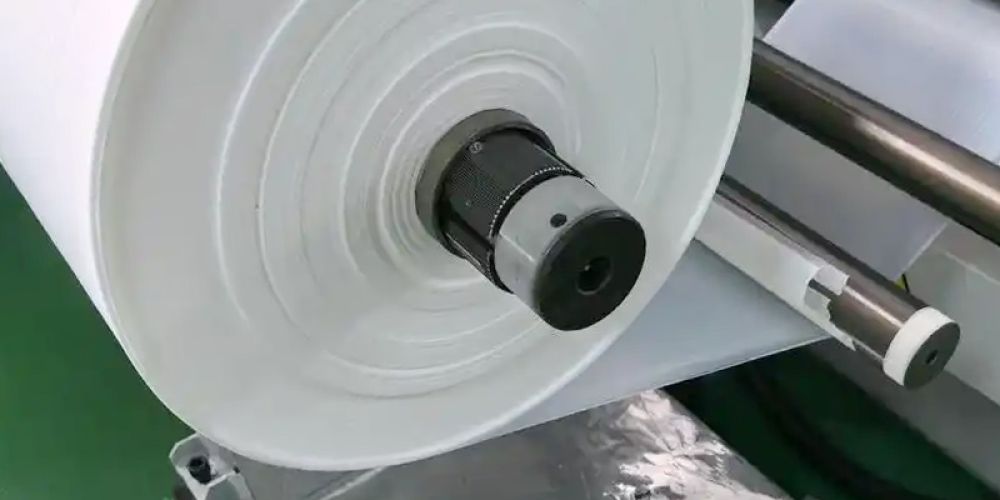
PTFE (polytetrafluoroethylene) film is a high-performance engineering plastic film renowned for its excellent chemical stability, high-temperature…
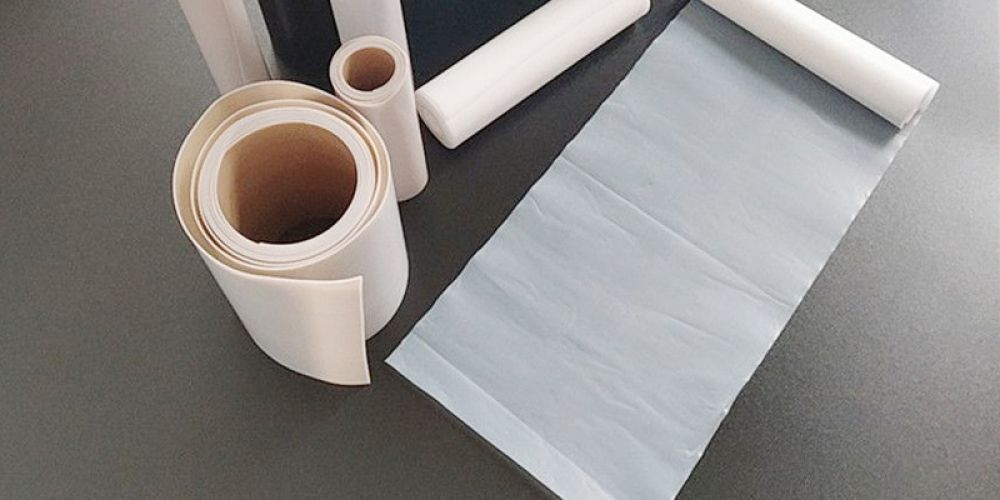
Microporous Structure Porosity exceeds 85%, with 1.4 billion micropores per square centimeter and pore sizes ranging…