
I. Typical Project Case Studies
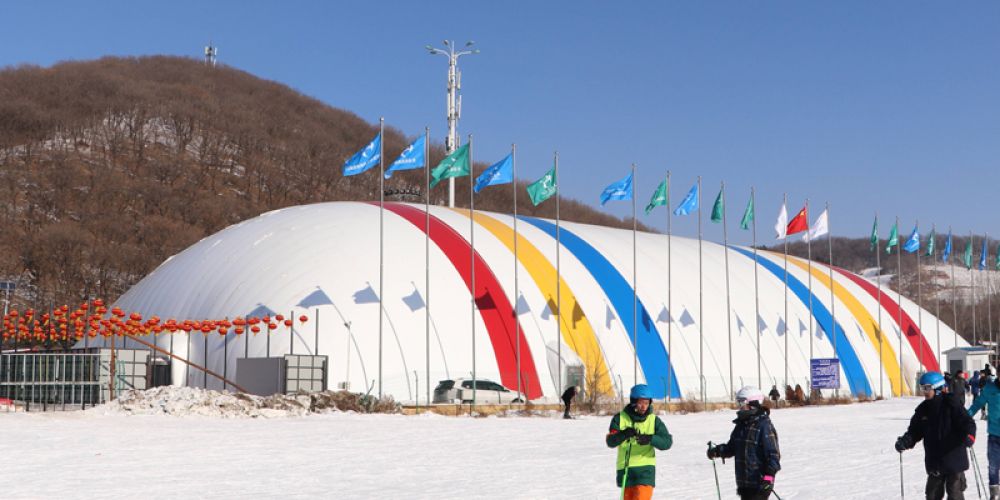
National Speed Skating Oval ("The Ice Ribbon")
Membrane Material Selection: High-transmittance ETFE membrane material was used; 12,000 diamond-shaped units were formed via heat-sealing, ensuring a curved surface precision error of ≤2mm.
Technical Highlights:
Utilization of ETFE membrane heat-sealing machines.
Structural reinforcement using "backing strips" at weld seams, enhancing wind load resistance to meet the standard for Category 12 typhoons.
Gardens by the Bay (Singapore) – Cloud Forest
Challenge: Welding membrane materials in a high-temperature, high-humidity environment; required prevention of delamination caused by condensation at the weld seams.
Solution:
Pre-heating the membrane material prior to welding to minimize thermal stress caused by temperature differences.
II. Summary of Application Experience
Environmental Adaptability Design
In cold northern regions, weld seam allowances must be increased to compensate for low-temperature contraction.
Modular Construction Optimization
Membrane structures are divided into standard units (e.g., 6m × 6m); heat-sealing and quality inspection are completed in the factory, with only on-site assembly required, reducing the construction period by over 50%.
Case Study: The membrane roof of the Qatar World Cup stadium utilized this method.
Emergency Repair Plan
Stockpiling membrane material offcuts from the same batch as the base material; localized repairs are performed using portable welding guns, keeping repair time within two hours.
.jpg)
In the construction field, the heat-sealing production methods for different new membrane materials vary depending on…
.jpg)
In the construction field, the heat-sealing of PVDF membrane materials is mainly achieved through processes such…
.jpg)
Due to its unique molecular structure and excellent overall performance, PVDF (polyvinylidene fluoride) membrane material is…
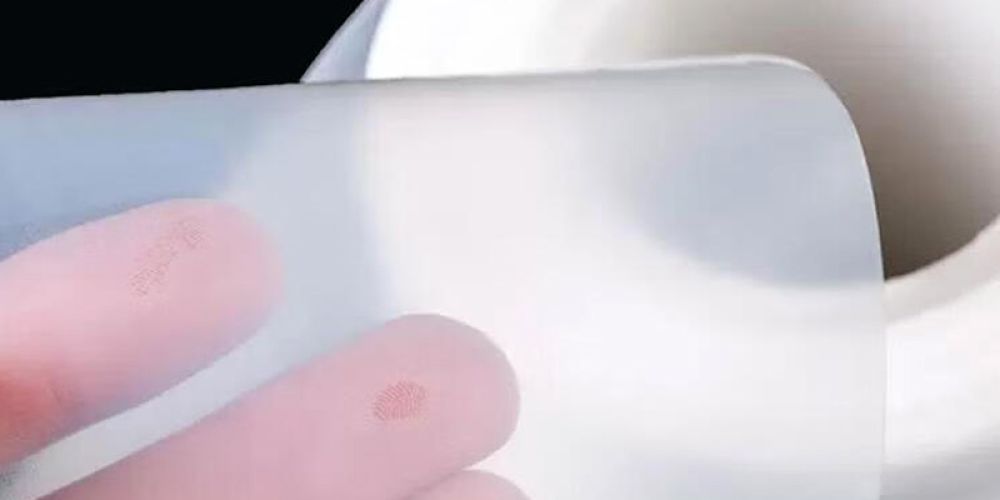
Chemical Inertness: Virtually unreactive with almost all chemical substances; resistant to acids, alkalis, and organic solvents…
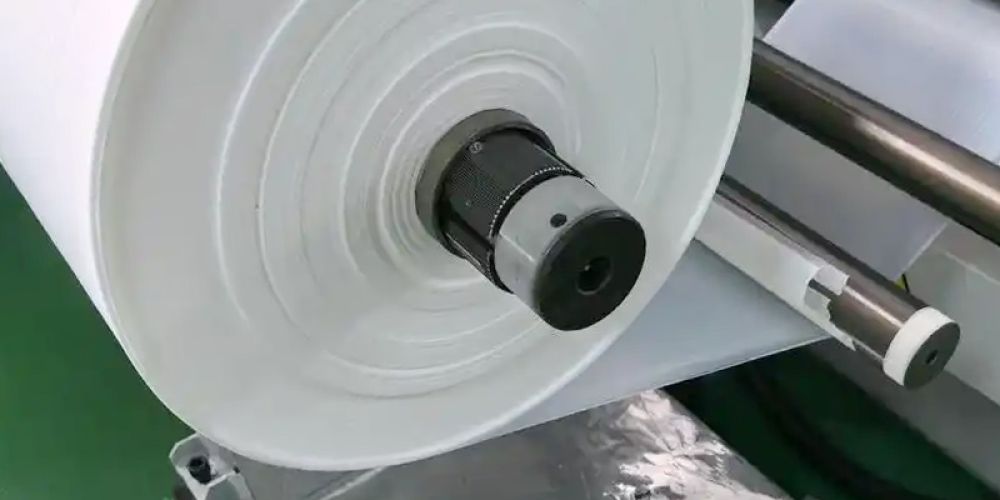
PTFE (polytetrafluoroethylene) film is a high-performance engineering plastic film renowned for its excellent chemical stability, high-temperature…
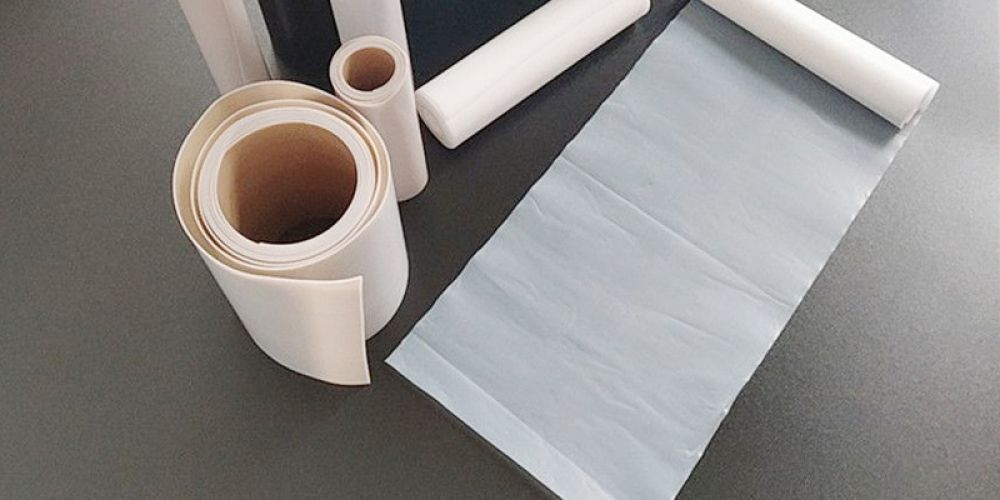
Microporous Structure Porosity exceeds 85%, with 1.4 billion micropores per square centimeter and pore sizes ranging…