
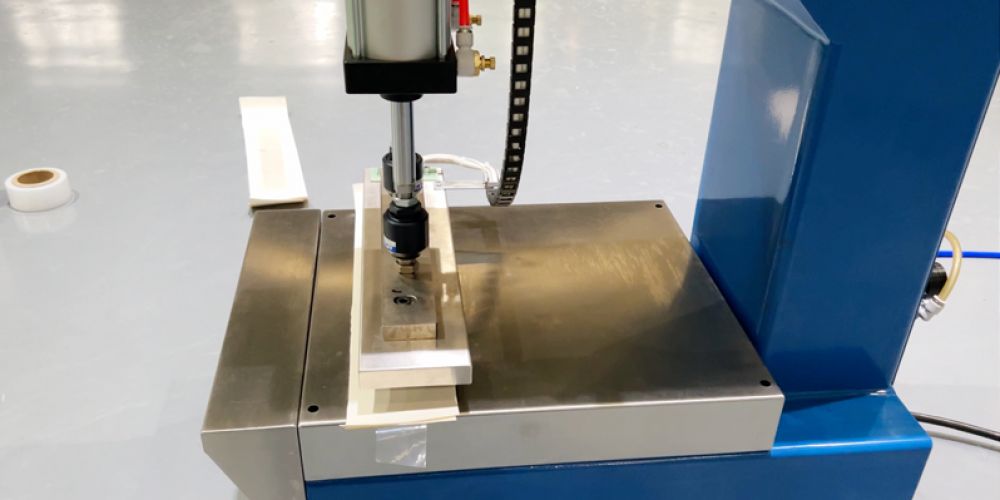
Precautions for the heat-sealing and joining of architectural membrane materials cover various aspects—including material selection, equipment operation, process control, safety measures, and post-installation maintenance—and must be strictly followed to ensure joint quality and structural safety. Specific considerations are outlined below:
I. Material Selection and Pre-treatment
Material Compatibility
Select the appropriate membrane type (e.g., PVC, PVDF, PTFE, ETFE) based on architectural requirements, ensuring that material properties (such as strength, weather resistance, and light transmission) meet design specifications.
Avoid mixing materials of different compositions or thicknesses to prevent seam cracking caused by differing thermal expansion coefficients.
Surface Cleaning
Wipe the membrane surface with a specialized cleaner (e.g., isopropyl alcohol) prior to welding to remove impurities such as oil, dust, and oxide layers, which could otherwise compromise conductivity or weld strength.
Ensure the membrane is dry to prevent moisture from vaporizing at high temperatures, which could cause porosity or a loose weld structure.
Pre-tensioning
Apply uniform pre-tension to the membrane using a tensioning device to minimize heat-sealing shrinkage, improve stress distribution at the seam, and prevent post-welding deformation.
II. Equipment Operation and Parameter Control
Equipment Calibration
Regularly inspect components such as the heat-sealer's pressing and cooling systems to ensure there is no wear, looseness, or electrical leakage.
Calibrate parameters—including power, welding time, and pressure—to match the specific membrane type (e.g., PVC membranes typically require 8 kW–25 kW of power).
Parameter Setting Principles
Temperature Control: Avoid excessive temperatures that could cause burn-through or carbonization, while ensuring temperatures are high enough for adequate fusion.
Pressure Adjustment: Adjust pressure based on membrane thickness; excessive pressure can lead to over-melting, while insufficient pressure results in weak bonding.
Welding Time: Determine the optimal welding time through testing to ensure the fusion zone bonds effectively without subjecting the material to excessive heat.
Mold Compatibility
Select or custom-fabricate molds that match the membrane's dimensions and shape to ensure uniform pressure across the weld area.
Regularly check mold surface flatness to prevent seam misalignment or uneven thickness caused by mold deformation.
III. Process Control and Quality Inspection
Welding Environment Control
Maintain a dry and well-ventilated operating environment to prevent humidity or high temperatures from adversely affecting equipment performance or membrane properties. Keep away from flammable and explosive materials.
Welding Process Monitoring
Monitor color changes in the welding zone in real-time to ensure uniform melt depth.
Avoid excessive welding speeds that result in incomplete fusion, or speeds that are too slow, causing material overheating.
Quality Inspection Standards
Visual Inspection: Welds must be smooth and free of bubbles, scorch marks, missed welds, or separation.
Strength Testing: Test weld tensile strength using a tensile testing machine.
Sealing Test: Conduct airtightness testing on the inflated membrane structure to ensure there are no leaks.
IV. Safety Protection and Operating Procedures
Personal Protection
Operators must use appropriate protective gear.
Avoid direct contact with high-temperature electrodes or molten membrane material to prevent injury.
Equipment Safety
Ensure the equipment is properly grounded to prevent electric leakage or static electricity buildup.
Check that the spark protection system is functioning correctly before welding to avoid mold damage or fire hazards.
Operating Procedures
Strictly prohibit adjusting parameters or touching electrodes while the equipment is running.
After welding, wait for the equipment to come to a complete stop before removing the workpiece or performing cleaning operations.
V. Maintenance and Storage
Equipment Maintenance
Regularly clean residue from electrodes, molds, and work surfaces to prevent corrosion or impaired conductivity.
Check cooling system water lines for obstructions to prevent equipment overheating caused by high water temperatures.
Membrane Material Storage
Store unused membrane material in a cool, dry place; avoid direct sunlight or high-temperature environments that could cause material aging.
Keep the material flat during storage; avoid folding or compression that could cause permanent deformation.
.jpg)
In the construction field, the heat-sealing production methods for different new membrane materials vary depending on…
.jpg)
In the construction field, the heat-sealing of PVDF membrane materials is mainly achieved through processes such…
.jpg)
Due to its unique molecular structure and excellent overall performance, PVDF (polyvinylidene fluoride) membrane material is…
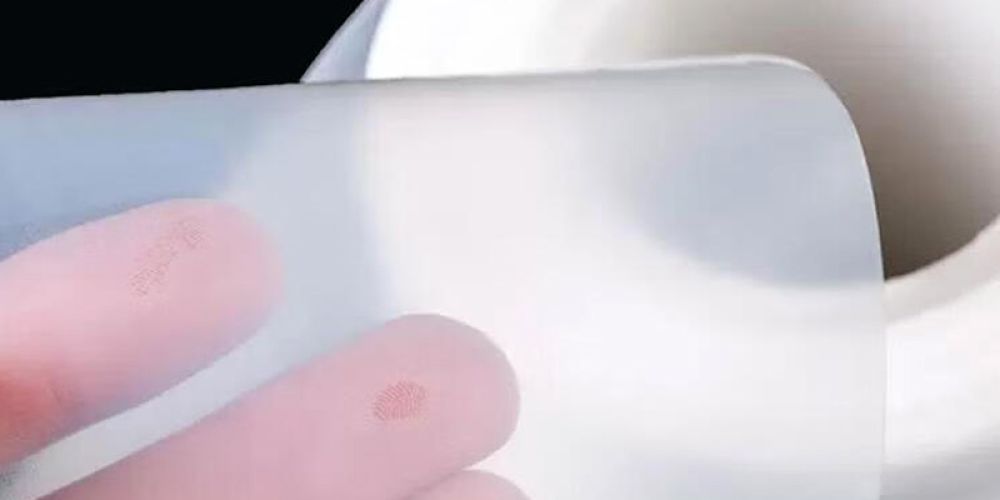
Chemical Inertness: Virtually unreactive with almost all chemical substances; resistant to acids, alkalis, and organic solvents…
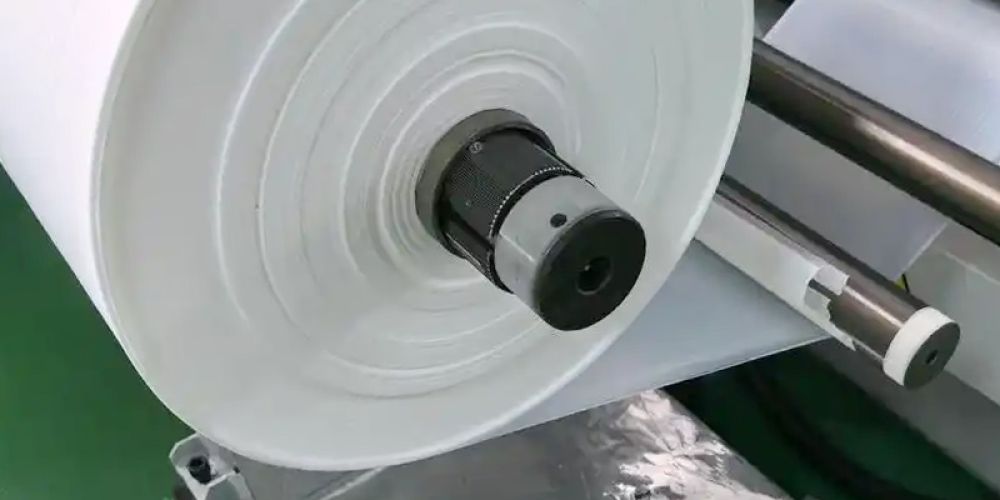
PTFE (polytetrafluoroethylene) film is a high-performance engineering plastic film renowned for its excellent chemical stability, high-temperature…
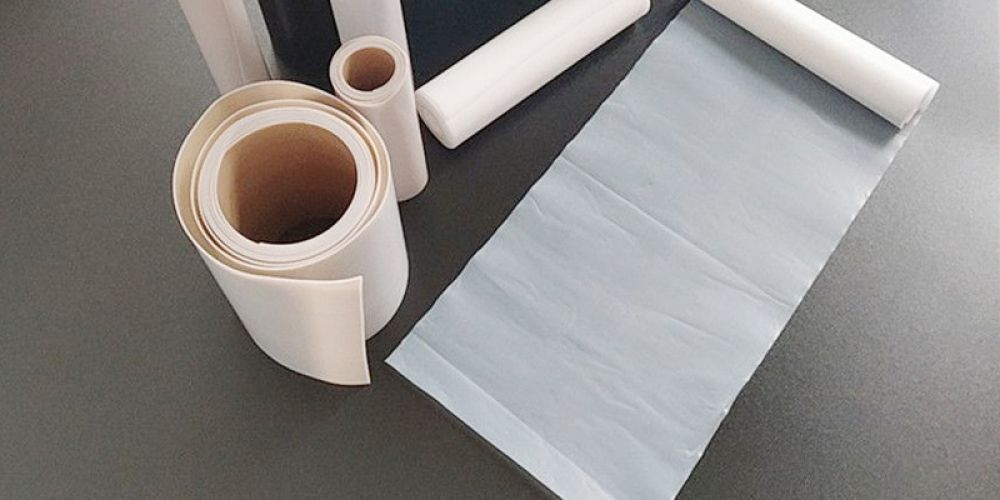
Microporous Structure Porosity exceeds 85%, with 1.4 billion micropores per square centimeter and pore sizes ranging…