
.jpg)
PVC membrane material is a multi-layered composite made by coating a base fabric with polyvinyl chloride (PVC). With a standard thickness exceeding 0.5 mm, it is lightweight, flexible, durable, and weather-resistant. It offers adjustable light transmission (4%–15%) and is waterproof and fire-retardant (meeting the B1 fire safety standard). It is widely used in the following architectural sectors:
**Commercial and Residential Roofing**
Due to ease of installation, low cost, and strong weather resistance, PVC membrane structures are frequently used for the roofs of commercial buildings (such as shopping malls and supermarkets) and residential buildings (such as villas and apartments). The adjustable light transmission (4%–15%) meets natural lighting needs while allowing for the control of indoor light intensity through variations in coating thickness.
**Sports Venues and Exhibition Centers**
PVC membrane materials are suitable for grandstand structures in sports venues, as well as temporary exhibition halls or dynamic membrane surfaces in exhibition centers. The welding strength approaches that of the base material, making it ideal for areas subject to long-term stress; furthermore, the seams are smooth and seamless, satisfying both the aesthetic and functional requirements of large-scale public buildings.
**Parking Canopies and Transportation Facilities**
Parking canopies are a primary application for PVC membrane structures, allowing for custom designs based on factors such as parking lot size and canopy height. Supported by steel frameworks, these membranes create lightweight, safe, and flexible parking spaces; their short production cycles make them suitable for rapid deployment.
**Agricultural Facilities**
In the agricultural sector, PVC membrane materials are used for greenhouses, polytunnels, and livestock housing. Their light-transmitting and thermal insulation properties improve crop growing environments and boost yields. Additionally, their corrosion resistance protects against chemical exposure common in agricultural settings, thereby extending service life.
**Urban Public Facilities**
In recent years, PVC membrane materials have increasingly been applied to urban public facilities, such as public restrooms, shading canopies for fitness areas, and waste collection enclosures. Their lightweight nature reduces transportation and construction costs, while a wide range of color options—including transparent, translucent, and colored varieties—enhances the diversity of the urban landscape.
.jpg)
In the construction field, the heat-sealing production methods for different new membrane materials vary depending on…
.jpg)
In the construction field, the heat-sealing of PVDF membrane materials is mainly achieved through processes such…
.jpg)
Due to its unique molecular structure and excellent overall performance, PVDF (polyvinylidene fluoride) membrane material is…
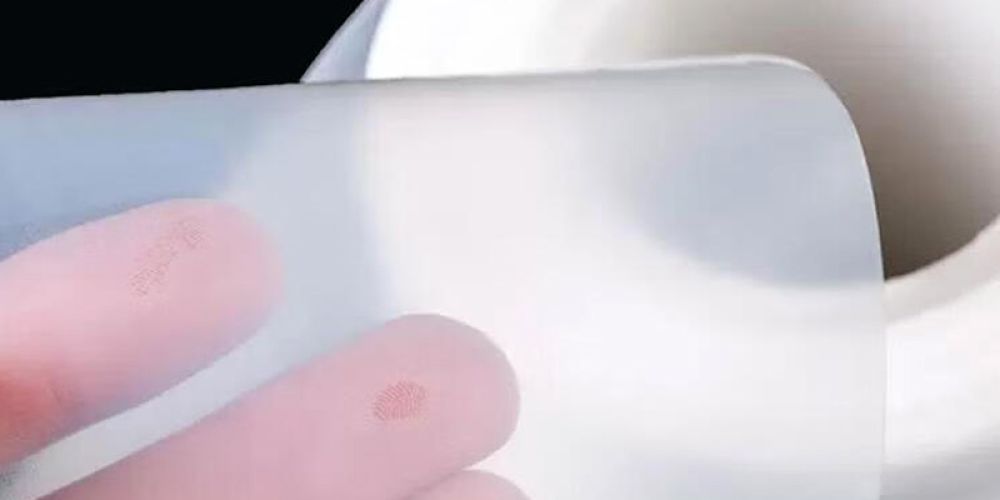
Chemical Inertness: Virtually unreactive with almost all chemical substances; resistant to acids, alkalis, and organic solvents…
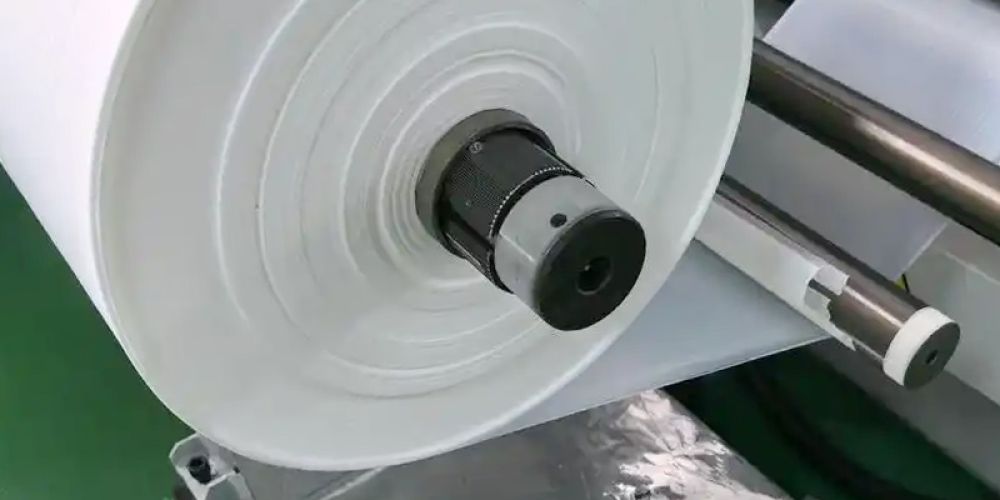
PTFE (polytetrafluoroethylene) film is a high-performance engineering plastic film renowned for its excellent chemical stability, high-temperature…
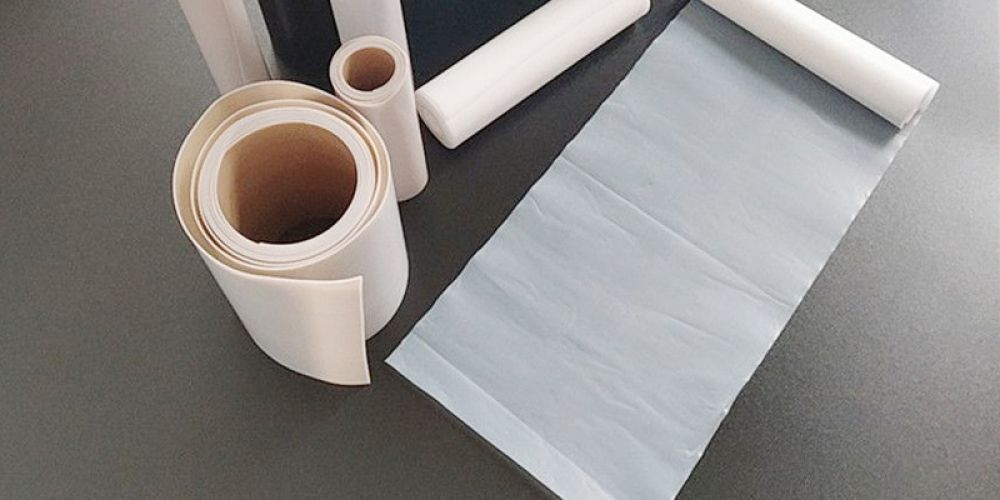
Microporous Structure Porosity exceeds 85%, with 1.4 billion micropores per square centimeter and pore sizes ranging…