
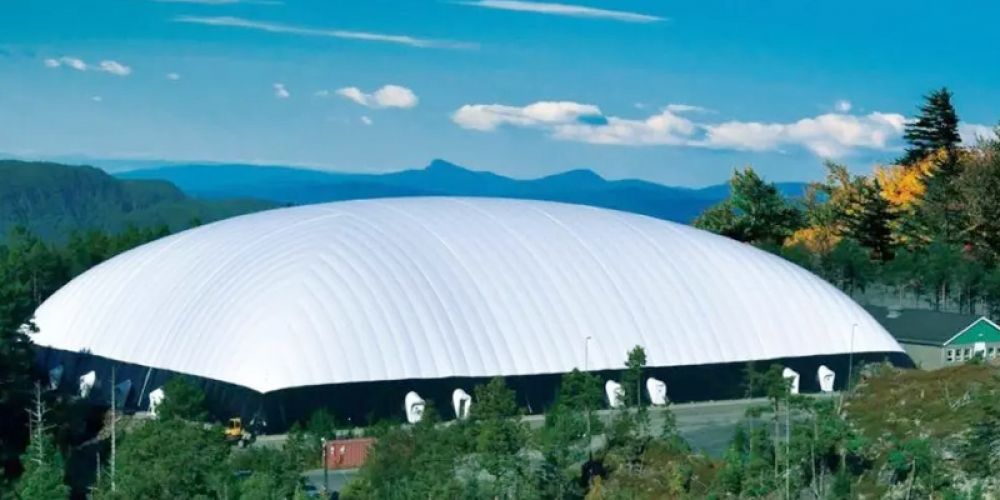
Heat-sealing and joining of architectural membrane materials is primarily achieved using high-frequency heat-sealing machines. The process works by utilizing high-frequency electromagnetic waves to induce molecular vibration within the material, generating heat that results in localized melting and bonding. Below are the detailed steps and key considerations for this process:
I. Heat-Sealing Principles
High-Frequency Electromagnetic Wave Action: The machine generates high-frequency electromagnetic waves, causing molecules within the membrane material to oscillate rapidly and generate heat, thereby facilitating the seal.
Melting and Bonding: Under applied pressure, molecular-level fusion occurs, securely joining different sections of the membrane material together.
II. Applicable Materials
PVC-based Membranes: High-frequency heat sealing is particularly suitable for thick membranes or multi-layer composite membranes.
III. Heat-Sealing Steps
Cutting and Positioning:
Cut the membrane material to the specified dimensions according to design requirements.
High-Frequency Welding:
Place the cut membrane material onto the worktable of the high-frequency heat-sealing machine.
High-frequency electromagnetic waves induce molecular vibration and heat generation at the contact points, melting the coating to create a bond.
Cooling and Inspection:
Allow the membrane material to cool to room temperature after welding.
Inspect the seam for flatness and the absence of gaps, ensuring that waterproofing performance and structural strength meet standards.
IV. Advantages of Heat-Sealing
High-Strength Connection: Seams formed via high-frequency heat sealing exhibit tensile strength comparable to—or in some cases exceeding—that of the base material itself.
Superior Sealing: The process creates a seamless connection; the resulting weld is virtually free of pinholes, ensuring excellent waterproofing performance.
Efficient Production: High-frequency heat-sealing machines offer impressive welding speeds, significantly shortening production cycles and boosting efficiency.
Excellent Weather Resistance: The aging resistance of the welded seam matches that of the membrane material itself, providing long-term durability against environmental factors such as UV radiation, temperature fluctuations, and humidity.
.jpg)
In the construction field, the heat-sealing production methods for different new membrane materials vary depending on…
.jpg)
In the construction field, the heat-sealing of PVDF membrane materials is mainly achieved through processes such…
.jpg)
Due to its unique molecular structure and excellent overall performance, PVDF (polyvinylidene fluoride) membrane material is…
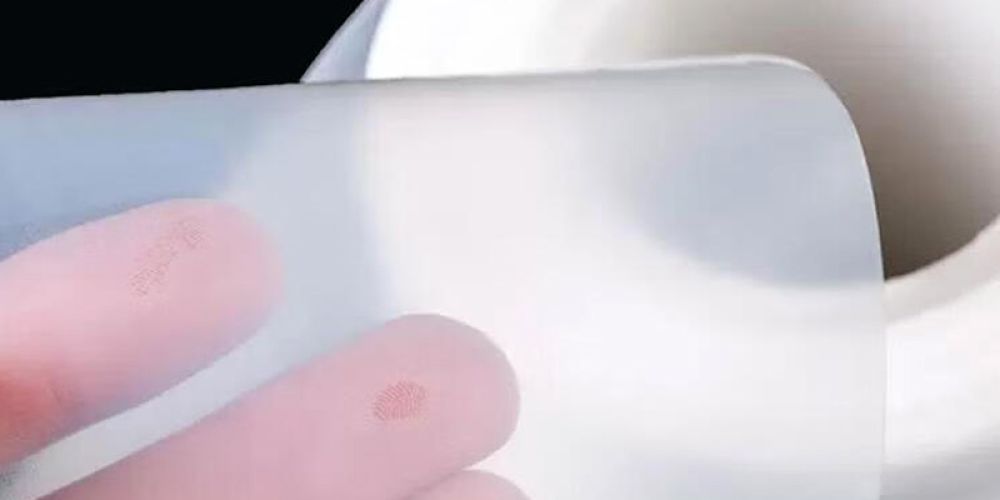
Chemical Inertness: Virtually unreactive with almost all chemical substances; resistant to acids, alkalis, and organic solvents…
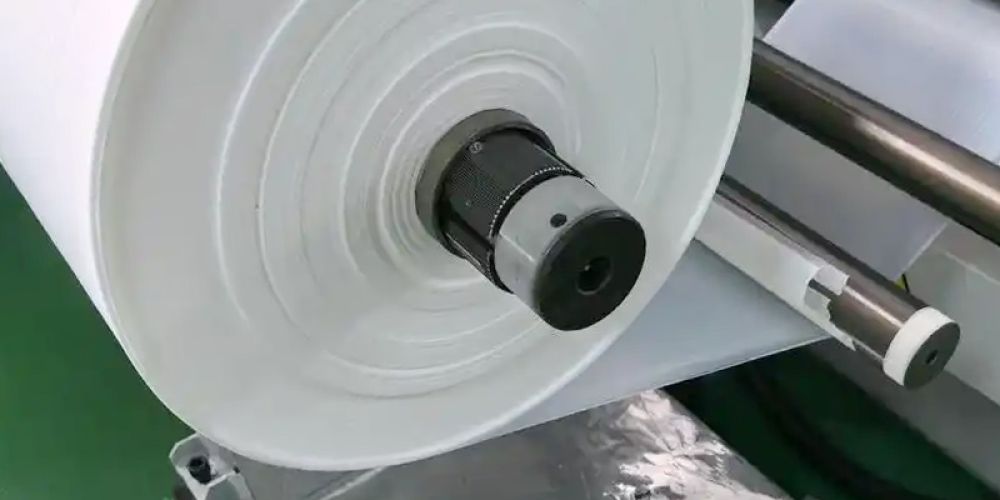
PTFE (polytetrafluoroethylene) film is a high-performance engineering plastic film renowned for its excellent chemical stability, high-temperature…
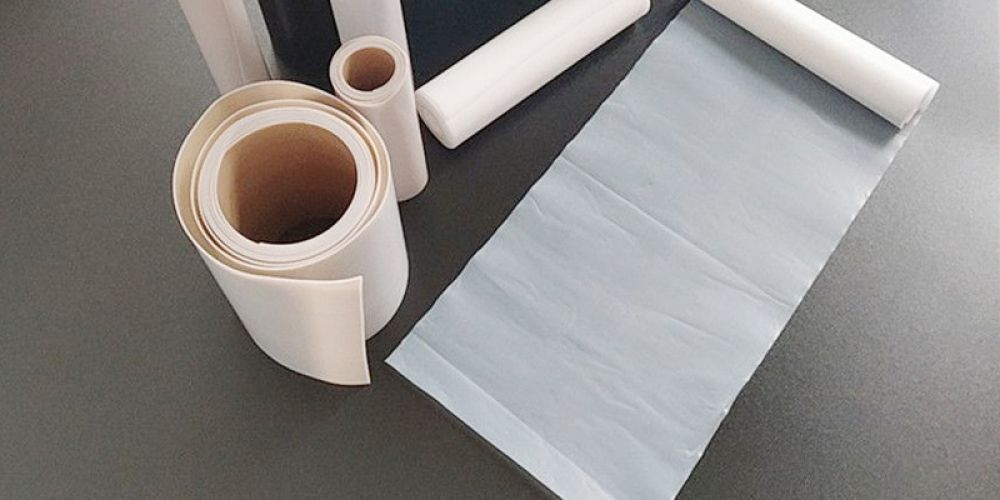
Microporous Structure Porosity exceeds 85%, with 1.4 billion micropores per square centimeter and pore sizes ranging…