
.jpg)
Membrane structure buildings are characterized by their light weight, freedom of form, high light transmission, energy efficiency, rapid construction, and safety. High-frequency heat sealing machines are commonly used to join the membrane materials. Below is a detailed introduction to the characteristics of membrane structure buildings and the equipment used for heat-sealing and joining:
Characteristics of Membrane Structure Buildings
Light weight: The self-weight of a membrane structure building is only about one-tenth that of a traditional building, significantly reducing costs associated with walls and foundations.
Freedom of form: Membrane structures break away from the constraints of purely linear architectural styles. With their unique, graceful curved surfaces and clean, crisp lines, they showcase a perfect blend of rigidity and flexibility, strength and beauty. Architects can realize creative designs featuring curves and shapes that would be difficult to achieve with traditional construction methods.
High light transmission: Membrane structures offer a certain level of light transmission, allowing for reduced artificial lighting intensity and duration during the day, thereby saving energy. Additionally, the membrane material effectively filters out the majority of ultraviolet (UV) radiation.
Energy efficiency and environmental friendliness: Membrane structures have low thermal conductivity; the thermal insulation performance of a single-layer membrane is comparable to that of a brick wall and superior to that of glass. Their translucency creates uniform, naturally diffused light within the building, reducing the need for electric lighting during the day and resulting in significant energy savings. Furthermore, the protective coating applied to the membrane surface is heat-resistant and self-cleaning, allowing the material to clean itself through the natural washing action of rainwater.
Rapid construction: Membrane materials can be prefabricated into rolls in the factory, while steel cables and structural components can also be fully processed off-site. On-site personnel simply assemble the components, drastically cutting down construction time. Compared to traditional buildings, the construction period for membrane structures can be reduced by more than 50%.
High safety: As flexible structures with low self-weight, membrane buildings can withstand significant displacement without the risk of total collapse. Moreover, the membrane materials are flame-retardant and heat-resistant, effectively meeting fire safety requirements.
Equipment used for heat-sealing membrane structures
High-frequency heat sealing machines are primarily used to join membrane materials in these structures. These machines utilize high-frequency electromagnetic waves to generate frictional heat among the molecules on the membrane surface, thereby fusing and joining the materials together. Specific equipment models and specifications vary depending on the membrane material type, thickness, and seaming requirements; common equipment includes:
PVC membrane heat-sealing machine: Suitable for seaming PVC-coated membrane materials, featuring uniform heating and strong weld integrity.
.jpg)
In the construction field, the heat-sealing production methods for different new membrane materials vary depending on…
.jpg)
In the construction field, the heat-sealing of PVDF membrane materials is mainly achieved through processes such…
.jpg)
Due to its unique molecular structure and excellent overall performance, PVDF (polyvinylidene fluoride) membrane material is…
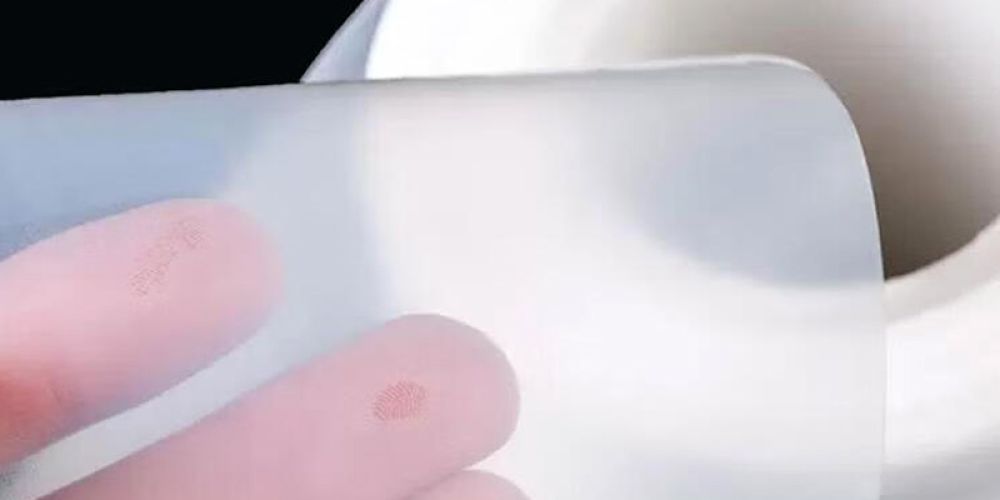
Chemical Inertness: Virtually unreactive with almost all chemical substances; resistant to acids, alkalis, and organic solvents…
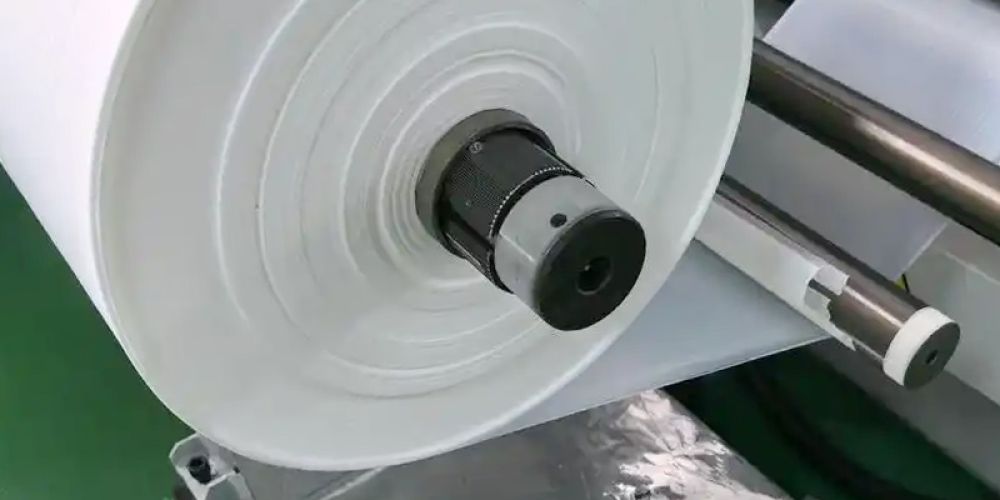
PTFE (polytetrafluoroethylene) film is a high-performance engineering plastic film renowned for its excellent chemical stability, high-temperature…
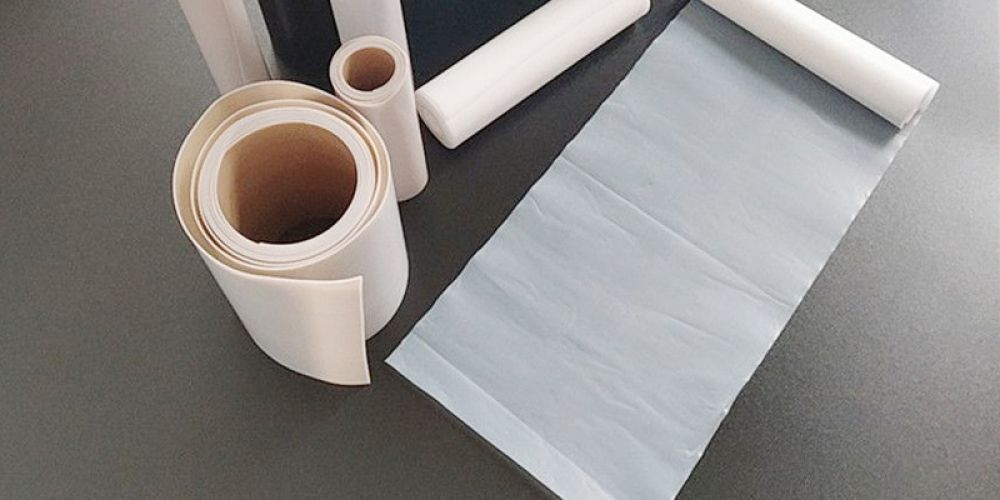
Microporous Structure Porosity exceeds 85%, with 1.4 billion micropores per square centimeter and pore sizes ranging…