
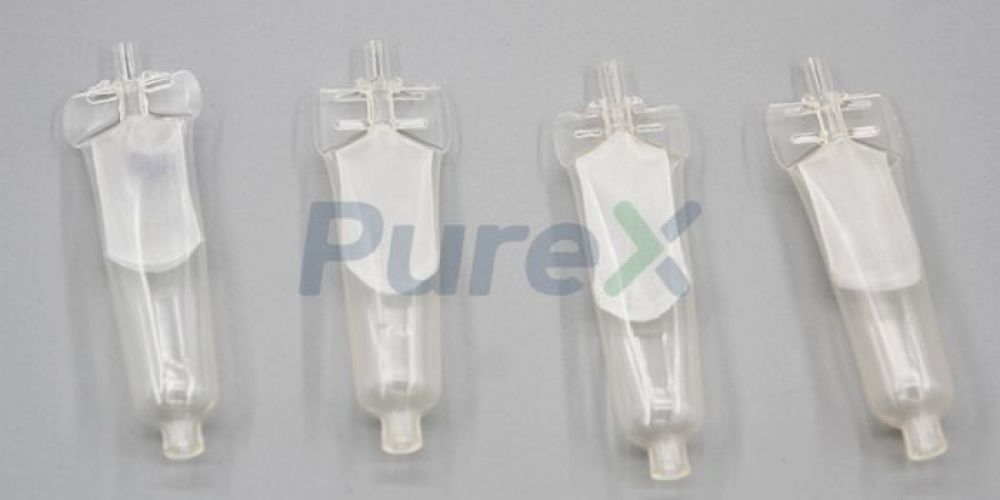
The optimized heat-sealing process for disposable blood transfusion sets demonstrates significant improvements across several areas. The key characteristics of this optimized process are detailed below:
I. Material Selection and Pre-treatment
1. Material Selection:
The optimized process prioritizes the use of medical-grade polymer materials—such as polyvinyl chloride (PVC) and polyolefin (PO)—that comply with medical device standards. These materials offer excellent biocompatibility, chemical resistance, and aging resistance, ensuring patient safety and stable performance during use.
2. Pre-treatment:
Prior to heat sealing, the connecting ends of the drip chamber and tubing undergo rigorous pre-treatment, including cutting, cleaning, and drying. These steps ensure the flatness and cleanliness of the bonding surfaces, establishing a solid foundation for the subsequent heat-sealing process.
.jpg)
II. Process Parameter Optimization
1. Heating Temperature and Duration:
Optimal heating temperature and duration ranges have been established through repeated testing and data analysis. These parameters ensure the material achieves good flowability during melting while preventing deformation or scorching caused by overheating, thereby enhancing the quality of the heat-sealed joint.
2. Pressure Control:
Applied pressure is precisely controlled during the bonding process. Appropriate pressure allows the molten material to diffuse effectively across the interface, forming a strong bond while preventing material extrusion or damage caused by excessive pressure.
III. Equipment Upgrades and Automation
1. Equipment Upgrades:
Advanced heat-sealing equipment—such as high-frequency heat sealers or sterile blood-line sealers—has been introduced. These machines enable precise control over parameters like heating temperature, duration, and pressure, thereby improving the accuracy and efficiency of the heat-sealing process.
2. Automated Production:
Production has been automated to minimize the impact of human factors on product quality. Automated control systems monitor and adjust various stages of production in real-time, ensuring consistent and stable product quality.
IV. Quality Inspection and Monitoring
1. Quality Inspection:
A comprehensive quality inspection system has been established to rigorously test components after heat sealing. Inspections include seal integrity tests and strength tests to ensure the quality of the connection meets all standard requirements. 2. Online Monitoring and Traceability:
An online monitoring and traceability system has been implemented to record and monitor key parameters during the production process in real time. This enables the rapid identification of root causes and the implementation of corrective measures when issues arise, thereby enhancing the controllability and traceability of the production process.
V. Overall Results
The optimized heat-sealing and joining process for disposable blood transfusion sets has yielded significant results in several areas:
Improved product quality: Measures such as optimizing process parameters and upgrading equipment have enhanced the sealing integrity, strength, and sterility of the transfusion sets, ensuring product safety and reliability.
Reduced production costs: Automated production has minimized manual intervention and reduced the scrap rate, leading to higher production efficiency and lower costs.
Enhanced market competitiveness: High-quality products and a stable production process have strengthened the company's market competitiveness, enabling it to better meet customer needs and gain market share.
The optimized heat-sealing and joining process for disposable blood transfusion sets demonstrates significant improvements across material selection, process parameters, equipment upgrades, quality inspection, and overall performance, delivering safer and more reliable disposable blood transfusion products to the medical sector.
The optimized heat-sealing process for disposable blood transfusion sets demonstrates significant improvements across several areas. The…
.jpg)
High-frequency heat sealing equipment, also known as high-frequency heat sealing machines or high-frequency welding machines, is…
.jpg)
High-frequency heat sealing equipment uses a high-frequency electromagnetic field (typically 27.12MHz or 40.68MHz) to excite the…
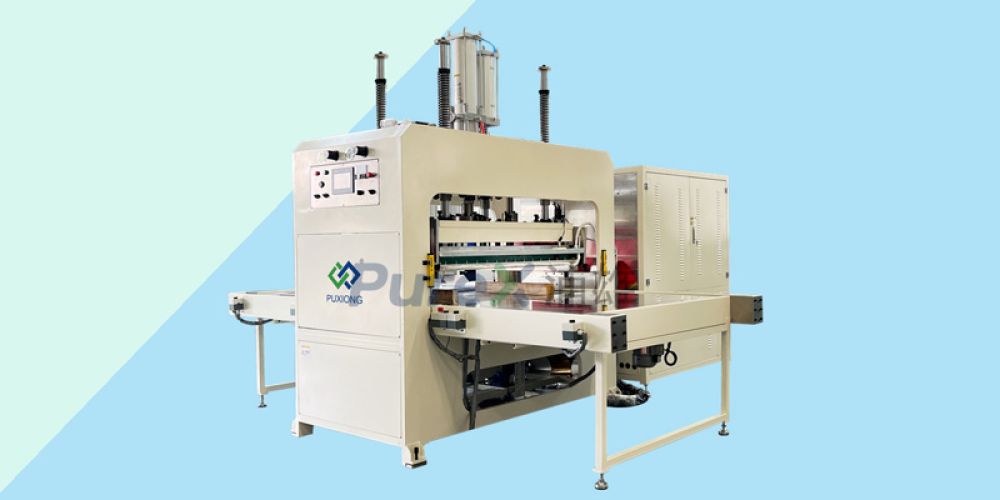
In the production of inflatable massagers, high-frequency heat sealing equipment can be used for different film…
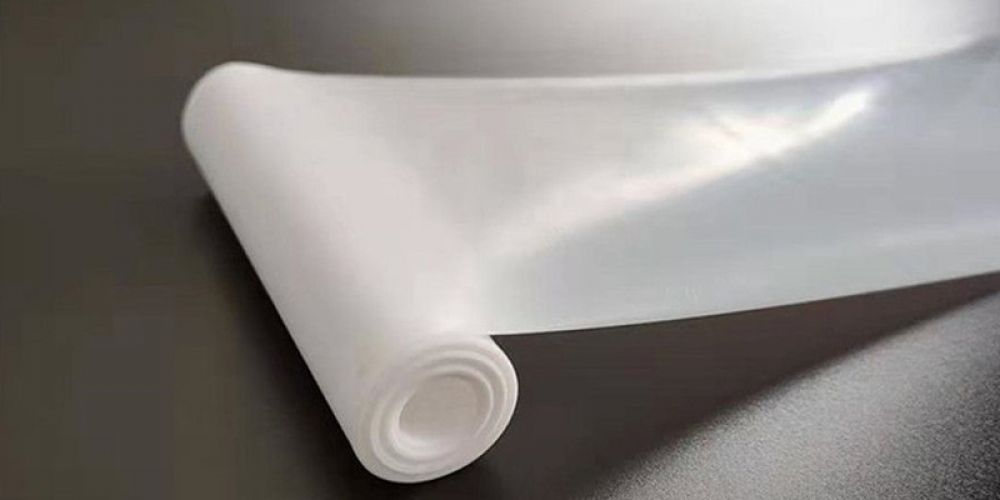
I. TPU Film: The Core Material for High-End Massagers As the preferred material for current inflatable…
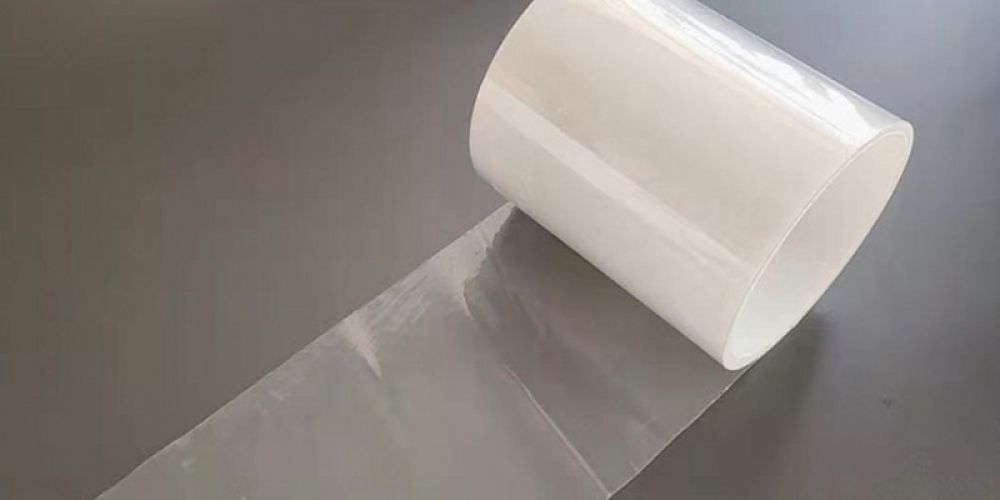
TPU (Thermoplastic Polyurethane) film is a high-performance polymer material widely used in medical, automotive, and sports…