
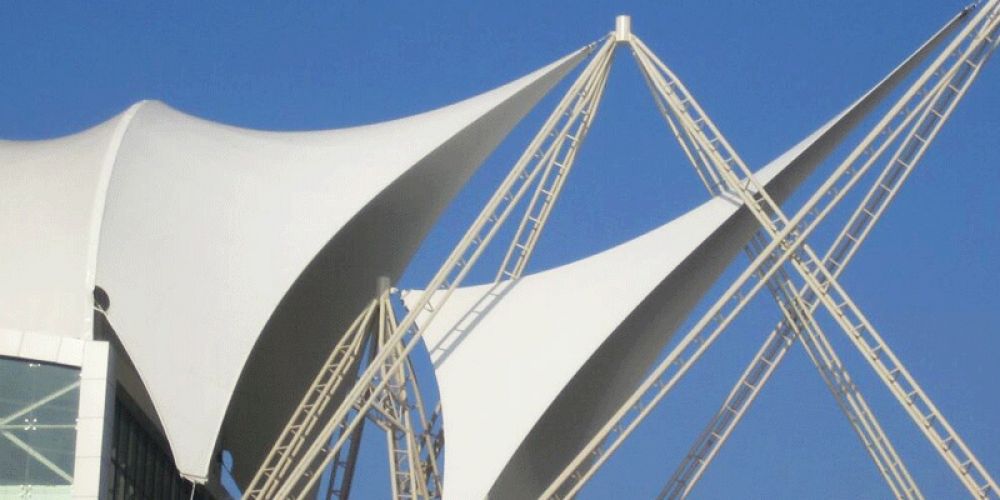
Comparative Analysis of Two Membrane Structure Types 1. Frame-Supported Membrane Structures
Characteristics:
▸ Enhanced Structural Stability: Utilizes steel frames or engineered timber skeletons with tensioned membrane overlay, ensuring superior load-bearing capacity.
▸ Simplified Geometric Configuration: Permits flexible opening designs while maintaining structural integrity.
▸ Cost-Effective Solution: Economically viable for spatial spans ranging 10-200 meters with lower maintenance requirements. Application Scenarios: • Sports Complexes: Olympic-grade stadium roofs requiring 80-100m clear spans. • Commercial Infrastructure: Shopping mall atriums (typically 15-30m spans) and vehicular ports. • Landscape Architecture: Curvilinear sun shelters in municipal parks (commonly 5-20m spans). 2. Tensioned Membrane Structures
Characteristics:
▸ High-Form Freedom: Achieves complex geometries through pre-stressed cable networks (typically 150-300kN tension forces).
▸ Precision Engineering Requirement: Demands ≤3mm tolerance in node positioning during installation.
▸ Premium Cost Structure: 30-50% higher material/labor costs compared to frame-supported systems. Application Scenarios: • Long-Span Facilities: Airport terminals (150m+ spans) and exposition centers requiring column-free spaces. • Architectural Landmarks: Iconic structures like the Millennium Dome (320m diameter tension structure). • Specialized Enclosures: Wastewater treatment covers (chemical-resistant PTFE membranes) and hyperscale arenas.
.jpg)
In the construction field, the heat-sealing production methods for different new membrane materials vary depending on…
.jpg)
In the construction field, the heat-sealing of PVDF membrane materials is mainly achieved through processes such…
.jpg)
Due to its unique molecular structure and excellent overall performance, PVDF (polyvinylidene fluoride) membrane material is…
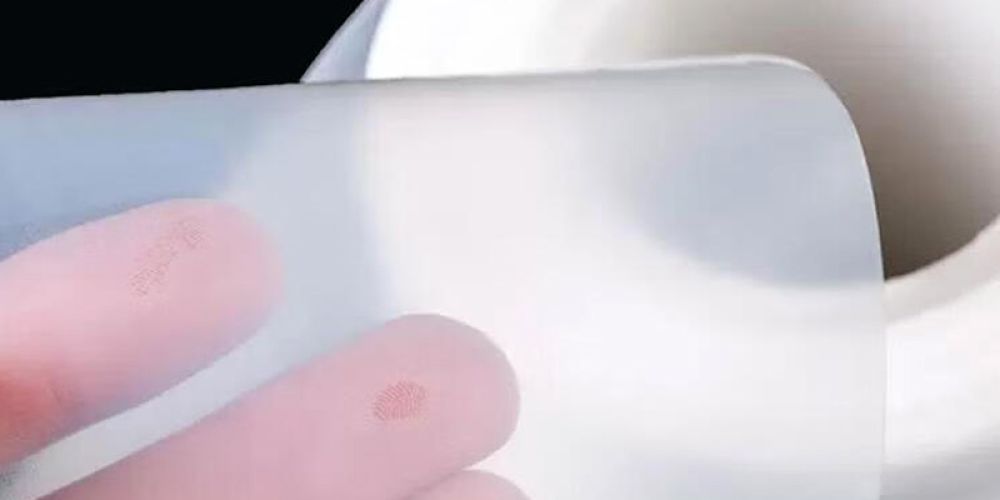
Chemical Inertness: Virtually unreactive with almost all chemical substances; resistant to acids, alkalis, and organic solvents…
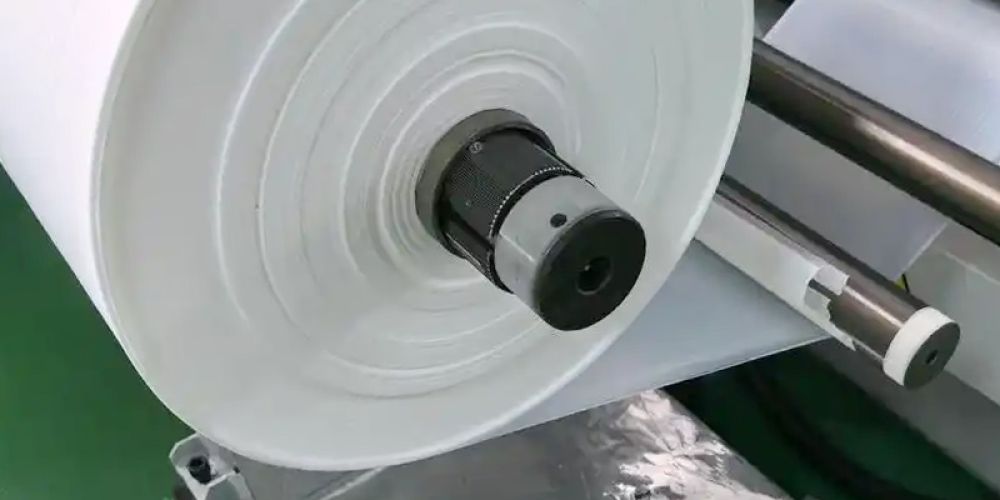
PTFE (polytetrafluoroethylene) film is a high-performance engineering plastic film renowned for its excellent chemical stability, high-temperature…
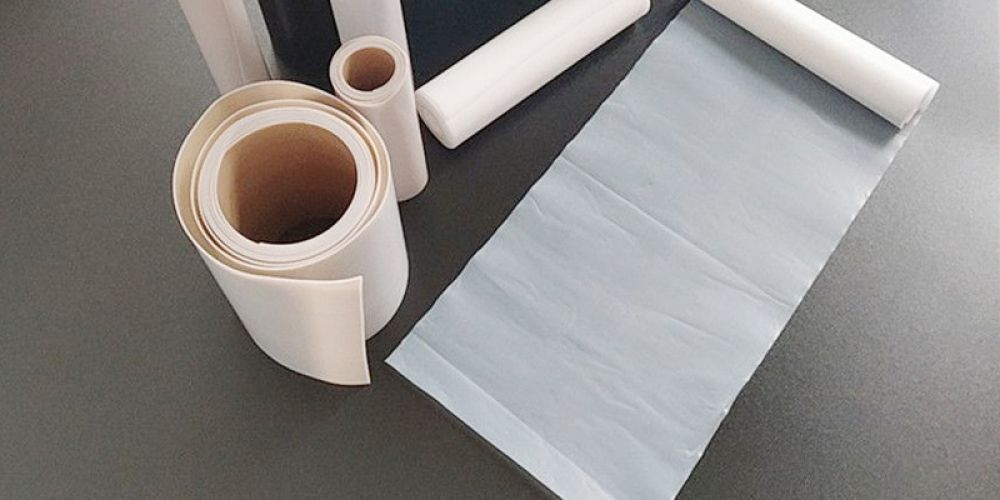
Microporous Structure Porosity exceeds 85%, with 1.4 billion micropores per square centimeter and pore sizes ranging…