
.jpg)
Due to its unique molecular structure and excellent overall performance, PVDF (polyvinylidene fluoride) membrane material is widely used in sectors such as architecture, industry, and environmental protection. Below are the core advantages of PVDF membrane material and a detailed analysis of each:
1. Superior Weather and Aging Resistance
UV and Corrosion Resistance: The fluorine atoms in the PVDF molecular chain provide exceptional chemical stability, enabling long-term resistance to harsh environmental factors such as UV radiation, ozone, acid rain, and salt spray; it is resistant to fading, cracking, and chalking.
Wide Temperature Adaptability: It maintains stable performance across an extreme temperature range of -60°C to 150°C, making it suitable for buildings in regions with severe cold or high heat.
Ultra-long Service Life: Under normal usage conditions, PVDF membrane material has a lifespan of over 20 years—far exceeding that of standard PVC membranes (5–10 years)—thereby reducing long-term maintenance costs.
2. Excellent Physical Properties
High Strength and Lightweight: PVDF membrane material boasts a tensile strength of 50–70 MPa and an elongation at break of 200%–300%. With a density of only 1.78 g/cm³ and a low self-weight (under 3 kg/m²), it significantly reduces the structural load on buildings.
Flexibility and Plasticity: The material can be bent and folded freely to accommodate complex architectural forms (such as curved roofs or undulating facades) and supports innovative designs like air-supported structures and tensile membrane structures.
Impact and Tear Resistance: It features high surface hardness and excellent puncture resistance, capable of withstanding impacts from hail, wind-blown sand, and debris, making it ideal for long-term outdoor use.
3. Energy Efficiency and Environmental Friendliness
Translucency: With a light transmission rate of 10%–30%, PVDF membrane material allows natural diffused light to enter the interior, reducing energy consumption for artificial lighting; it also filters UV rays, protecting interior contents from light-induced damage.
Thermal Insulation Performance: When insulation materials (such as aerogel or glass wool) are sandwiched between double layers of PVDF membrane, building energy consumption is significantly reduced; thermal retention efficiency in winter improves by over 30%, and cooling loads in summer decrease by 20%. Self-cleaning capability: The membrane surface is smooth and highly hydrophobic, allowing rainwater to automatically wash away dust; some products feature nano-coatings that further enhance stain resistance and antibacterial properties, reducing the frequency of manual cleaning.
Recyclability: PVDF materials are recyclable, meeting green building standards and reducing lifecycle carbon emissions.
4. Fire resistance and safety performance
High flame retardancy: PVDF membranes typically meet Class B1 (flame-retardant) or Class A (non-combustible) fire safety standards; they are self-extinguishing upon removal of the ignition source, produce no burning droplets, and do not spread fire, satisfying fire safety requirements for high-rise buildings and public venues.
Low smoke and non-toxic: Combustion produces low-density smoke and is free from harmful substances such as halogens and heavy metals, ensuring safe personnel evacuation.
5. Ease of processing and installation
Excellent heat-sealing performance: Seamless connections can be achieved via heat welding or high-frequency welding; the resulting welds offer high strength and excellent airtightness, making the material suitable for air-supported structures and inflatable applications.
Modular design: Membranes can be prefabricated into standard units for rapid on-site assembly, shortening construction schedules and reducing labor costs.
High adaptability: Compatible with various support systems—including steel, aluminum, and timber structures—to meet diverse architectural style requirements.
6. Economic efficiency and comprehensive benefits
Low lifecycle cost: Although the initial investment for PVDF membranes is higher than that for standard membranes, their exceptionally long service life, low maintenance requirements, and energy-saving capabilities significantly reduce total costs.
Multifunctional integration: Composite processing allows PVDF membranes to be combined with functional materials—such as thermal insulation layers, soundproofing layers, and photovoltaic panels—enabling a single building envelope material to serve multiple functions.
Application examples
Construction sector: Roofs and curtain walls for stadiums, exhibition centers, airport terminals, and commercial complexes; temporary structures such as air-supported sports halls and emergency medical facilities.
Industrial sector: Anti-corrosion linings for chemical storage tanks and pipelines; impermeable covers for sewage treatment ponds and salt pans.
Environmental protection sector: Landfill closure membranes, solar photovoltaic backsheets, noise barriers, etc.
Due to its unique molecular structure and excellent overall performance, PVDF (polyvinylidene fluoride) membrane material is…
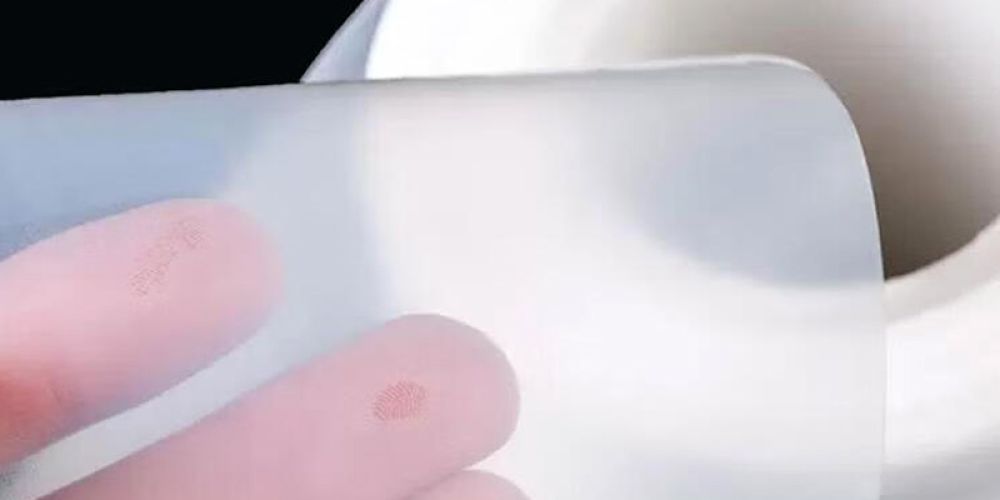
Chemical Inertness: Virtually unreactive with almost all chemical substances; resistant to acids, alkalis, and organic solvents…
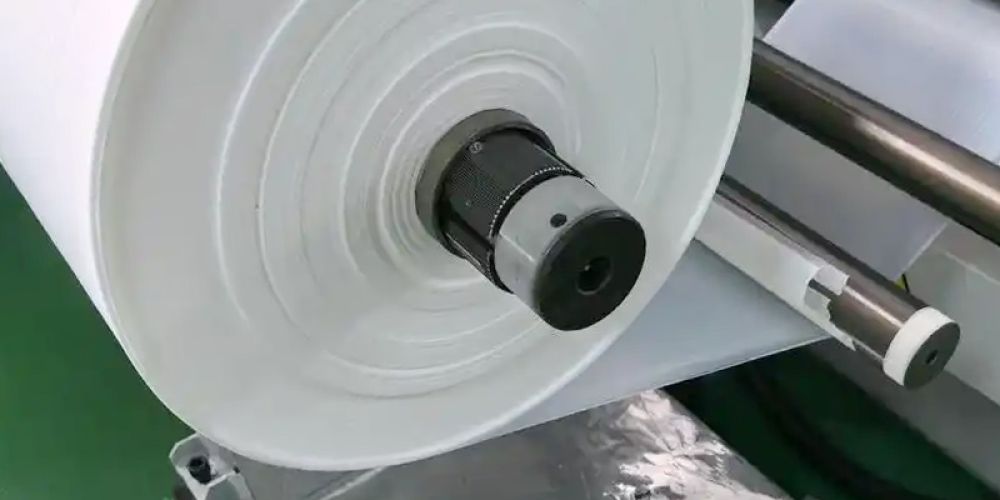
PTFE (polytetrafluoroethylene) film is a high-performance engineering plastic film renowned for its excellent chemical stability, high-temperature…
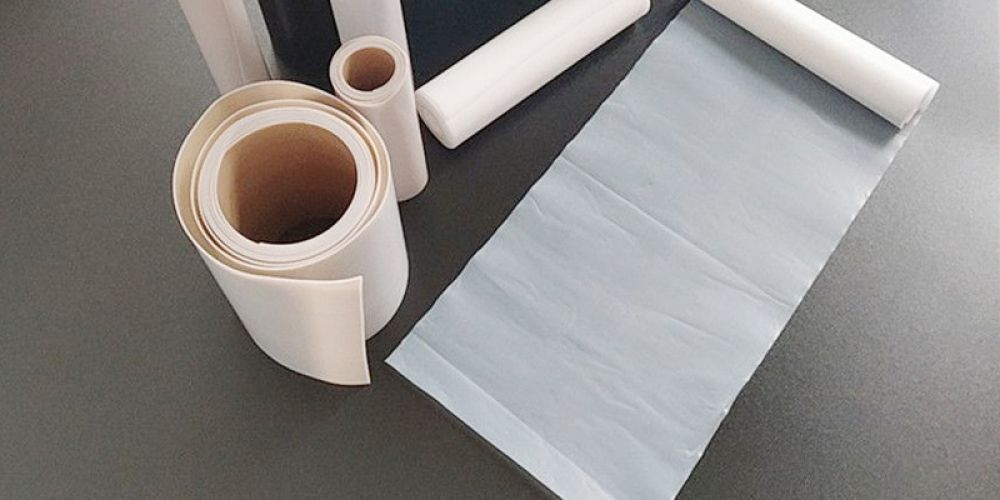
Microporous Structure Porosity exceeds 85%, with 1.4 billion micropores per square centimeter and pore sizes ranging…

PTFE (polytetrafluoroethylene) film is a microporous film produced from PTFE resin using specialized processes such as…

PTFE membranes (polytetrafluoroethylene membranes) can be classified based on function, application, and structure, demonstrating significant value…