
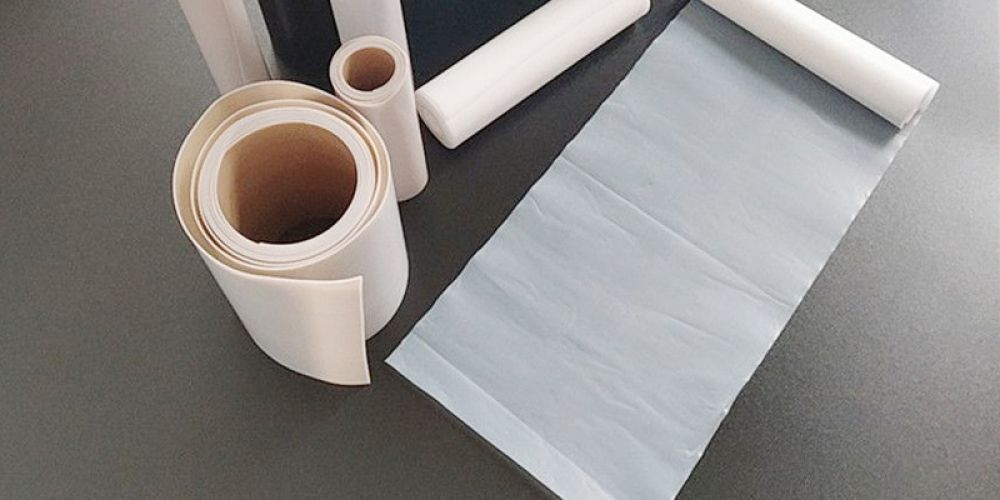
Microporous Structure
Porosity exceeds 85%, with 1.4 billion micropores per square centimeter and pore sizes ranging from 0.02 μm to 15 μm.
The surface features a spiderweb-like pattern with nodes formed at fiber bundle junctions; pore sizes vary between the membrane's sides and across its longitudinal and transverse axes, while the cross-section reveals a complex, three-dimensional network structure.
Chemical Stability
Resistant to corrosion from strong acids, strong alkalis, organic solvents, and oxidizing agents; suitable for anti-corrosion equipment in industries such as chemical processing and pharmaceuticals.
Temperature Resistance
Suitable for long-term use between -190°C and 260°C, with short-term tolerance up to 300°C; ideal for extreme environments such as aerospace applications and high-temperature industrial equipment.
Physical Properties
Low friction coefficient: Extremely low surface energy provides non-stick, water-repellent, and oil-resistant properties; commonly used for non-stick cookware coatings and industrial anti-stick components.
High strength: Tensile strength exceeds that of steel wire of the same diameter; highly durable.
Aging resistance: Strong resistance to ultraviolet (UV) radiation; long service life.
Functional Characteristics
.jpg)
Breathable and waterproof: ePTFE (expanded polytetrafluoroethylene) membranes feature a microporous structure created through a specialized stretching process, allowing gas passage while blocking liquids and particulates to achieve "waterproof yet breathable" functionality.
Electrical insulation: Excellent dielectric properties; suitable as insulation material for high-frequency electronic equipment.
High light transmission and heat reflectivity: Architectural PTFE membranes offer a light transmission rate of 8%–13% and heat reflectivity of up to 70%, creating an environment of natural diffused light while minimizing heat absorption.
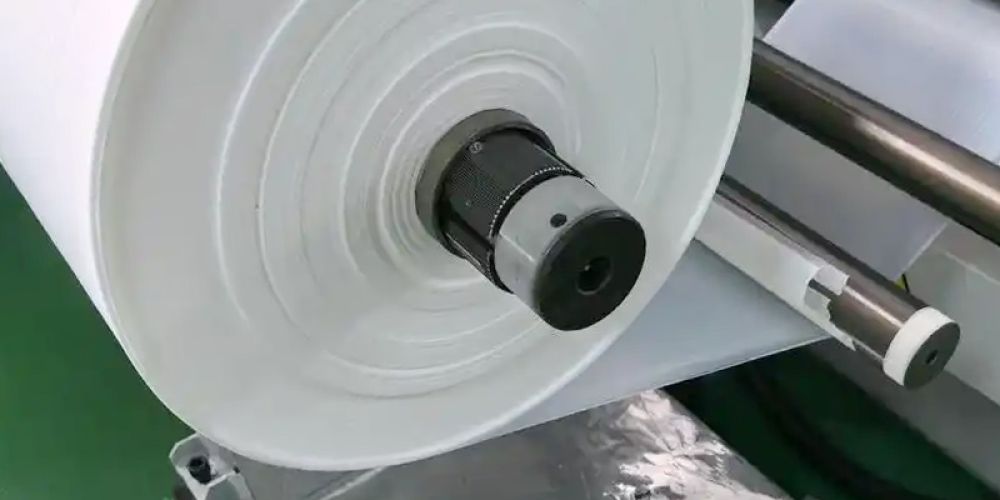
PTFE (polytetrafluoroethylene) film is a high-performance engineering plastic film renowned for its excellent chemical stability, high-temperature…
Microporous Structure Porosity exceeds 85%, with 1.4 billion micropores per square centimeter and pore sizes ranging…

PTFE (polytetrafluoroethylene) film is a microporous film produced from PTFE resin using specialized processes such as…

PTFE membranes (polytetrafluoroethylene membranes) can be classified based on function, application, and structure, demonstrating significant value…
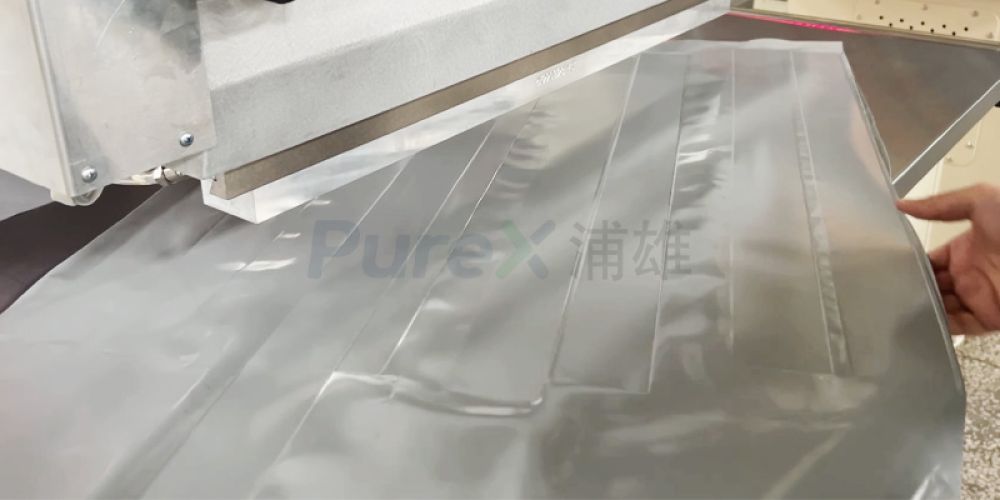
In the application of membrane materials, high-frequency (HF) equipment utilizes high-frequency electromagnetic fields to polarize material…
.jpg)
Key Advantages Synchronized High-Efficiency Welding and Cutting Technical Principle: Uses high-frequency electromagnetic fields to induce molecular…