
.jpg)
In the construction field, the heat-sealing production methods for different new membrane materials vary depending on their material properties and application requirements. The following are the detailed heat-sealing production methods for ETFE membranes, PVDF membranes, one-way vision films, and sound-absorbing membranes:
ETFE Membrane
ETFE membranes are produced by heating ETFE powder or granules to above 380°C to form a molten resin slurry, which is then extruded through hot press rollers and finally set into films with a standard thickness (0.1–0.5 mm) and standard width (1.55–1.60 m). During the heat-sealing process, ETFE membranes can be joined by hot-air welding or high-frequency welding to form air cushions or single-layer membrane structures. For example, the ETFE canopy at the small plaza of Intime in77 B District, Hubin, Hangzhou, adopts a combination of air cushions and single-layer membrane structures.
PVDF Membrane
PVDF membranes have diverse heat-sealing production methods, including extrusion, injection molding, casting, molding, and transfer molding. Among these, extrusion molding involves forcing heated PVDF material through the screw of an extruder to form the desired cross-sectional shape, making it suitable for producing continuous profiles such as pipes, rods, and wires. Injection molding involves heating PVDF granules until molten, injecting them into a mold, and cooling them to solidify into shape, making it suitable for mass-producing relatively simple-shaped parts such as pipes, valves, and connectors. During the heat-sealing process, PVDF membranes can be joined by hot-melt welding or ultrasonic welding methods.
One-Way Vision Film
The heat-sealing production of one-way vision films typically involves preparation methods for composite fiber materials such as the blending method and the sol-gel method. These methods directly disperse inorganic components into a polymer solution, uniformly mix them, and then perform electrospinning to form fiber films with special properties. During the heat-sealing process, special adhesives or heat-sealing techniques may be required to ensure a firm bond between the one-way vision film and other materials.
Sound-Absorbing Membrane
The heat-sealing production of sound-absorbing membranes may adopt high-frequency welding technology. This technology uses the thermal energy generated by a high-frequency electric field to heat materials, and fuses thermoplastic materials together under pressure. In the production of automotive sound-absorbing cotton, high-frequency welding is widely used to ensure the quality and performance of the sound-absorbing cotton. Similar technology may also be applied to the production of architectural sound-absorbing membranes.
In the construction field, the heat-sealing production methods for different new membrane materials vary depending on…
.jpg)
In the construction field, the heat-sealing of PVDF membrane materials is mainly achieved through processes such…
.jpg)
Due to its unique molecular structure and excellent overall performance, PVDF (polyvinylidene fluoride) membrane material is…
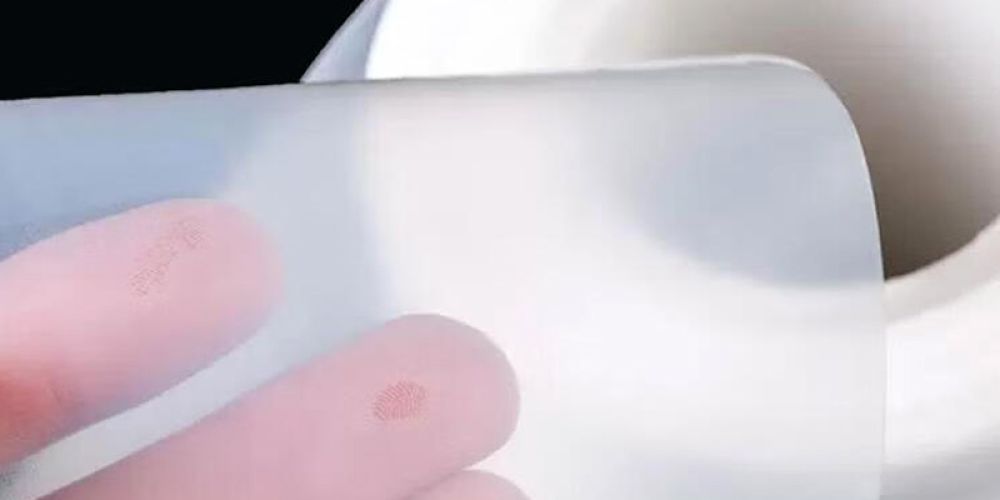
Chemical Inertness: Virtually unreactive with almost all chemical substances; resistant to acids, alkalis, and organic solvents…
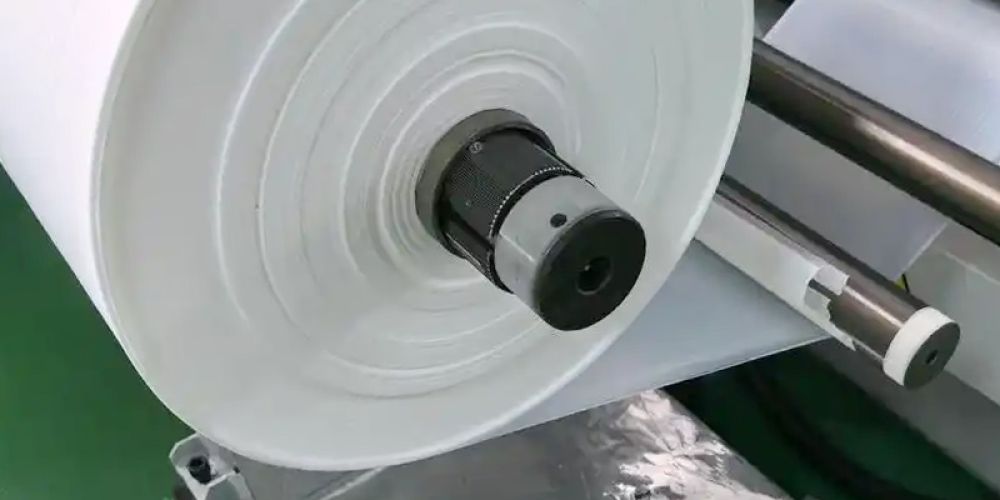
PTFE (polytetrafluoroethylene) film is a high-performance engineering plastic film renowned for its excellent chemical stability, high-temperature…
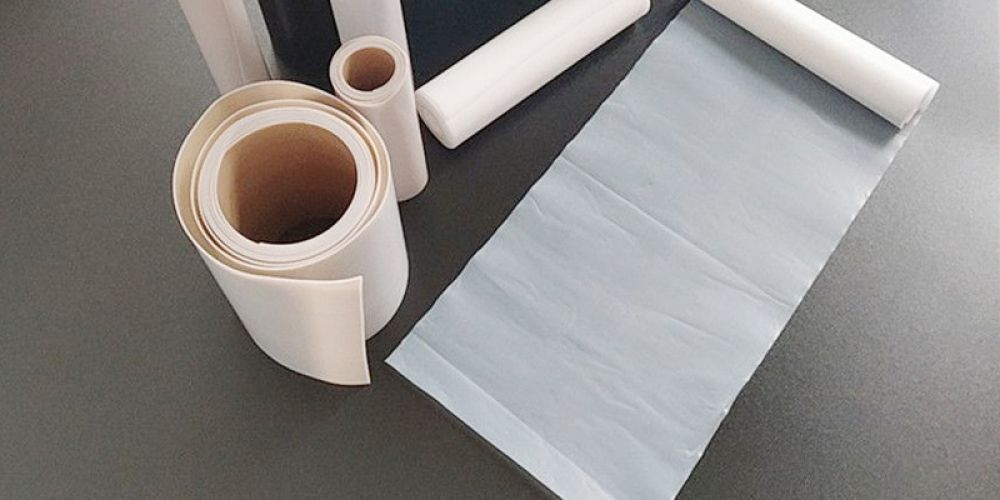
Microporous Structure Porosity exceeds 85%, with 1.4 billion micropores per square centimeter and pore sizes ranging…