
.jpg)
Membrane architecture is an architectural form that uses high-strength, flexible thin-film materials as its main structural element, forming stable spaces through tension, inflation, or support. It comes in various types and can be classified according to structural form, function, and morphological characteristics. Below are specific classifications and typical examples:
I. Classification by Structural Form
1. Tension Membrane Structure
Principle: Pre-tensioning is applied to the membrane material using steel cables or rigid components to form a stable curved surface.
Characteristics: Freedom in shape; allows for large spans and column-free spaces.
Lightweight structure with excellent light transmission.
Typical Applications: Sports stadiums.
Commercial exhibition halls, cultural centers.
2. Pneumatic Membrane Structure
Principle: Air is injected into the membrane material to form a pressure-supported enclosed space.
Characteristics: Rapid construction; high mobility.
Requires continuous air supply to maintain shape; higher energy consumption.
Typical Applications: Temporary exhibition halls, emergency medical facilities.
Sports venues.
3. Frame-Supported Membrane Structure
Principle: Uses a rigid frame (such as steel or aluminum) for support, with the membrane material as the covering.
Features: Stable structure, suitable for complex shapes.
Easy membrane material replacement, low maintenance costs.
Typical Applications: Entrance sunshades, station roofs.
Landscape pavilions, commercial street sunshades.
4. Hybrid Membrane Structure
Principle: Combines various forms such as tensioning, air inflatability, or frames.
Features: High flexibility, allowing for optimized structural performance.
Suitable for complex terrain or functional requirements.
Typical Applications: Large convention centers, airport terminals.
.jpg)
In the construction field, the heat-sealing production methods for different new membrane materials vary depending on…
.jpg)
In the construction field, the heat-sealing of PVDF membrane materials is mainly achieved through processes such…
.jpg)
Due to its unique molecular structure and excellent overall performance, PVDF (polyvinylidene fluoride) membrane material is…
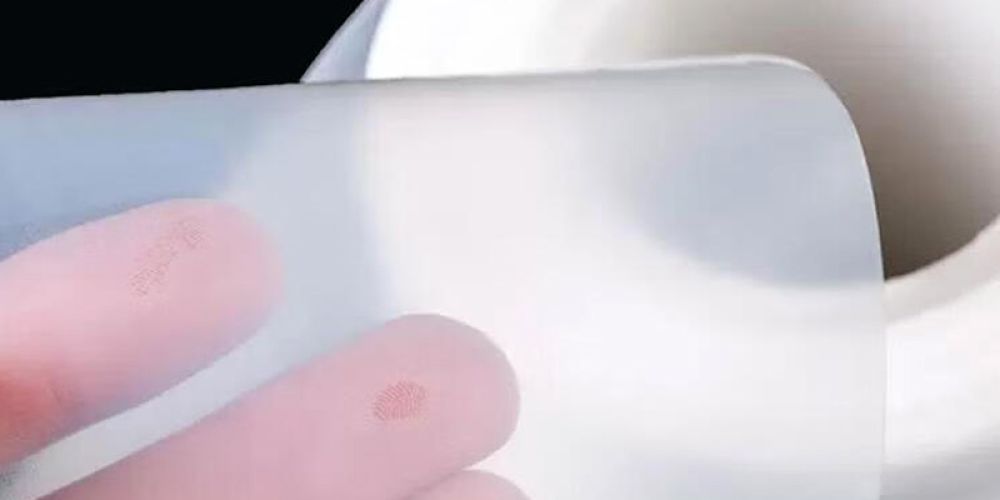
Chemical Inertness: Virtually unreactive with almost all chemical substances; resistant to acids, alkalis, and organic solvents…
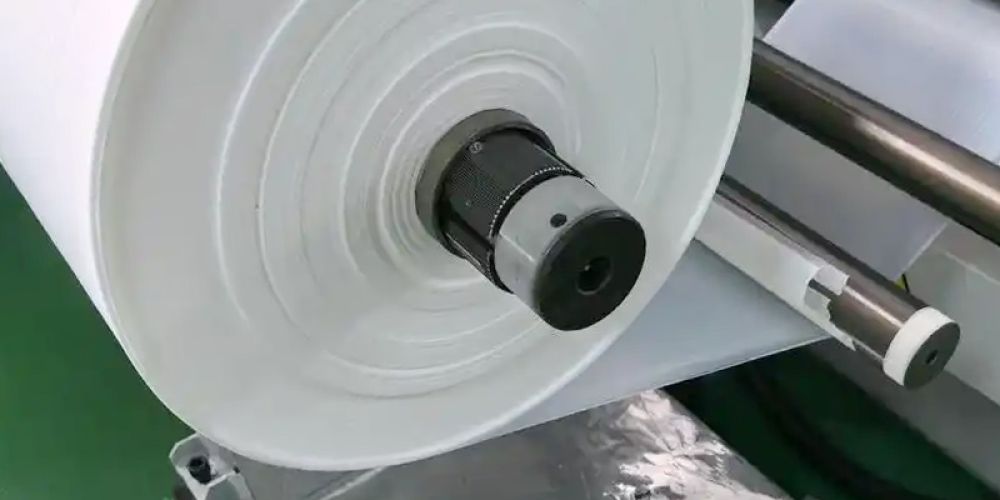
PTFE (polytetrafluoroethylene) film is a high-performance engineering plastic film renowned for its excellent chemical stability, high-temperature…
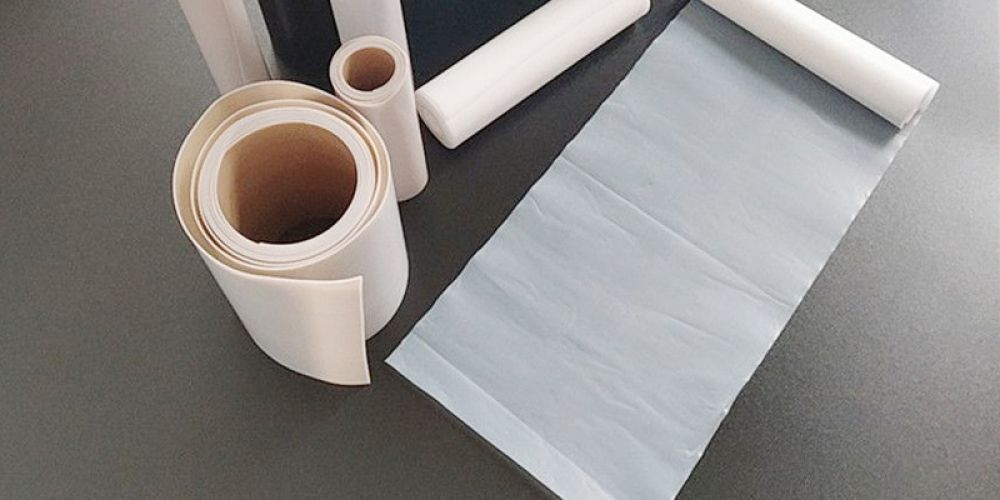
Microporous Structure Porosity exceeds 85%, with 1.4 billion micropores per square centimeter and pore sizes ranging…