
.jpg)
Membrane material heat-sealing technology is a critical process in the fabrication of membrane structures, primarily relying on thermal energy to melt and bond the materials. Based on the heat source and process principles, the technology is categorized into two core types:
**I. High-Frequency Welding**
**Principle:** Utilizes a high-frequency electric field (13–150 MHz) to induce internal molecular friction and heat generation in membrane materials containing polar molecules (e.g., PVC, EVA), causing them to melt; a weld seam is formed after the application of pressure and cooling.
**Key Technical Parameters:**
Power density: 5–20 kW/m²
Melting temperature: 180–220°C (e.g., for PVC)
Pressure range: 0.2–0.8 MPa
**Applicable Materials:** Polar polymer membranes such as PVC, PU, and TPU.
**Advantages:**
High weld seam strength (can exceed 85% of the base material strength)
Excellent sealing performance (air permeability ≤ 0.05 m³/m²/h)
**II. Heat Sealing**
**Principle:** Achieves fusion by transferring thermal energy through direct contact between a heating plate or roller and the membrane surface, combined with the application of pressure.
**Technical Variants:**
**Type** | **Temperature Range** | **Pressure Control** | **Application Scenario**
**Flat-bed Heat Sealing** | 150–300°C | Hydraulic/Pneumatic (0.1–5 MPa) | ETFE multi-layer pneumatic cushions, waterproofing membranes
Membrane material heat-sealing technology is a critical process in the fabrication of membrane structures, primarily relying…
.jpg)
Heat-sealing equipment designed for large-scale membrane structure projects—such as sports venues and canopies—must meet three core…
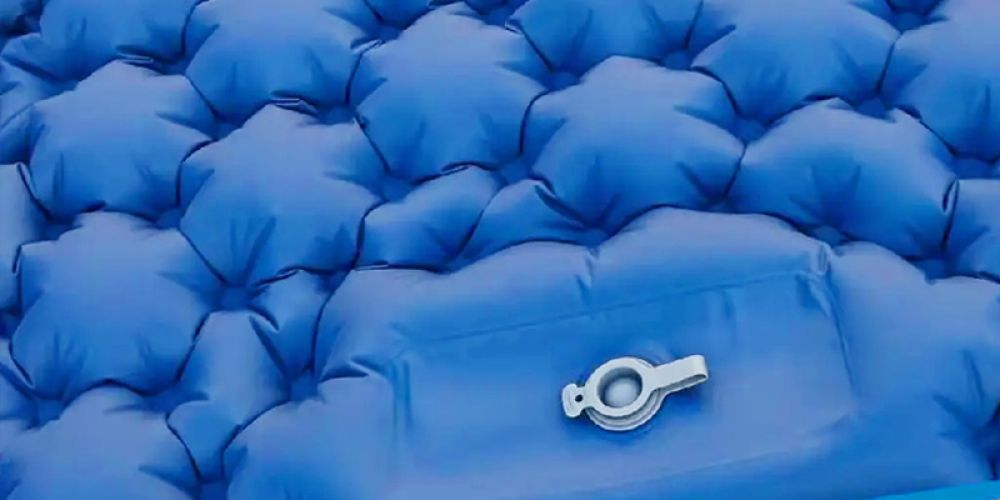
In the sealing of inflatable structures, the heat-sealing process fuses material contact surfaces through high-temperature heating…
.jpg)
In the field of architecture, various new membrane materials are widely used due to their unique…
.jpg)
In the construction field, the heat-sealing production methods for different new membrane materials vary depending on…
.jpg)
In the construction field, the heat-sealing of PVDF membrane materials is mainly achieved through processes such…