

1. High-Frequency Welding Machine (High-Frequency Sealing Machine)
Principle: Utilizes a high-frequency electromagnetic field (20–50 kHz) to induce molecular friction and generate heat within the membrane material, resulting in a fusion bond. Suitable for materials containing polar groups, such as PVC and PTFE.
Features:
Dual-head design (e.g., 8 kW models) enhances efficiency, making it ideal for welding large-area membrane structures.
Equipped with a laser scanning positioning system to ensure weld seam precision (±1 mm).
Applications: Inflatable membrane structures, tarpaulins, raincoats, etc.
2. Hot-Press Lamination Machine
Principle: Bonds multiple layers of membrane material through the application of heat (via electric heating elements or infrared radiation) and pressure (0.1–10 MPa), with a temperature range of 50–300°C.
Structure:
Gantry-style or C-frame design ensures uniform pressure distribution.
Optional optical positioning system provides alignment precision of up to ±0.1 mm.
Suitable Applications: Lamination of ETFE membranes and bonding of flexible materials in the electronics industry.
3. Ultrasonic Welding Machine
Principle: Generates localized heat through high-frequency vibration (15–40 kHz), enabling adhesive-free bonding; suitable for thermoplastic membrane materials.
Types:
Available in foot-operated, pneumatic, and self-propelled configurations to suit various production requirements.
Advantages: Eliminates the need for consumables (such as glue), making it an eco-friendly and highly efficient solution.
4. Cantilever-Style High-Frequency Welding Machine
Technical Features:
3D positioning (X/Y/Z axes) accommodates complex weld paths, with a pressure feedback system for dynamic adjustment (0.1–0.5 MPa).
Infrared temperature monitoring tracks the melting temperature (180–250°C) to prevent overheating.
Typical Parameters: Welding 1 mm thick PVC membrane requires 12 kW of power and a heating duration of 1.2 seconds. 5. Heat-Sealing Machine for Non-Standard Shapes
Customized Design: Features adjustable molds, designed for welding membrane structures with complex geometries (such as curved surfaces or irregular edges).
Drive Mechanism: Pneumatic or hydraulic, ensuring stable pressure.
6. Internally Heated / Externally Heated Heat-Sealing Machines
Distinction:
Internally Heated: The heating element is embedded within the mold; suitable for precision welding.
Externally Heated: An external heating plate makes contact with the membrane material; suitable for large-area operations.
Summary: The selection of heat-sealing equipment for membrane structures depends on the material type (PVC/PTFE/ETFE), thickness (0.5–3 mm), and the complexity of the weld seams. High-frequency welding and thermal-press bonding are the prevailing technologies.
1. High-Frequency Welding Machine (High-Frequency Sealing Machine) Principle: Utilizes a high-frequency electromagnetic field (20–50 kHz) to…
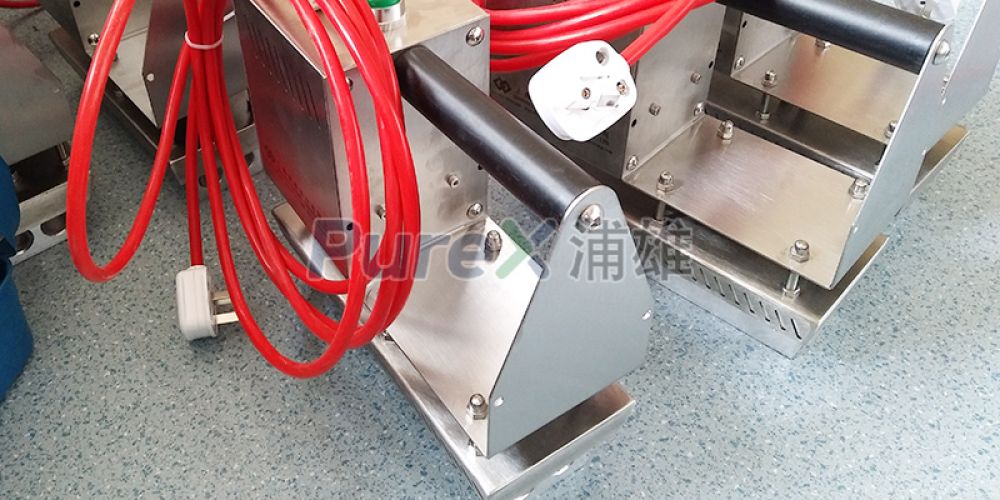
Handheld membrane welding machines are portable devices used for on-site welding or repairing of membrane structures…
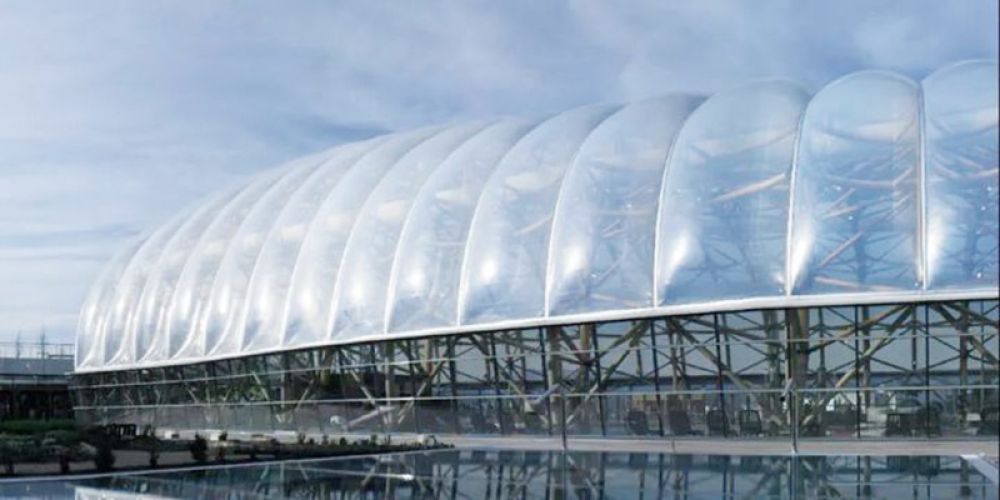
Membrane material heat-sealing technology is a critical process in the fabrication of membrane structures, primarily relying…

Heat-sealing equipment designed for large-scale membrane structure projects—such as sports venues and canopies—must meet three core…
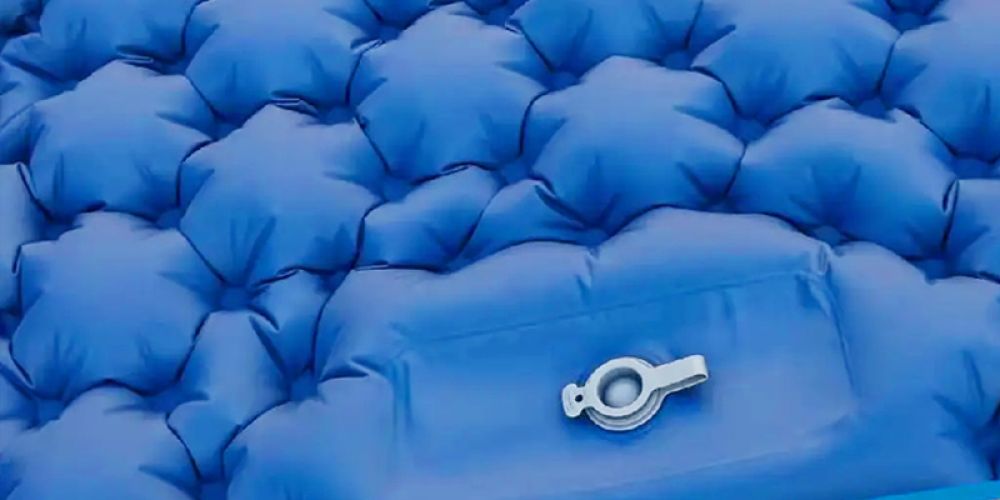
In the sealing of inflatable structures, the heat-sealing process fuses material contact surfaces through high-temperature heating…
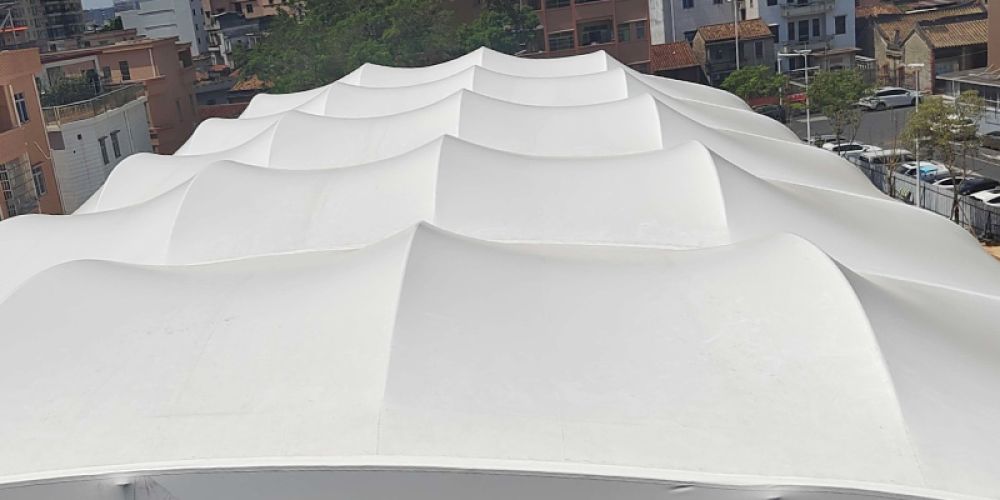
In the field of architecture, various new membrane materials are widely used due to their unique…