
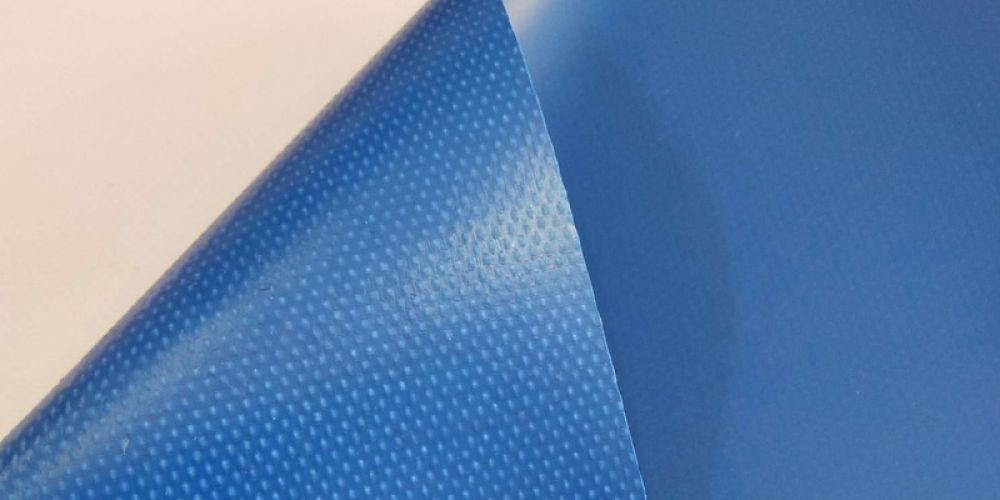
I. Characteristics of PVC Mesh-Reinforced Fabric
PVC mesh-reinforced fabric is manufactured using a high-strength polyester mesh as the base material, coated with PVC, and infused with chemical additives such as plasticizers, anti-mold agents, and antistatic agents. Its core characteristics are as follows:
Physical Properties
High Strength: High tensile strength, suitable for high-stress applications.
Waterproof and Mold-Resistant: The PVC coating forms a dense, protective barrier.
Weather Resistance: UV-resistant treatment; service life of approximately 10 years.
Safety Performance
Flame Retardancy: Offers a degree of fire resistance.
Functional Versatility
Customizable Colors: Meets personalized requirements.
Adjustable Weight and Thickness: Adaptable to various application scenarios.
II. Application of Heat-Sealing and Splicing Technology
Heat-sealing and splicing is the core process for joining PVC mesh-reinforced fabrics; it involves using a high-frequency electromagnetic field to melt the material, followed by pressure bonding to create a seamless joint. Key technologies and examples include:
High-Frequency Heat Sealing/Welding
Principle: Utilizes a high-frequency machine to generate a rapidly oscillating magnetic field, causing internal PVC molecules to generate heat through friction, followed by welding and setting under pressure.
Advantages:
Uniform heating, consistent weld quality, and excellent surface finish.
Application Scenarios:
Architectural membrane structures and inflatable toys.
.jpg)
In the construction field, the heat-sealing production methods for different new membrane materials vary depending on…
.jpg)
In the construction field, the heat-sealing of PVDF membrane materials is mainly achieved through processes such…
.jpg)
Due to its unique molecular structure and excellent overall performance, PVDF (polyvinylidene fluoride) membrane material is…
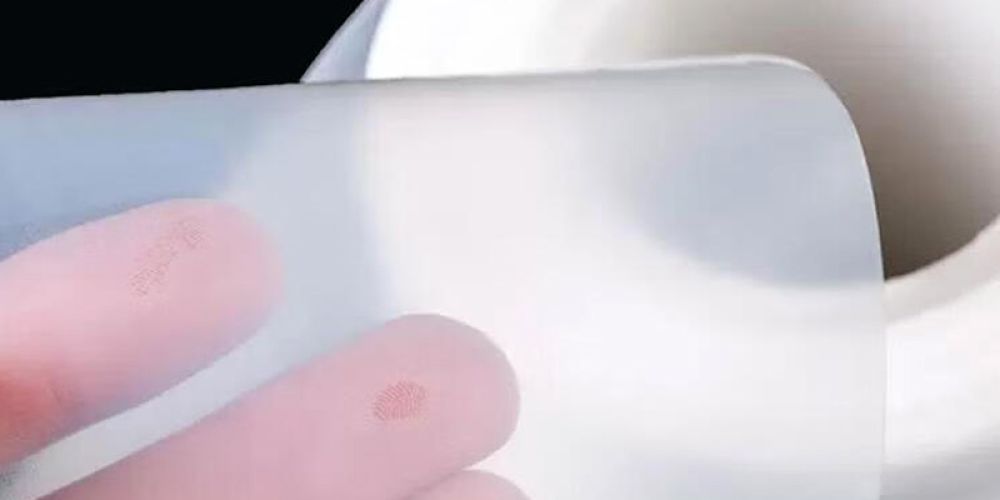
Chemical Inertness: Virtually unreactive with almost all chemical substances; resistant to acids, alkalis, and organic solvents…
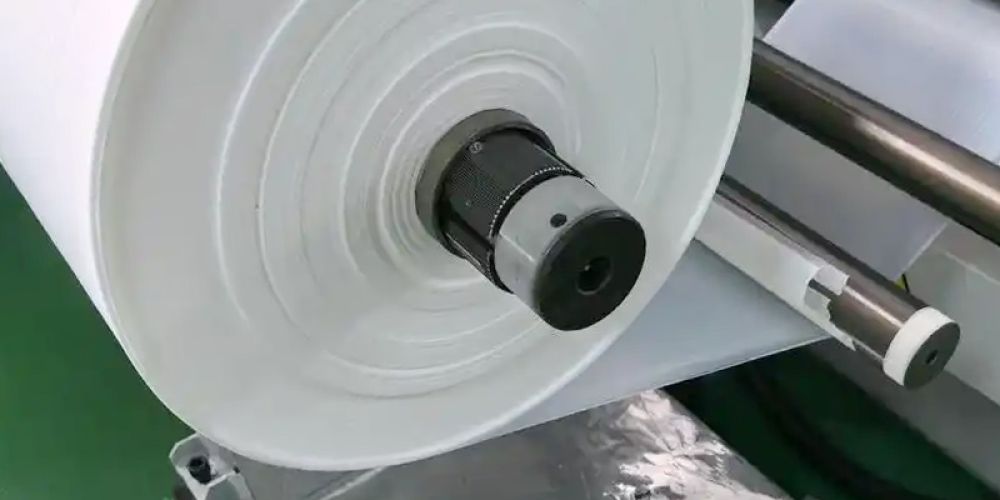
PTFE (polytetrafluoroethylene) film is a high-performance engineering plastic film renowned for its excellent chemical stability, high-temperature…
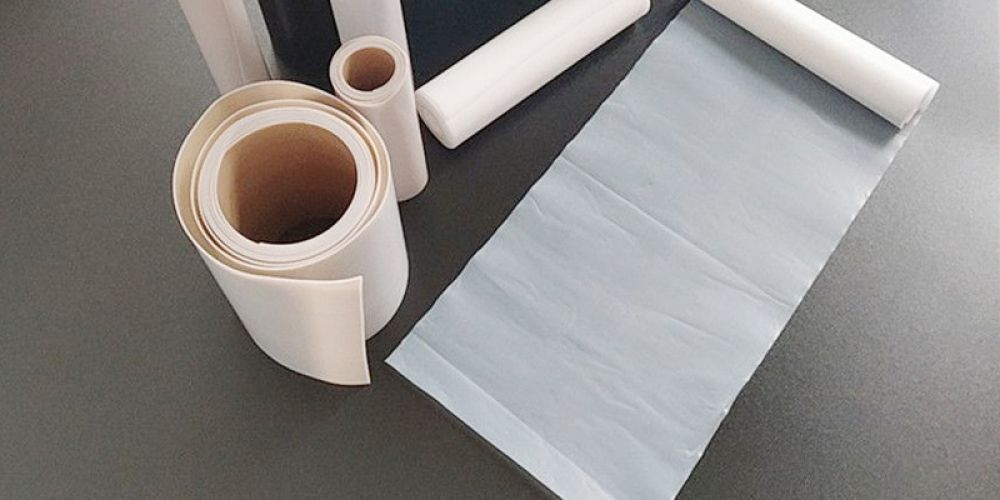
Microporous Structure Porosity exceeds 85%, with 1.4 billion micropores per square centimeter and pore sizes ranging…