
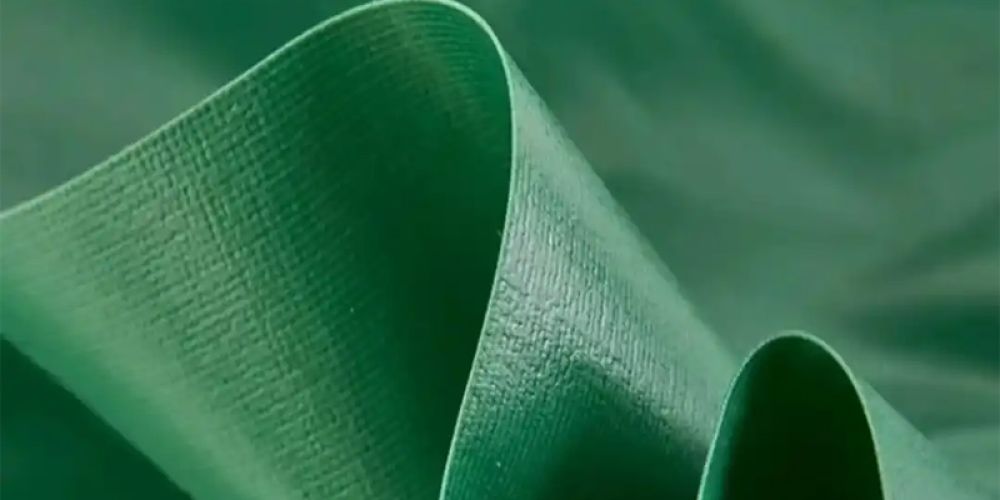
I. Core Characteristics of PVC Membrane Materials
Structure and Composition
Base Fabric: Polyester or polyamide fiber fabric serves as the structural skeleton, providing tensile strength (thickness ≥ 0.5 mm).
Coating: The surface is coated with polyvinyl chloride (PVC) resin, supplemented by functional resin coatings such as PVDF or PVF to enhance self-cleaning properties, UV resistance, and weatherability.
Coating Weight: 400–1500 g/m²; surface finish options include PVDF, PVF, etc.; warranty period ranges from 3 to 15 years.
Physical Properties
Light Transmittance: 4%–15% (adjustable); light reflectance: 75%–85%; creates uniform diffused light internally without glare.
Mechanical Properties: For medium-strength PVC membranes (0.61 mm thick), the material offers high tensile strength and a low modulus of elasticity, making it suitable for complex curved shapes.
Self-weight: Extremely lightweight; meets the requirements for long-span structures and reduces total construction costs.
Environmental Adaptability
Weatherability: The surface layer is corrosion-resistant and UV-resistant within the warranty period; exhibits excellent self-cleaning properties (dirt is washed away by rain).
Fire Resistance: Classified as a B1-grade flame-retardant material; during combustion, melting occurs without open flames (melting holes form but do not spread), complying with the GB8624 standard.
Temperature Range: -40°C to 150°C; mechanical properties remain stable for over 10 years.
Economic Efficiency
Cost-effectiveness: The material is flexible and easy to install; costs are lower than those of PTFE membranes.
Application Scenarios: Architectural membrane structures, landscape projects, carports, agricultural greenhouses, etc.
II. Heat-Sealing and Joining Methods for PVC Membranes
High-Frequency Heat Sealing
Principle: Utilizes a high-frequency electromagnetic field (2540 MHz, 4–10 kV) to generate heat through internal molecular friction, followed by pressure bonding after melting.
Advantages:
Uniform heating ensures stable sealing quality and a high-gloss surface finish (flat-plate sealing).
"Knife-cut" heat sealing allows for simultaneous localized cutting and overall sealing, making it suitable for complex shapes. Applications:
Architectural membrane structures, inflatable toys, advertising banners, and other scenarios requiring high-strength bonding.
Parameter Control:
Temperature: 130°C–200°C (Soft PVC: 95°C–175°C; Rigid PVC: 130°C–205°C).
Pressure: Apply evenly to avoid thinning the material or resulting in a weak bond.
Time: Adjust based on material thickness to prevent thermal degradation.
.jpg)
In the construction field, the heat-sealing production methods for different new membrane materials vary depending on…
.jpg)
In the construction field, the heat-sealing of PVDF membrane materials is mainly achieved through processes such…
.jpg)
Due to its unique molecular structure and excellent overall performance, PVDF (polyvinylidene fluoride) membrane material is…
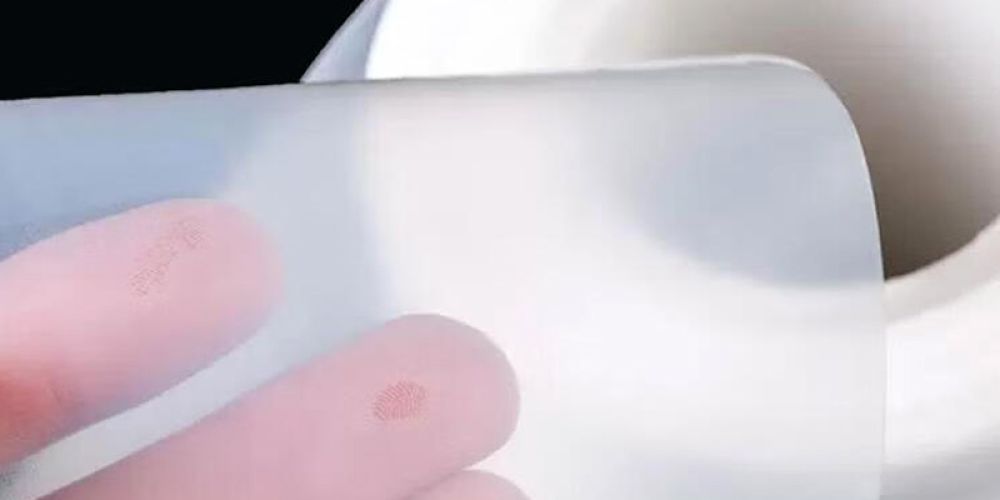
Chemical Inertness: Virtually unreactive with almost all chemical substances; resistant to acids, alkalis, and organic solvents…
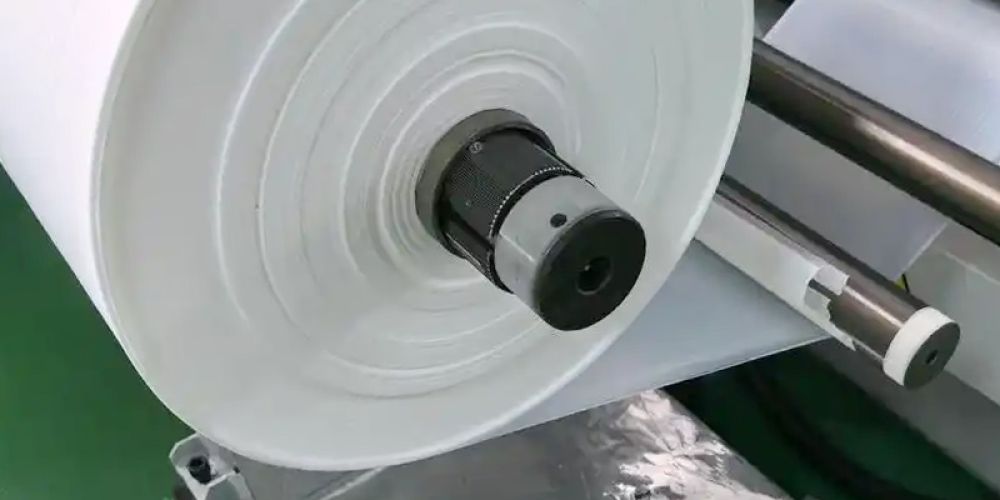
PTFE (polytetrafluoroethylene) film is a high-performance engineering plastic film renowned for its excellent chemical stability, high-temperature…
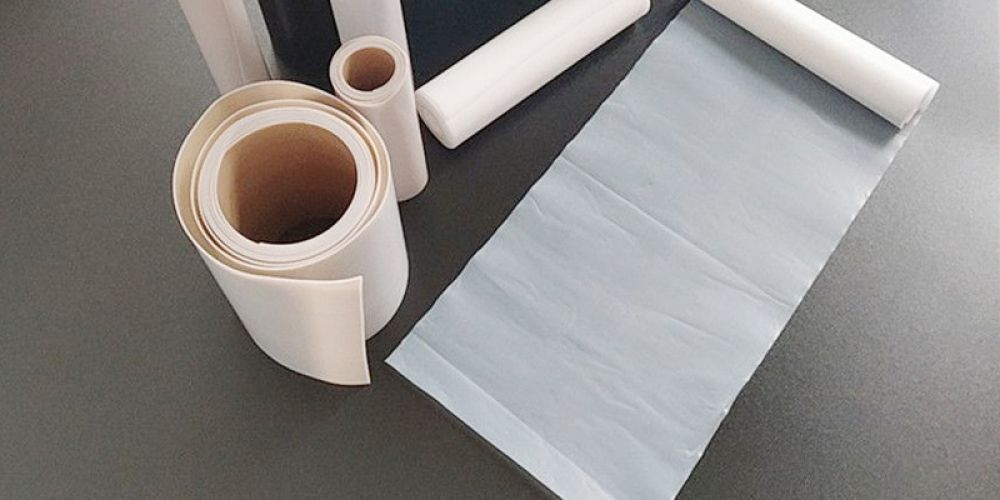
Microporous Structure Porosity exceeds 85%, with 1.4 billion micropores per square centimeter and pore sizes ranging…