
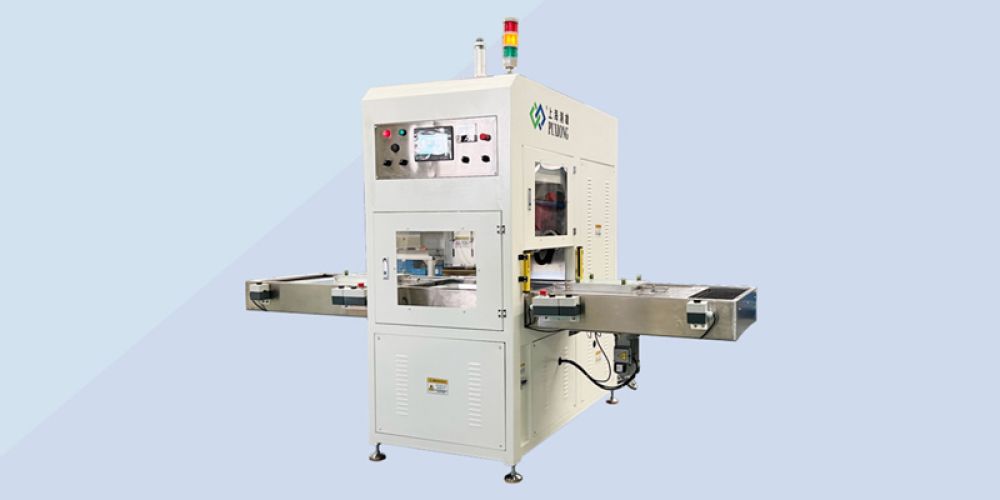
I. Equipment Definition and Core Principles
The high-frequency welding machine for composite film materials is an industrial device that utilizes a high-frequency electromagnetic field (typically at 27.12 MHz or 40.68 MHz) to induce molecular polarization and frictional heating within composite film materials, thereby achieving welding or embossing. Its core principles are:
High-Frequency Oscillation: An electron tube self-excited oscillator generates a high-frequency electric field, causing polarization of the dielectric material's molecules (e.g., PVC, TPU, EVA, etc.).
Molecular Frictional Heating: The rapid oscillation of the electric field causes molecules to move at high speeds and rub against each other, generating heat.
Pressure Welding: Under pressure from the mold, the material surfaces soften and fuse, creating a strong weld or embossed pattern.
II. Equipment Structure and Functional Features
Structural Components:
High-Frequency Oscillation System: Features a European-style square coaxial structure, delivering stable and powerful output.
Mold and Pressure System: Supports custom molds and is equipped with hydraulic or pneumatic pressure devices to ensure uniform welding.
Control System: Operated via a PLC touchscreen; allows for preset parameters regarding preheating, welding, and cooling times; supports electromagnetic counting.
Protection Devices:
Spark Protection: Utilizes the NL5557 spark suppression system; instantly cuts off output upon detecting a spark to prevent mold damage.
Current-Limiting Protection: Automatically cuts off high-frequency output if the output power becomes excessive, protecting the electron tube.
Emergency Stop: High-frequency output can be halted at any time during operation, returning the mold to its original position.
Functional Advantages:
High Efficiency and Energy Saving: No external heat source is required; heat is generated internally within the material, resulting in fast welding speeds (5–10 meters per minute).
Precise Control: Adjustable output power accommodates film materials of varying thicknesses (0.1 mm–10 mm).
High Automation: Supports dual-tray, sliding table, or rotary table configurations; simple operation reduces the need for manual intervention.
Eco-friendly and Safe: Complies with international radio interference standards (CISPR), ensuring minimal interference with external equipment.
III. Applicable Materials and Process Scope
Applicable Materials:
Plastics: PVC, TPU, EVA, PE, PP, APET, PETG, etc. Composite materials: Blends containing over 30% PVC, polyester base fabrics, PVDF/PVF-coated fabrics.
Specialty materials: Eco-friendly APET film, flexible cords, air-cushion membrane structures, etc.
Typical processes:
Membrane structure joining: Architectural membrane structures, tensile membranes, ETFE/PTFE membranes, spatial membrane structures, cable-membrane structures, etc.
Packaging sealing: Plastic film heat sealing, blister-to-card sealing, pharmaceutical/medical device packaging.
Automotive interiors: Seat covers, window seals, sun visors, automotive floor mat welding.
Medical supplies: Drainage bags, IV bags, surgical gloves, sterile dressing packaging.
Outdoor products: Awnings, carports, inflatable bouncers, swimming pools, tent welding.
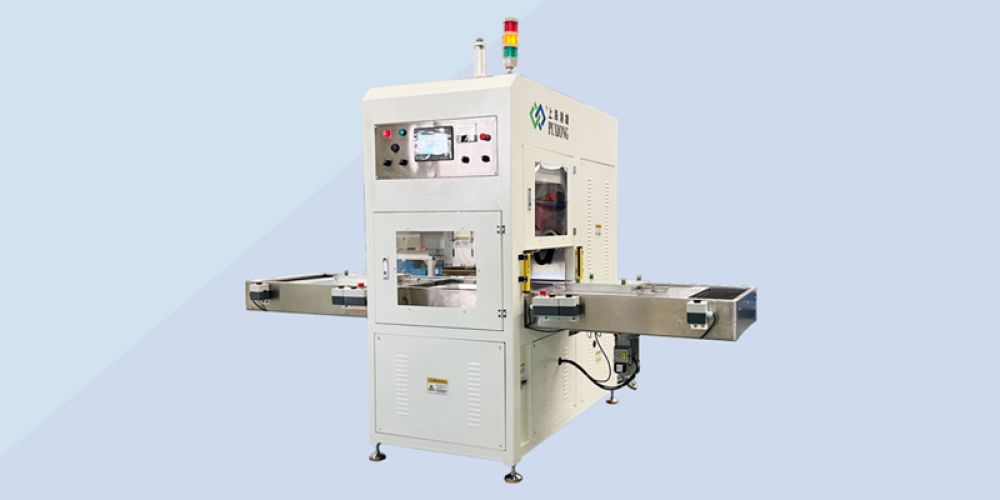
The core high-frequency (HF) welding technology of TPU film seamless welding machines utilizes high-frequency electromagnetic fields…
I. Equipment Definition and Core Principles The high-frequency welding machine for composite film materials is an…
.jpg)
High-frequency (HF) welding machines for composite membrane materials utilize high-frequency electromagnetic fields to generate heat through…
.jpg)
High-frequency welding machines for composite membrane materials achieve molecular-level fusion through high-frequency electromagnetic fields. Their applications…
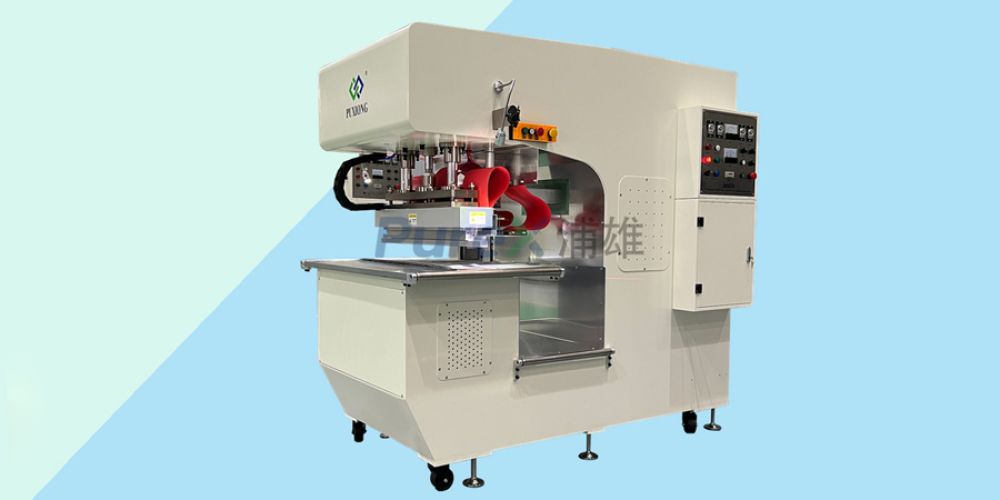
The structure of the high-frequency welding machine for composite membrane materials comprises core components, safety protection…
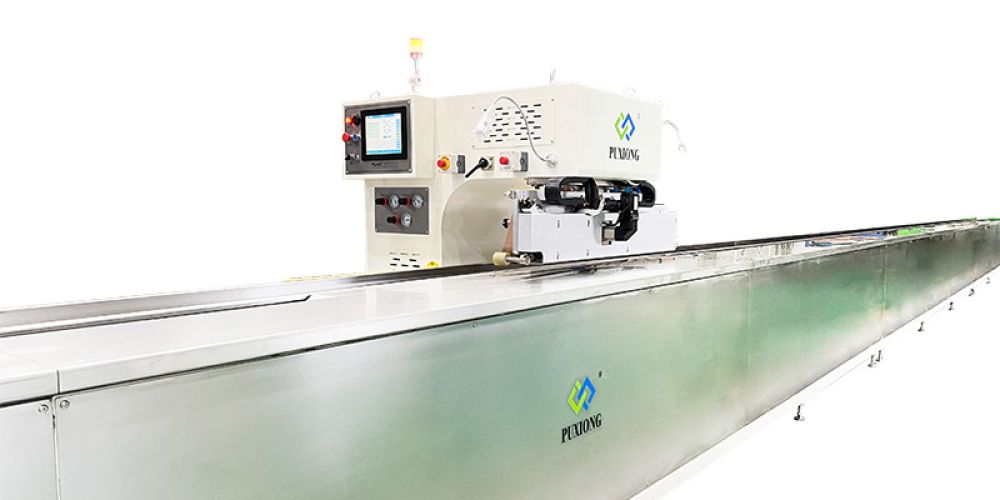
Membrane structure joining is achieved through advanced technologies such as high-frequency welding machines. It offers significant…