
.jpg)
In the field of architecture, various new membrane materials are widely used due to their unique properties. Below are some typical examples, along with their core advantages and application scenarios:
1. ETFE Membrane: Lightweight, Translucent "Soft Glass"
Core Characteristics:
High Light Transmittance: Single-layer transparent film achieves 95% light transmission—comparable to glass yet weighing only 1/100th as much—maximizing natural light use and reducing energy consumption for artificial lighting.
Energy Efficiency and Thermal Insulation: Three-layer printed film boasts an energy consumption index as low as 0.77; the light-blue film has a thermal conductivity of only 0.1 W/(m·℃)—below the upper limit for thermal insulation materials—significantly reducing cooling and heating loads.
Self-cleaning and Durability: A smooth surface allows rainwater to easily wash away dust, extending the manual cleaning cycle to four years; it offers excellent weather resistance, maintaining performance during long-term exposure to temperatures ranging from -200°C to 150°C.
Application Scenarios:
Iconic Architecture: Structures such as the Beijing Water Cube and the Eden Project in the UK utilize ETFE membranes for skylights and curtain walls, providing thermal insulation in winter and heat dissipation in summer, resulting in an overall energy saving of 9%.
Agricultural Greenhouses: Full-spectrum light transmission promotes plant growth, while thermal insulation properties reduce heating energy consumption.
Solar Encapsulation: Used as an encapsulation material for solar cells, enhancing the efficiency of clean energy utilization.
2. PVDF Membrane: An Eco-friendly Choice with Self-cleaning and Flame-retardant Properties
Core Characteristics:
Self-cleaning: Specially treated surfaces allow rainwater to wash away dust, maintaining the building's aesthetic appeal.
Flame Retardancy: Uses Class B1 flame-retardant materials, ensuring high safety standards.
Thermal Insulation and Energy Efficiency: Features high solar reflectance and heat dissipation rates alongside low thermal conductivity, reducing reliance on artificial lighting and lowering energy consumption.
Durability: Resistant to corrosion from strong acids and alkalis as well as aging; offers a service life of 15–20 years with no maintenance required.
Application Scenarios:
Air-supported Membrane Structures: Used for facilities such as stadiums and exhibition halls; air pressure supports the structure to create column-free spaces, thereby maximizing spatial utilization. Industrial Parks: Integrates with smart systems to regulate temperature and humidity and provide intelligent security, thereby reducing operating costs.
3. One-Way Vision Film: Balancing Privacy and Energy Efficiency
Key Features:
Privacy Protection: Allows light transmission in only one direction, safeguarding indoor privacy.
Energy Efficiency: Blocks UV rays and reduces the cooling load on air conditioning systems.
Material Advantages: Based on PVC or PET substrates; features flame retardancy, chemical corrosion resistance, and lightweight properties.
Application Scenarios:
Construction: Used for interior partitions, doors, windows, and glass curtain walls.
Transportation: Applied to windows in subways, taxis, buses, and other vehicles.
Agricultural Greenhouses: Regulates sunlight exposure to promote crop growth.
4. Sound-Absorbing Membrane Materials: Innovative Materials for Acoustic Optimization
Key Features:
Sound Absorption and Isolation: Utilizes special weaving techniques and coating treatments to effectively absorb sound waves.
Structural Compatibility: Can be combined with fiberglass mesh to enhance sound absorption performance.
Application Scenarios:
Acoustic Air-Supported Venues: Uses patented acoustic membranes and optimized spatial design to deliver theater-quality sound; suitable for concerts, plays, and more.
Multifunctional Buildings: Enables flexible layouts for rapid conversion into spaces for academic lectures, art exhibitions, and other events.
5. Architectural Thermal Insulation Film: An Energy-Saving Barrier for Year-Round Comfort
Key Features:
High-Efficiency Thermal Insulation: Blocks external heat and UV rays, reducing the frequency of air conditioning use.
Eco-Friendly & Energy-Saving: Lowers energy consumption and cuts operating costs for businesses.
Application Scenarios:
Residential and Commercial Buildings: Used for thermal insulation retrofitting on windows and glass curtain walls.
Public Facilities: Such as airports and exhibition centers; enhances indoor comfort.
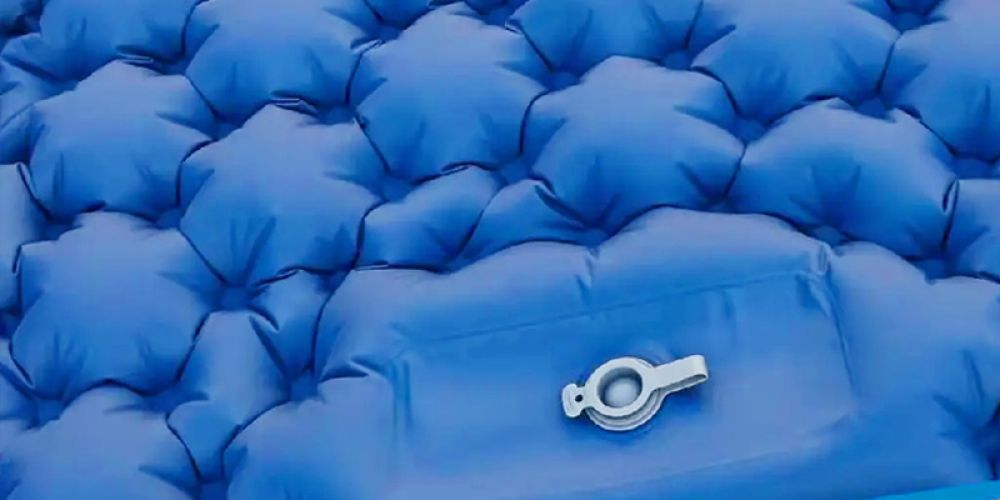
In the sealing of inflatable structures, the heat-sealing process fuses material contact surfaces through high-temperature heating…
In the field of architecture, various new membrane materials are widely used due to their unique…
.jpg)
In the construction field, the heat-sealing production methods for different new membrane materials vary depending on…
.jpg)
In the construction field, the heat-sealing of PVDF membrane materials is mainly achieved through processes such…
.jpg)
Due to its unique molecular structure and excellent overall performance, PVDF (polyvinylidene fluoride) membrane material is…
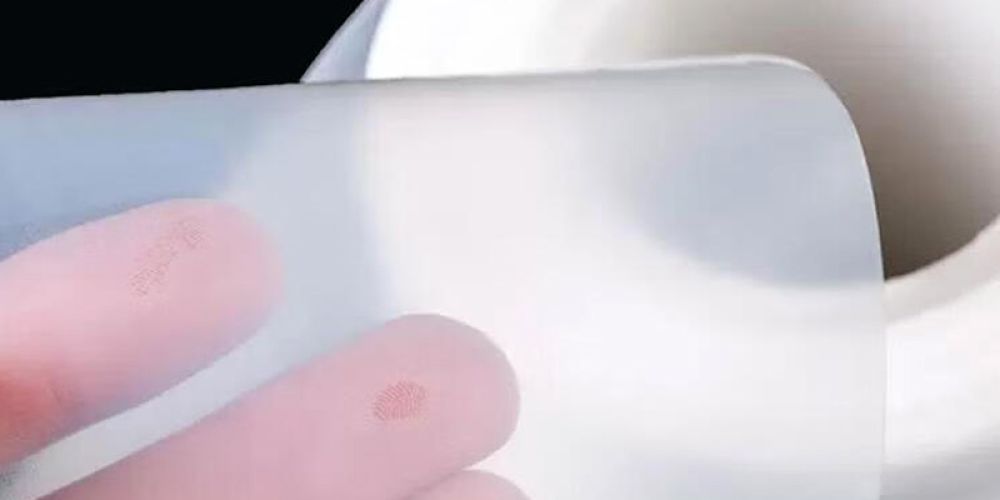
Chemical Inertness: Virtually unreactive with almost all chemical substances; resistant to acids, alkalis, and organic solvents…